

 Spec. Dt. Gökcan ErtaşOrthodontist
 Dt. Sena KırcaDentist
 Dt. Sevinç Cansu KayıranDentist
 Assoc. Prof. Dr. Sezin ÖzerPediatric Dentist
 Spec. Dt. Sude Yıldırım BolatSpecialist in Periodontology

Teeth clenching (grinding) is the unconscious clenching or grinding of the teeth, usually caused by factors such as stress, sleep disorders, or certain everyday habits. Common signs include jaw and head pain as well as wear on the teeth. Treatment approaches are planned individually and include professional methods such as night guards recommended by your dentist, stress-management techniques, special jaw exercises, and, at times, resolving the underlying problem. An accurate diagnosis and an effective treatment plan are very important, especially to avoid clenching during sleep and to prevent the problem from progressing.
What Exactly Is Teeth Clenching, and Why Should It Be Taken Seriously?
Teeth clenching is when a person unconsciously clenches or grinds their teeth with excessive force, or holds the jaw tightly in a certain position. This is more than a simple habit; it is a parafunctional activity, meaning a movement outside of normal function, that can lead to various health problems. So why should it be taken seriously? Because this constant, uncontrolled pressure can eventually cause wear, cracks, and even fractures in the teeth. The jaw joint (TMJ) and chewing muscles are also affected, which can lead to pain, tenderness, and limited movement. It can also make you wake up tired in the morning and cause headaches and facial pain during the day. Because many people are unaware of the problem, diagnosis and treatment can be delayed, which allows the problems to grow.
What Types of Teeth Clenching Are There?
Teeth clenching is generally divided into two main categories depending on when it occurs.
Clenching During Sleep (Sleep Bruxism): As the name suggests, this occurs while you are deeply asleep. Most of the time the person is unaware of it; usually a spouse or family member sleeping nearby notices the problem from the grinding sounds.
Clenching While Awake (Awake Bruxism): This is the type of clenching that happens during the day while you are awake. It occurs mostly during intense emotional moments such as stress, anxiety, or anger, or while doing tasks that require deep concentration.
In addition to these two main types, a distinction is also made according to whether the clenching is linked to an underlying cause:
Primary Clenching: This category applies when there is no other clear medical or dental problem that could explain the clenching.
Secondary Clenching: This occurs as a result of a side effect of certain medications, an existing neurological or psychiatric condition, substance use, or another medical condition.
What Causes Teeth Clenching, and Who Is at Greater Risk?
No single cause can be held responsible for teeth clenching; it usually develops when several factors come together. The most prominent of these are:
Psychological Factors: Emotional states such as stress, anxiety, worry, tension, and even suppressed anger are among the most important triggers of clenching.
Sleep Patterns and Problems: It is closely related to sleep quality. Sleep disorders, especially obstructive sleep apnea, increase the risk of clenching.
Lifestyle Habits: Excessive caffeine consumption, alcohol and tobacco use, and some recreational substances can trigger clenching.
Medications: Some antidepressants (SSRI group), antipsychotics, and stimulant medications used to treat ADHD can also cause clenching.
Genetic Predisposition: It may be seen more often in people with a family history of teeth clenching.
Other Medical Conditions: Some neurological and systemic diseases, such as Parkinson's disease, dementia, reflux, and epilepsy, have been associated with teeth clenching.
Bite Structure of the Teeth: Occlusion problems may be a secondary factor.
How Can I Tell If I Clench My Teeth?
The signs of teeth clenching can vary from person to person, and sometimes a person may not even be aware of the problem. However, there are some common signs to watch for:
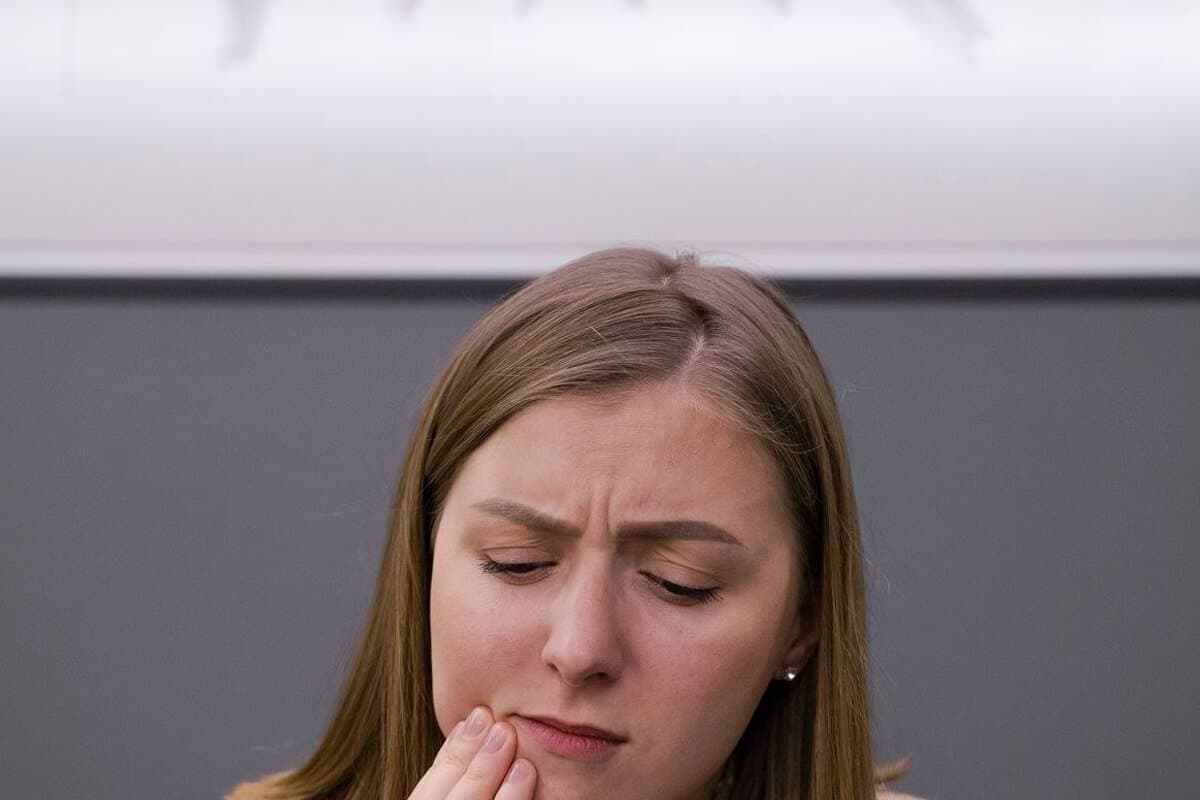
Pain, fatigue, or tenderness in the jaw, face, or temples, especially in the morning
General aching or sensitivity in the teeth
Teeth grinding or rubbing sounds during sleep, noticed by your bed partner
Headaches felt in the temples or head
Pain, popping, clicking sounds, or a catching sensation in the jaw joint
Difficulty or limitation in opening and closing the mouth
Tooth imprints on the edges of the tongue or the inner surface of the cheeks
Tension and pain in the neck and shoulder muscles
Ear pain or a feeling of fullness with no explained cause
How Is Teeth Clenching Detected During a Dental Examination?
During a detailed examination of the mouth and jaw, a dentist can identify some objective findings of teeth clenching:
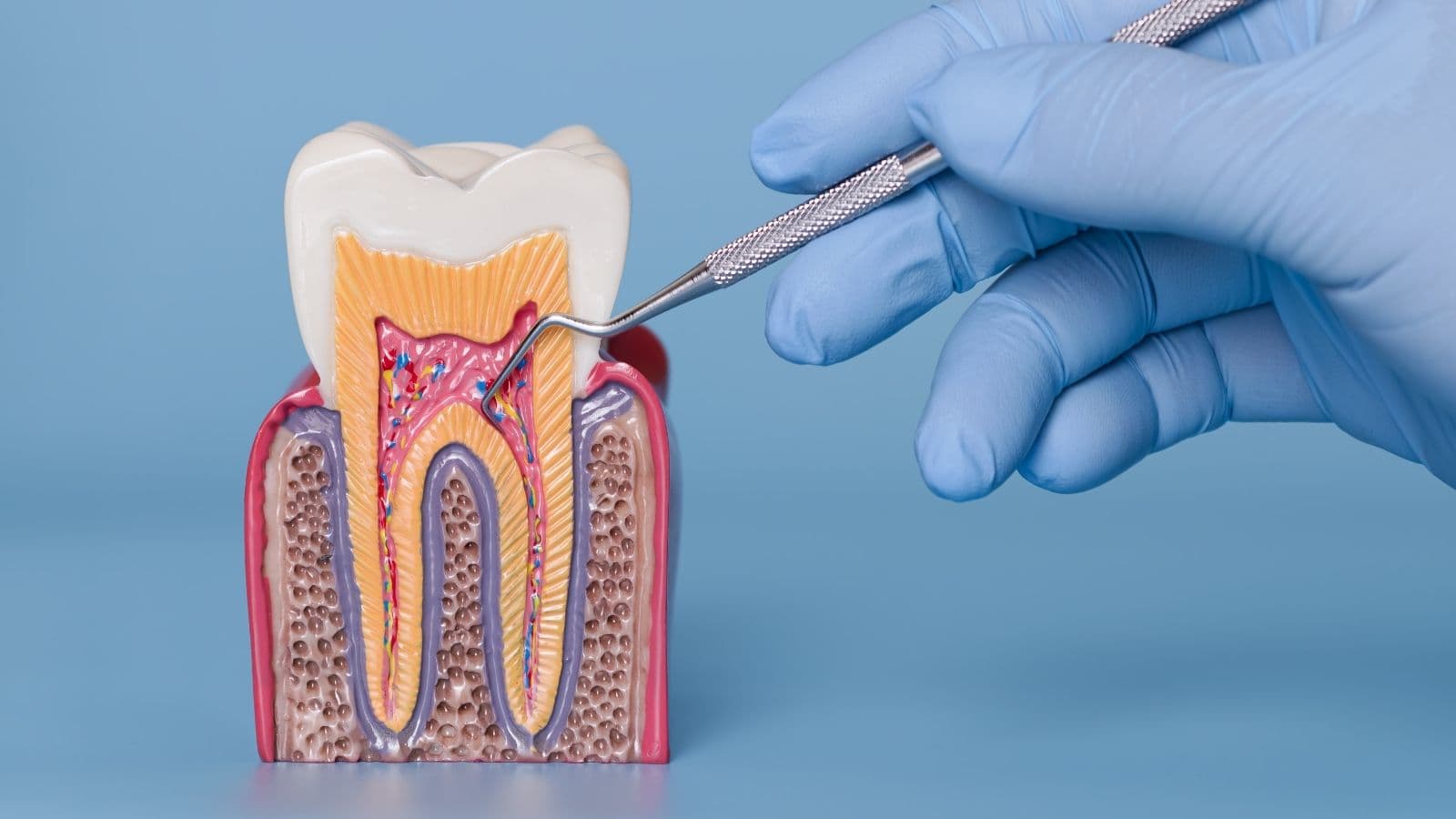
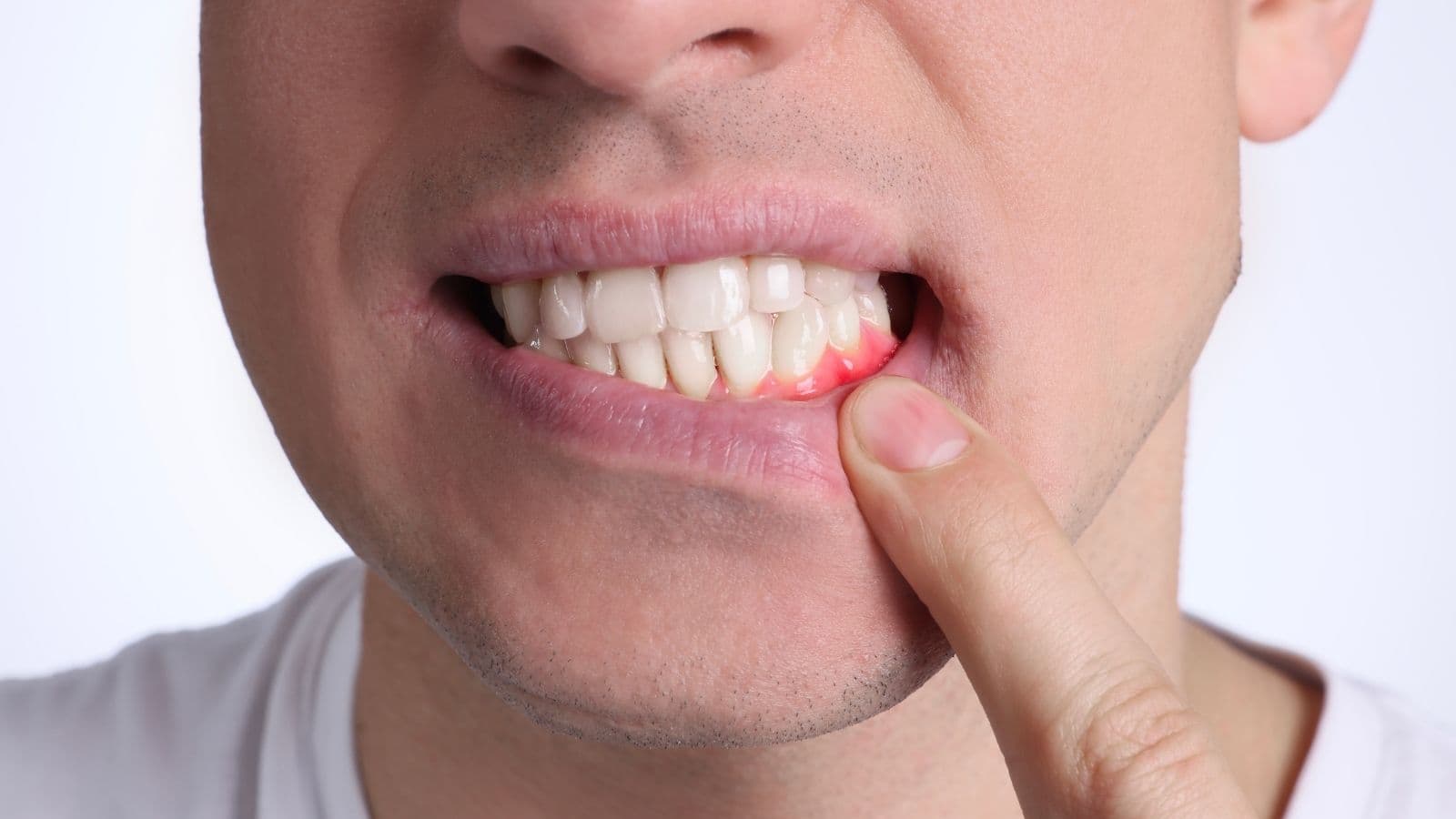
Wear (attrition) on the chewing surfaces of the teeth, enamel loss, and shortening of tooth height
Cracks or small fractures in the teeth or fillings
Tenderness, stiffness, or hypertrophy of the chewing muscles
Tenderness in the jaw joint and clicking or crepitus sounds
Limitation in how wide the mouth can open
A whitish, raised line on the inner surface of the cheek (linea alba)
How Is Teeth Clenching Definitively Diagnosed?
Teeth clenching is usually diagnosed based on symptoms, medical and dental history, and a clinical examination. For a definitive diagnosis of sleep bruxism, if needed, a sleep test called polysomnography (PSG) may be performed; however, this test is rarely necessary in practice.
What Methods Are Used to Treat Teeth Clenching?
The treatment plan is shaped according to the severity of the condition and personal needs:
Occlusal Splints (Night Guards): They prevent the teeth from rubbing against each other and reduce the load on the jaw muscles and joint.
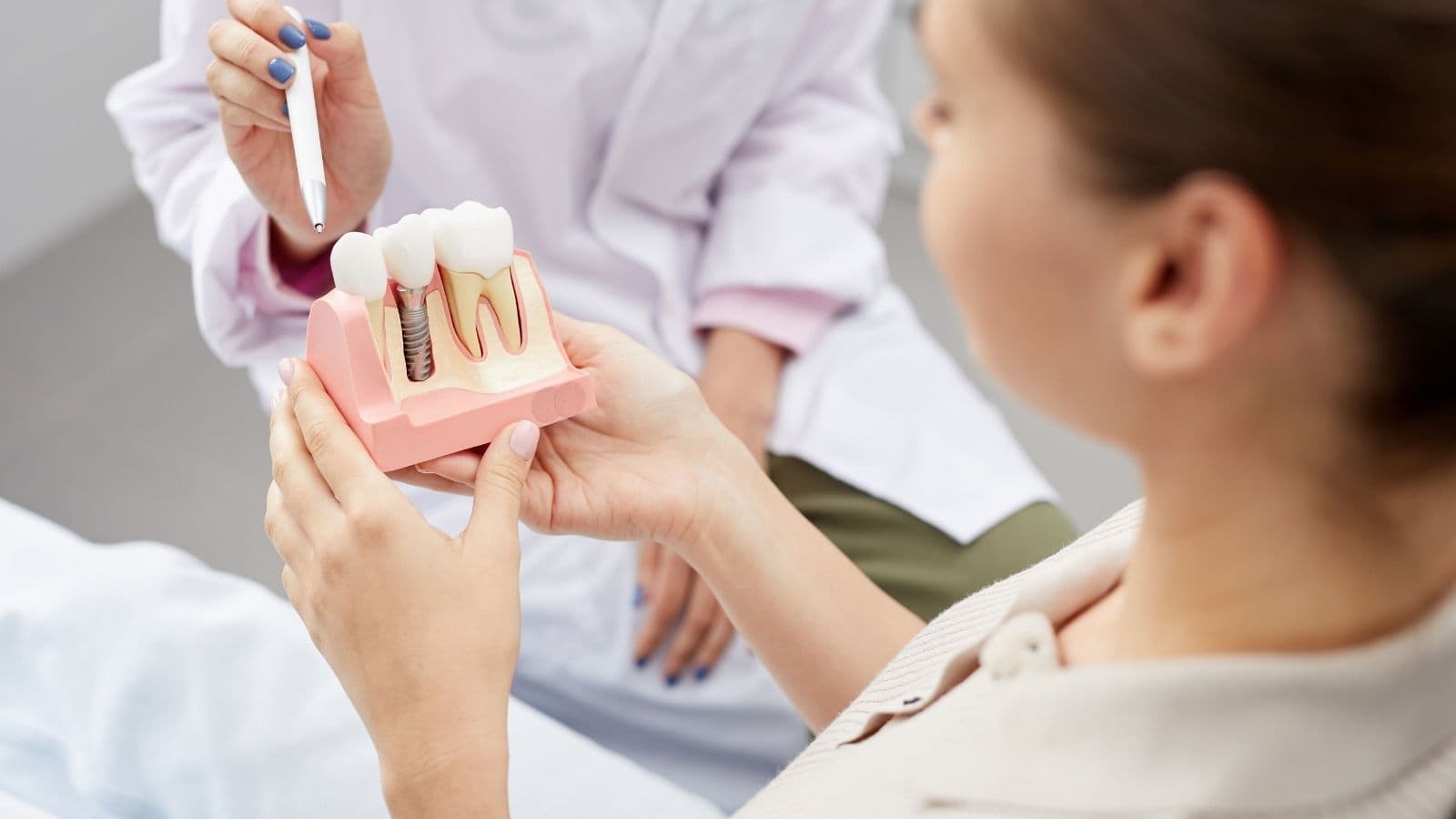
Restorative Dental Treatments: Procedures such as fillings and crowns may be applied to repair damage caused by bruxism.
Stress Management and Relaxation Techniques: Meditation, yoga, breathing exercises, and physical activity.
Biofeedback: It teaches you to control responses such as muscle tension.
Physiotherapy and Jaw Exercises: They reduce pain and tension in the jaw muscles and increase range of motion.
Cognitive Behavioral Therapy (CBT): It teaches replacing the clenching behavior with healthy habits.
Pharmacological Treatments: Muscle relaxants, pain relievers, or, in some cases, Botox injections.
Lifestyle Changes: Reducing caffeine and alcohol consumption, quitting smoking, and adopting regular sleep habits.
Treatment of Underlying Conditions: If there is a medical condition such as sleep apnea, it should be treated first.
What Other Problems Can Teeth Clenching Cause If Left Untreated?
Wear of tooth enamel, shortening of the teeth, and cosmetic deterioration
Cracks and fractures in the teeth, and tooth loss
Excessive sensitivity
Damage to dental restorations
Pain and functional disorders in the jaw joint
Chronic head, face, and neck pain
Excessive growth of the chewing muscles (hypertrophy)
Poorer sleep quality, fatigue, and difficulty concentrating
When Should You See a Specialist for Teeth Clenching, and What Can Be Done to Prevent It?
It is important to see a dentist in the following situations:
If you experience one or more of the signs
If you have noticed wear or damage on your teeth
If the pain affects your quality of daily life
A constant feeling of fatigue in the jaw or face
If you have been told that you grind your teeth during sleep
To prevent it:
Learn to manage stress
Exercise regularly
Limit caffeine and alcohol consumption
If you smoke, try to quit
Follow relaxing routines before bed
Do not neglect your regular dental checkups