 Spec. Dt. Gökcan ErtaşOrthodontist
 Dt. Sena KırcaDentist
 Dt. Sevinç Cansu KayıranDentist
 Assoc. Prof. Dr. Sezin ÖzerPediatric Dentist
 Spec. Dt. Sude Yıldırım BolatSpecialist in Periodontology
Teeth clenching (bruxism) is a jaw function disorder that occurs when the jaw muscles contract involuntarily, causing the teeth to be clenched or ground together. It is most often associated with stress, sleep disorders, bite (jaw closure) problems, and neurological factors. When it continues for a long time, it can lead to clinical problems such as tooth wear, jaw pain, and headaches.
Teeth grinding during sleep is generally defined as nocturnal bruxism, and most people experience it without noticing. Jaw fatigue in the morning, tooth sensitivity, headache, and pain around the ear are common symptoms. In advanced cases, wear of the tooth enamel, tooth fractures, and temporomandibular joint problems can develop.
The stress-related daytime clenching habit is strongly associated with psychological tension, an intense work pace, and anxiety. Clenching the teeth unconsciously during the day causes constant tension in the jaw muscles. This can contribute to joint sounds in the jaw, pain in the facial muscles, and, over time, limited jaw movement.
In the treatment of bruxism, identifying the underlying cause is the fundamental approach, and the treatment plan is organized in a multidisciplinary way. Using a night guard prevents wear of the teeth while reducing the load on the jaw muscles. Stress management, physiotherapy applications, orthodontic evaluation, and, when necessary, botulinum toxin injection are among the methods used in treatment.
What Is Teeth Clenching?
Teeth clenching is called bruxism in medical terms. This condition is characterized by involuntary contraction of the jaw muscles. Bruxism occurs in two main types:
Sleep Bruxism (Nocturnal Bruxism): This is the most common type. The person clenches or grinds their teeth while asleep. The person is usually unaware of it, and it may be noticed by a partner while they sleep.
Awake Bruxism (Diurnal Bruxism): The person clenches their teeth while awake, especially in moments of stress or intense concentration. This is usually milder and easier to notice.
Bruxism not only damages the teeth but can also put pressure on the jaw joint (temporomandibular joint - TMJ), causing pain and functional disorders. The effects of this condition are often underestimated, but it can have serious consequences when left untreated.
Causes of Teeth Clenching
Teeth clenching does not have a single cause; it usually arises from several factors coming together. Understanding these causes is critically important for determining the right treatment method.
Psychological Factors
Stress is one of the most common triggers of teeth clenching. The pressures of daily life, work stress, exam anxiety, family problems, or traumatic events cause a buildup of tension in a person's subconscious. This tension can show itself as involuntary contraction of the jaw muscles during sleep or while awake. Especially during sleep, while the body develops different mechanisms to cope with stress, contraction of the jaw muscles may be one of these mechanisms.
In bruxism of psychological origin, the person usually notices that the tendency to clench increases during periods when they are emotionally strained. This can be seen as a side effect of the body's stress-coping mechanism. Psychological conditions such as anxiety disorders, depression, and obsessive-compulsive disorder can also increase the risk of bruxism.
Genetic Predisposition
Some studies show that teeth clenching may have a genetic component. People with a family history of bruxism are more likely to have this condition. This genetic predisposition may affect how an individual copes with stress or the neural control of the jaw muscles. Rather than being a cause on its own, genetic factors may combine with other risk factors to set the stage for bruxism.
Abnormalities in Tooth and Jaw Structure
Problems in tooth and jaw structure, such as bite disorders (malocclusion), missing teeth, or improperly placed fillings, can also cause teeth clenching. The body may overuse the jaw muscles to compensate for these misalignments. For example, when the upper and lower jaws are not perfectly aligned, the jaw muscles make more effort to achieve closure. This can become even more pronounced unconsciously, especially during sleep.
Abnormalities in the structure of the jaw joint (TMJ) or degenerative changes such as arthritis in the joint can also lead to bruxism. Such structural problems can limit jaw movement or cause pain, causing the muscles to work harder as compensation.
Lifestyle and Habits
Some lifestyle habits and substances consumed can also trigger or worsen teeth clenching.
Caffeine and Alcohol Consumption: Excessive caffeine (coffee, tea, energy drinks) and alcohol consumption can increase the tendency to clench by disrupting sleep quality and stimulating the nervous system. Caffeinated drinks consumed in the evening in particular can make it harder to fall asleep and cause more clenching during sleep.
Smoking: Smoking raises the risk of bruxism by stimulating the nervous system and increasing muscle tension.
Sleep Apnea and Other Sleep Disorders: Sleep disorders that cause pauses in breathing, such as sleep apnea, are closely related to teeth clenching. The body may use jaw movements and clenching as a reaction to keep the airway open.
Certain Medications: Some antidepressants (especially the SSRI group) and antipsychotic medications can cause teeth clenching as a side effect. If you use such medications and have a clenching problem, you should definitely consult your physician.
Neurological Factors
Although rarely, some neurological conditions such as Parkinson's disease, Huntington's disease, or Tourette syndrome can be associated with teeth clenching. In these cases, abnormalities in the areas of the brain related to motor control can lead to involuntary muscle movements and therefore teeth clenching. In such cases, bruxism appears as a symptom of the underlying neurological disease.
Symptoms of Teeth Clenching
The symptoms of teeth clenching usually begin insidiously and become more noticeable over time. Being aware of these symptoms is vitally important for early diagnosis and treatment.
Pain in the Mouth and Jaw Area
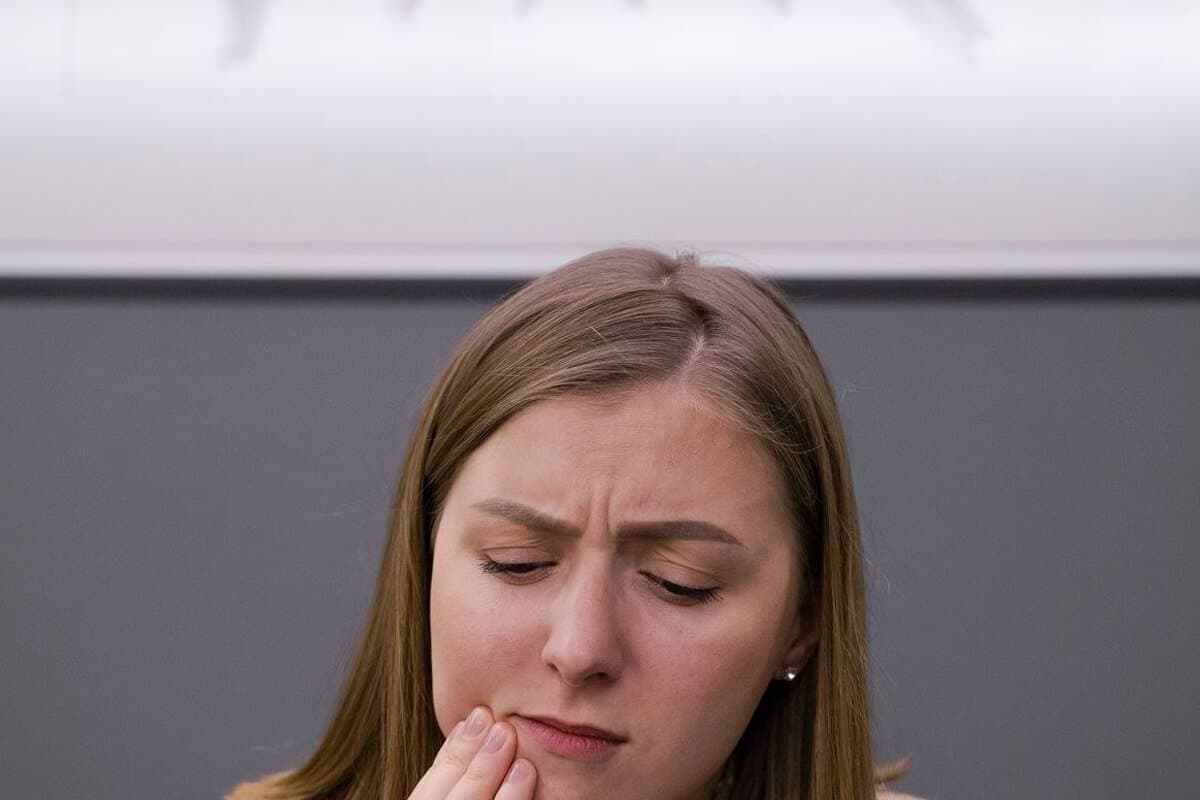
The most common symptom of teeth clenching is pain felt in the jaw, face, and neck muscles. This pain is usually more severe in the morning and may decrease during the day. Tenderness in the jaw joint (TMJ), clicking sounds, or a catching sensation are also among the common symptoms.
Tenderness in the Jaw Muscles: When you touch your jaw muscles with your fingers, you may feel pain or tension.
Headache: Tension-type headaches, especially those that throb at the temples, are a result of teeth clenching. These headaches can often be confused with migraines.
Ear Pain: Because the jaw joint is very close to the ear, pain caused by bruxism can spread to the ears. This can be confused with other problems such as an ear infection.
Neck and Shoulder Pain: Tension in the jaw muscles can also be reflected in the neck and shoulder muscles, causing pain in these areas as well.
Damage to the Teeth
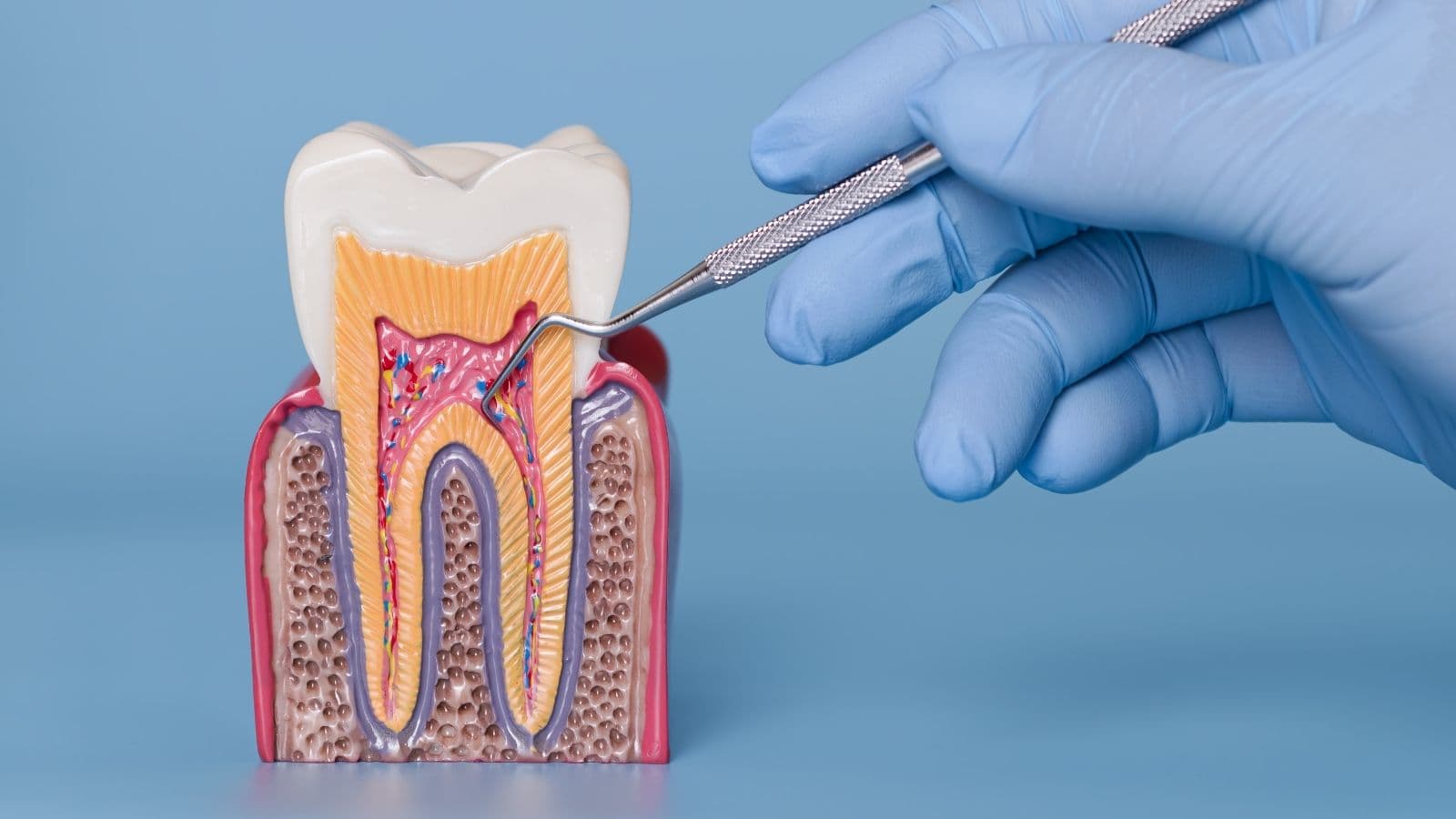
Teeth clenching directly damages the teeth. Constant and strong pressure can lead to wear on the tooth surface, thinning of the enamel layer, and even fractures in the teeth.
Tooth Wear (Attrition): Flattening and wear are seen on the chewing surfaces of the teeth. The teeth may look more yellow because the enamel layer thins and makes the dentin layer beneath it more visible.
Cracks and Fractures in the Teeth: Small cracks or fractures can form, especially in the front teeth or in teeth with fillings.
Tooth Sensitivity: Thinning of the enamel layer can make the teeth more sensitive to hot, cold, or sweet foods.
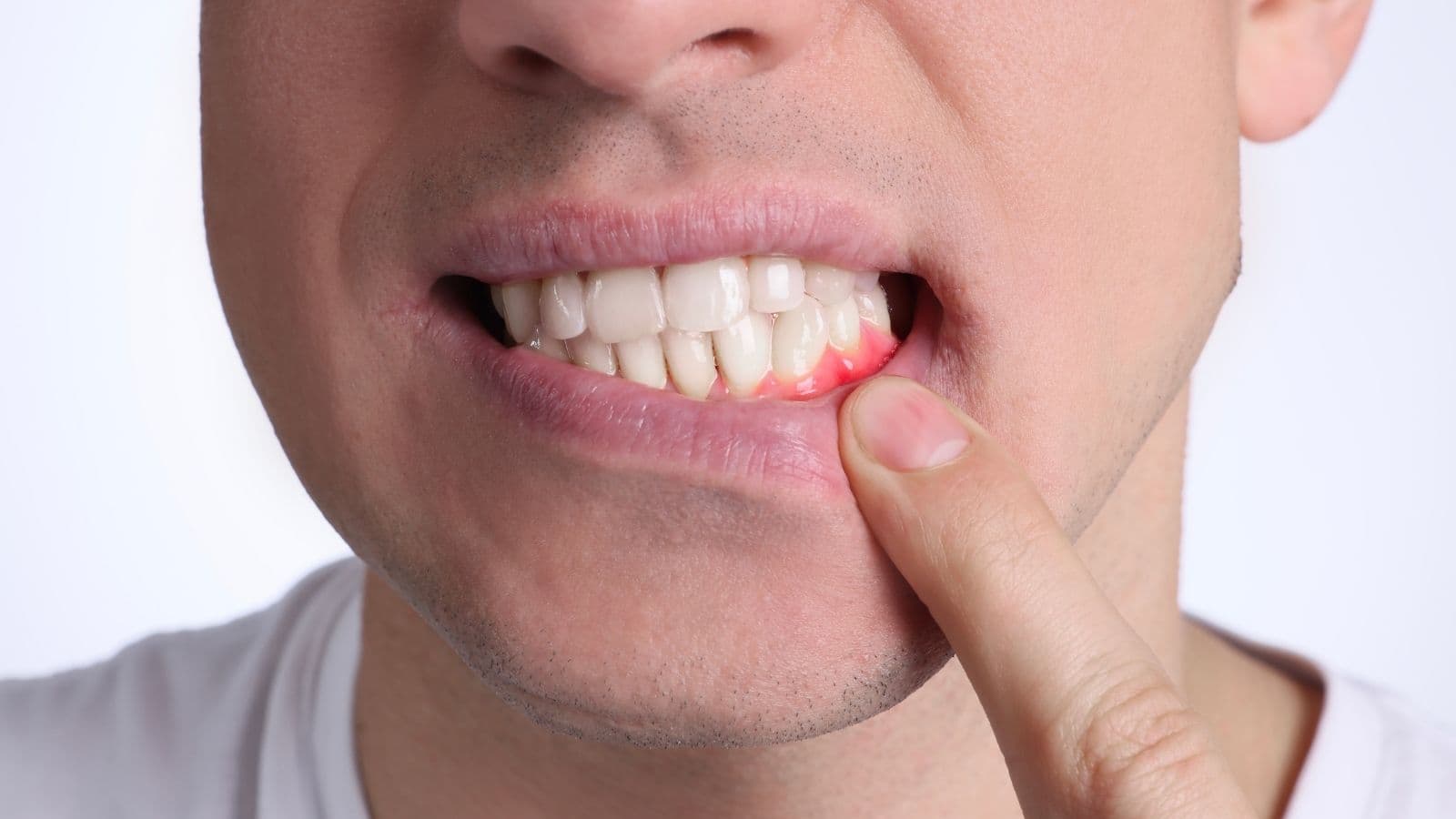
Gum Recession: Excessive pressure can cause the gums to recede from the tooth roots.
Other Symptoms
There are other, lesser-known but potentially important symptoms of teeth clenching:
Scratches or Scar Marks Inside the Cheeks: When clenching the teeth, the tongue or cheeks rubbing against the teeth can create white lines or small sores inside the cheeks.
Indentations on the Edges of the Tongue: Indentations carrying the marks of the teeth may be seen on the edges of the tongue.
Reduced Sleep Quality: Teeth clenching can lower sleep quality by causing discomfort during sleep. The person may wake up without feeling rested.
Sounds When Opening and Closing the Mouth: Clicking, popping, or grinding sounds may be heard from the jaw joint.
Dry Mouth: In some cases of bruxism, dry mouth may also accompany it.
Treatment Methods for Teeth Clenching
Treatment of teeth clenching is planned individually according to the underlying causes and the severity of the symptoms. The main goals of treatment are to stop the damage to the teeth, reduce pain, and relax the jaw muscles.
Oral Protective Appliances (Splints)
One of the most commonly used methods in the treatment of teeth clenching is night guards, or splints. These clear or hard acrylic appliances are custom made for the upper or lower teeth.
Purpose: The main purpose of night guards is to prevent wear of the teeth by keeping the teeth from touching each other directly. They also help relieve pain by preventing excessive contraction of the jaw muscles and reducing pressure on the jaw joint.
Types:
Hard Guards: Usually applied to the upper jaw and more durable.
Soft or Flexible Guards: Usually applied to the lower jaw and may be more comfortable. Bimaxillary Guards: Guards worn on both the upper and lower jaws at the same time.
Use: They are generally used during sleep. They are custom produced in a laboratory after your dentist takes an impression of your mouth.
Effectiveness: They are very effective in preventing tooth wear. Their effects on pain and muscle tension may vary from person to person.
Behavioral Therapies and Stress Management
Considering the psychological causes of teeth clenching, behavioral therapies and stress management are of great importance.
Cognitive Behavioral Therapy (CBT): Focuses on developing coping mechanisms for stress. It helps the person recognize stressful situations, change their responses to them, and develop healthier coping strategies.
Relaxation Techniques: Techniques such as meditation, deep breathing exercises, yoga, and progressive muscle relaxation can help reduce overall tension and relax the jaw muscles.
Biofeedback: In this technique, the body's physiological responses (such as muscle activity) are monitored, and the person learns to control these responses consciously. For example, an audible warning can be given when activity in the jaw muscles increases, prompting the person to relax their jaw.
Mindfulness Exercises: Noticing the tendency to clench during the day and consciously relaxing the jaw (a position in which the teeth do not touch and the lips are lightly closed) can help break the habit.
Medication Therapy
In some cases, medication therapy can be used to relieve the pain and muscle spasms caused by teeth clenching.
Muscle Relaxants: In short-term use, they can help reduce spasms and tension in the jaw muscles.
Pain Relievers: Pain relievers such as non-steroidal anti-inflammatory drugs (NSAIDs) or paracetamol can be used to relieve tooth and jaw pain.
Botox Injections: In severe cases of bruxism, botulinum toxin (Botox) can be injected into overactive muscles such as the masseter (the main jaw muscle). Botox temporarily relaxes the muscles, reducing the force of clenching and relieving pain. Its effect usually lasts 3-6 months and may need to be repeated.
Dental Procedures
If the cause of teeth clenching is a disorder in the tooth or jaw structure, dental interventions may be necessary.
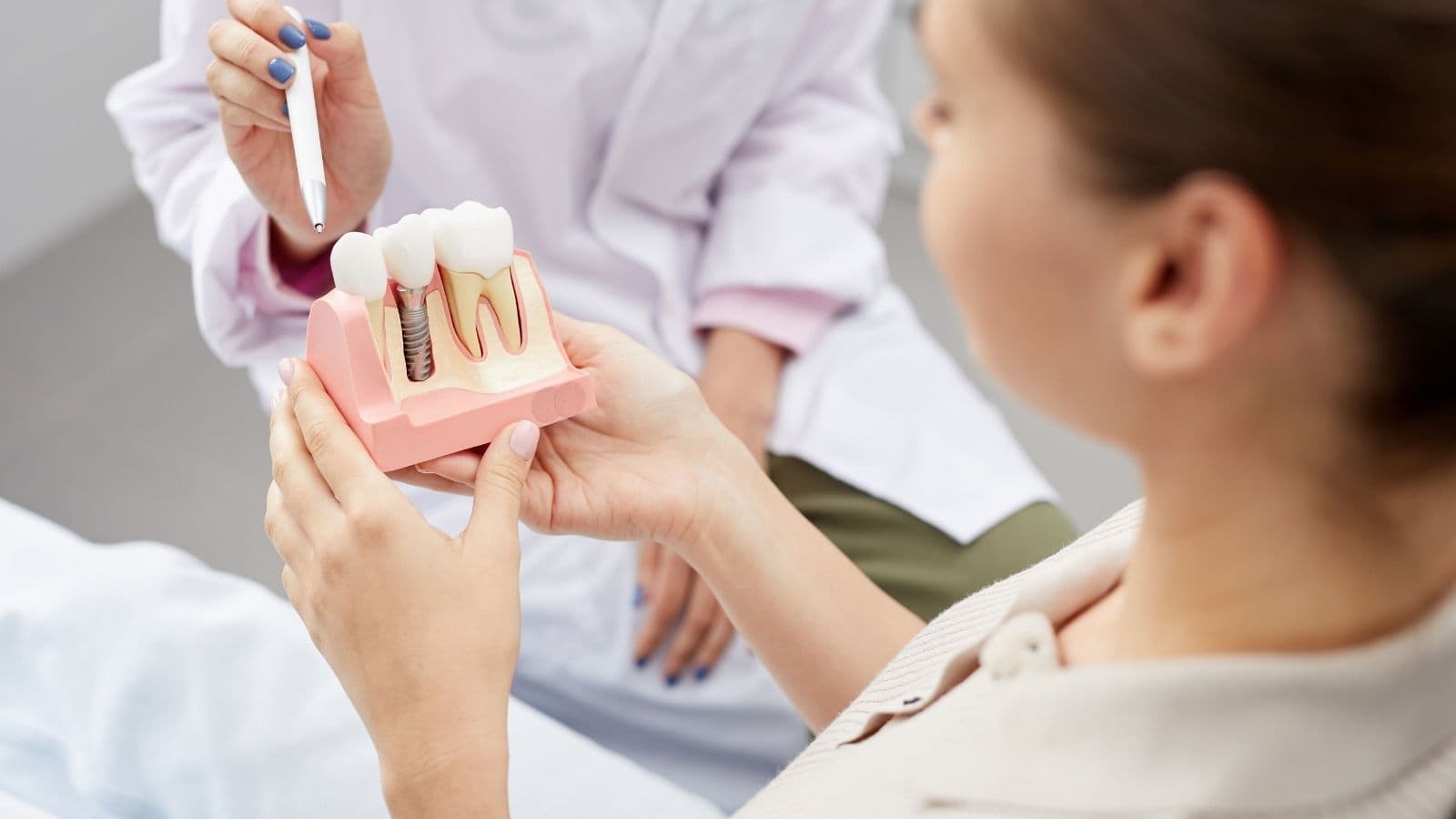
Restoration of Worn Tooth Surfaces: The surfaces of worn teeth can be restored with composite fillings or porcelain crowns.
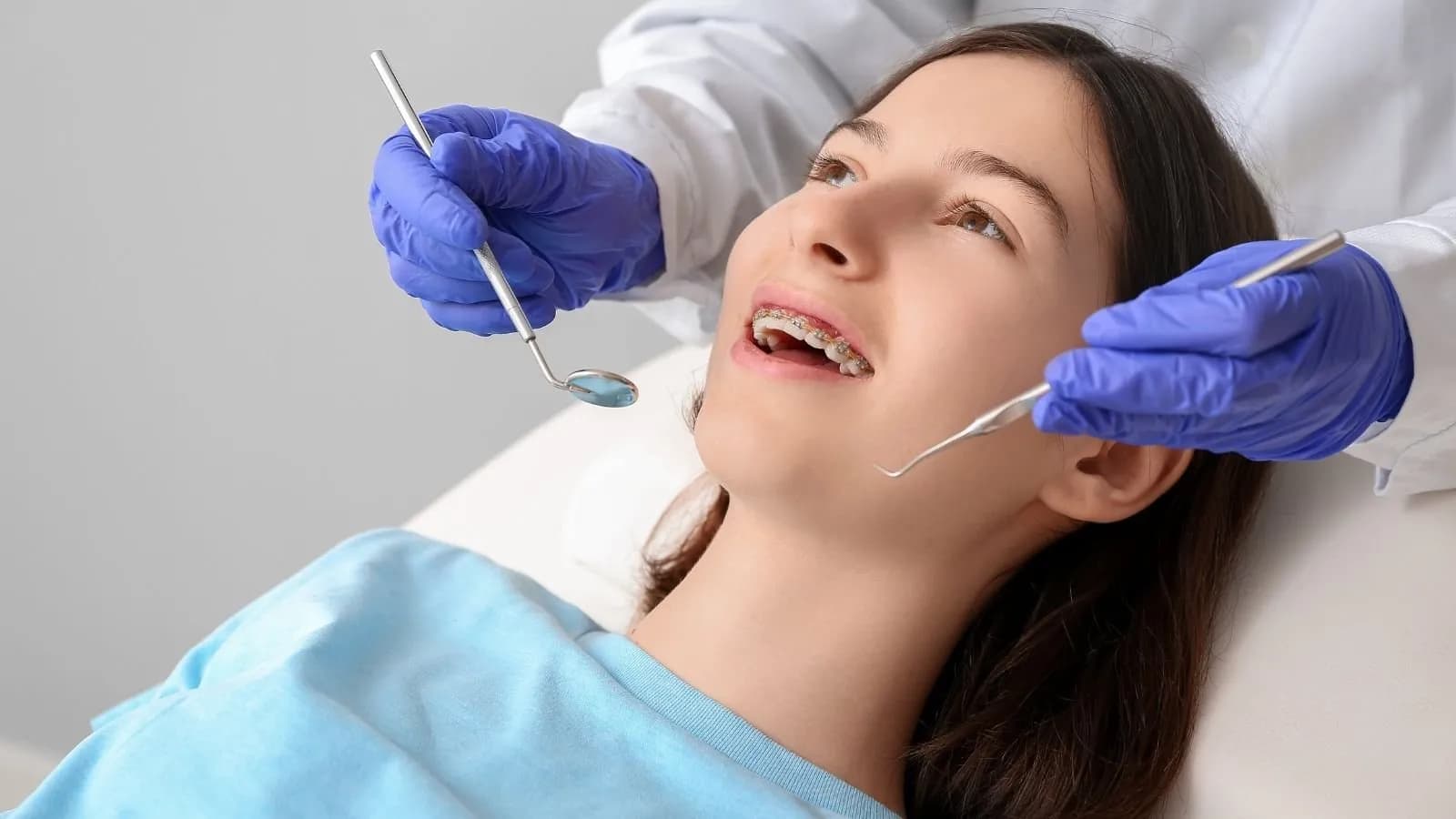
Orthodontic Treatment: If there are bite disorders (malocclusion), the teeth can be aligned with orthodontic treatments such as braces or clear aligners.
Occlusal Adjustments: If there are improperly made fillings, crowns, or bridges, they may need to be reshaped or adjusted. This procedure allows the teeth to make contact in a more balanced way.
Physical Therapy and Massage
Physical therapy can help reduce tension in the jaw and neck muscles.
Massage: Gentle massage applied to the jaw, neck, and shoulder muscles can relieve muscle tension and pain.
Stretching Exercises: Special jaw and neck stretching exercises demonstrated by a physiotherapist can increase the flexibility of the muscles.
Hot/Cold Applications: Applying a hot or cold compress to painful areas can help reduce inflammation and relax the muscles.