




Dental Prime
TR Book an Appointment

What Is Bruxism?

Bruxism is a habit of rhythmic teeth clenching and grinding that usually occurs during sleep.

What Is Bruxism?

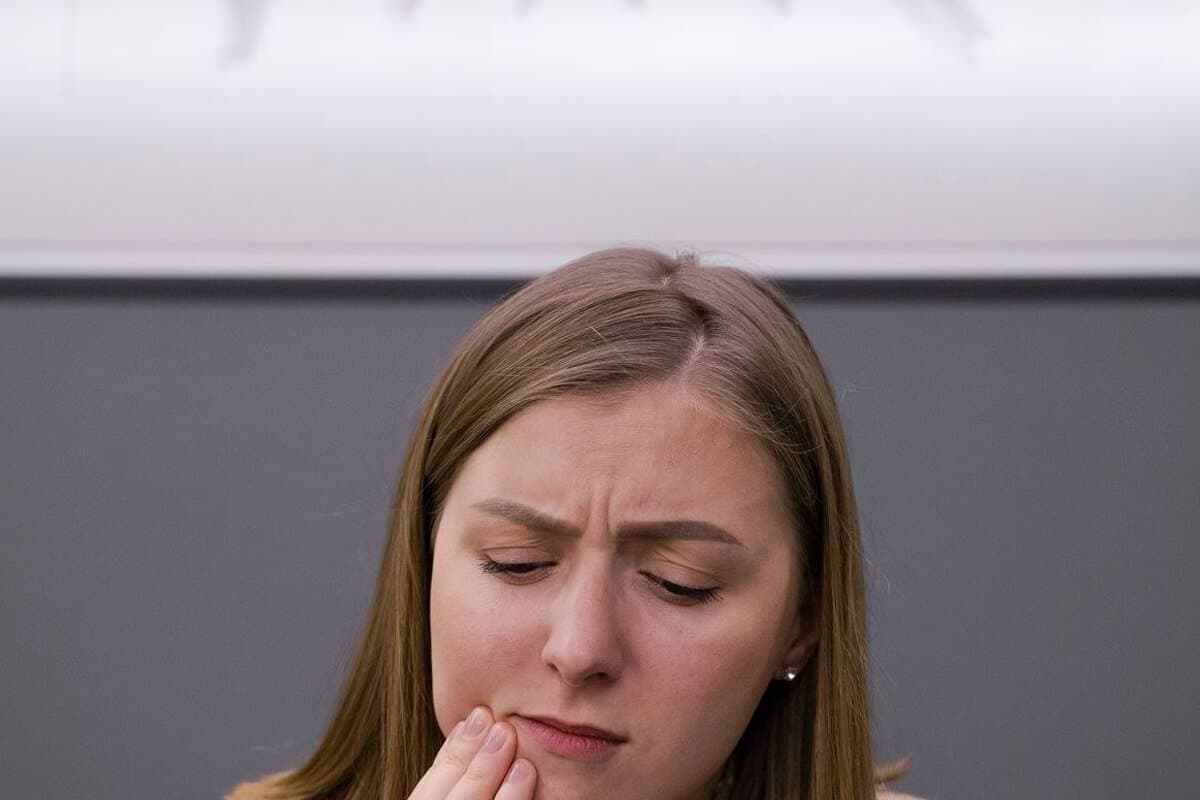
Bruxism is a habit of rhythmic teeth clenching and grinding that usually occurs during sleep. Bruxism causes head and neck pain, restricted movement in the jaw joint, and pain and spasm in the chewing muscles. Grinding the teeth leads to wear on the tooth surfaces. In the morning, people experience jaw muscle pain, fatigue, headaches and jaw locking.

Its cause has not been fully determined. Sleep disorders, jaw closure problems, stress and allergies may contribute. Genetics and the medications used may also have an effect.

The goal of bruxism treatment is to protect the teeth, reduce grinding, relieve pain and improve sleep quality. Bruxism arises from a combination of many factors. Treatment planning is therefore multifaceted. The contributing factors are identified for each person and the right treatment methods are chosen.

In bruxism treatment:

  • Various appliances, such as intraoral appliances (hard and soft guards, occlusal splints, etc.)

  • Medication

  • Botox applications

  • Physical therapy applications

  • Behavioral therapies are used.

    In addition, risk factors such as smoking, alcohol use, caffeine and certain medications should be avoided during bruxism treatment. Patients should start treatment before the teeth and the jaw joint are damaged.
Frequently Asked Questions

Can teeth clenching be treated permanently?

Bruxism is generally not a condition that disappears completely; it is a process that is managed. The goal is to reduce the clenching habit, protect the teeth and keep symptoms under control. When a night guard and behavioral methods are used together, symptoms can decrease noticeably. Because the picture may fluctuate during stressful periods, regular follow-up is recommended.

Is it necessary to wear the night guard every night?

Dentists most often recommend using the guard regularly every night. Regular use keeps your teeth continuously protected from clenching forces at night and helps your mouth get used to the guard more quickly. Wearing it only occasionally interrupts that protection. It is best to determine how often you use it according to your dentist's recommendation for your individual case.

How can I tell if I clench my teeth?

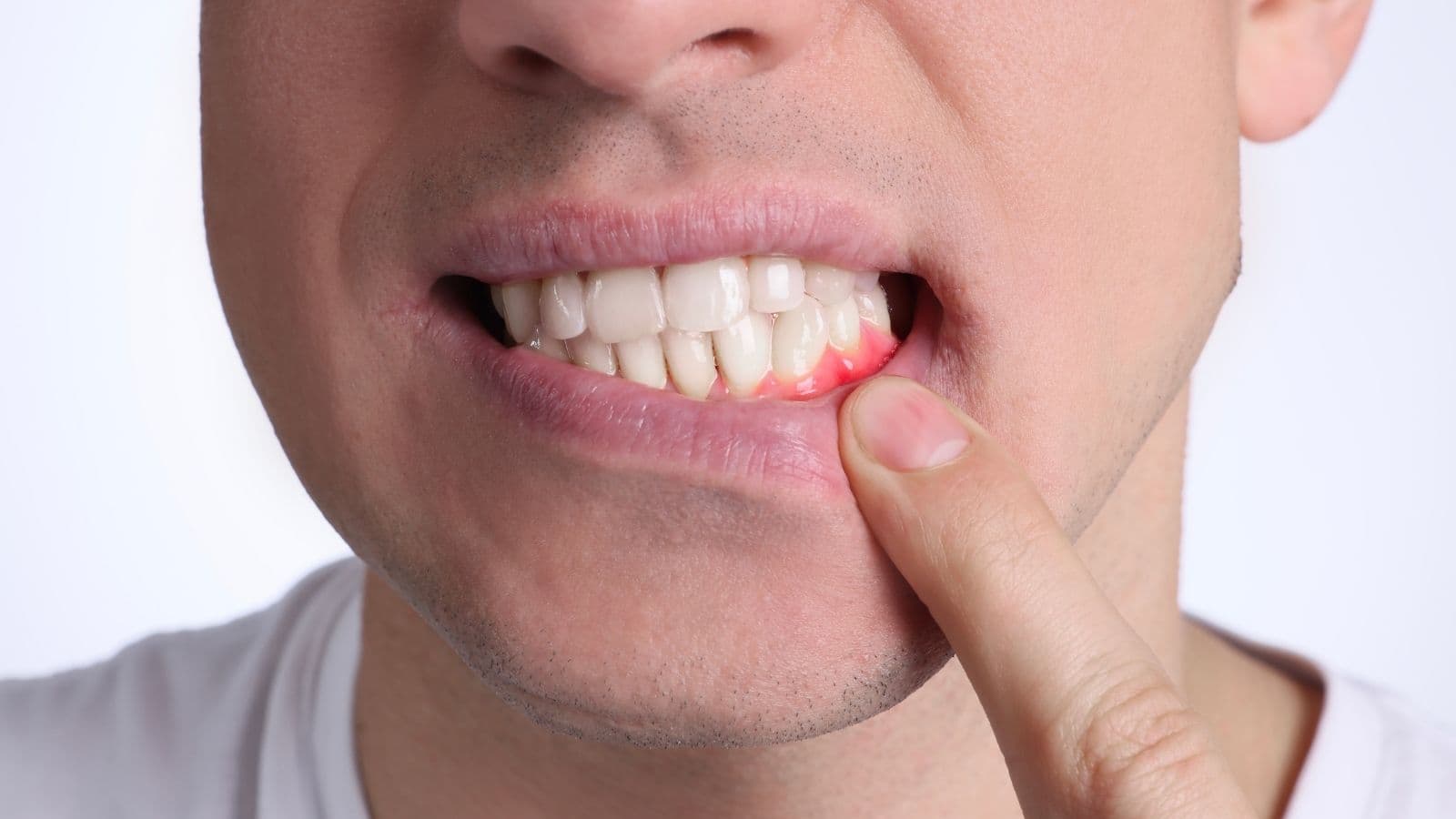
Teeth clenching often goes unnoticed. Jaw fatigue in the morning, headaches, tooth sensitivity, wear marks on the teeth, or chewing marks on the inside of the cheek are typical clues. A grinding sound heard by your partner is also a strong sign. If you experience one or more of these symptoms, it is helpful to clarify the situation with an examination.

About this contentSources and health informationSources

You can review the professional guidelines and patient information resources related to this page below.

  1. BruxismAccessed: 5 September 2026

Medical Information

This content is for general information. It does not replace an examination, diagnosis or individual treatment plan. Consult your dentist for diagnosis and treatment.

Contact our clinic to arrange a convenient appointment time.

Book an Appointment
Call the ClinicContact and Directions