


 Spec. Dt. Gökcan ErtaşOrthodontist
 Dt. Sena KırcaDentist
 Dt. Sevinç Cansu KayıranDentist
 Assoc. Prof. Dr. Sezin ÖzerPediatric Dentist
 Spec. Dt. Sude Yıldırım BolatSpecialist in Periodontology
Zirconia crowns can be placed on the front teeth alone. In the front area, where aesthetic requirements are high, zirconia-based restorations are preferred to improve tooth color and shape. Aesthetic harmony can be achieved by crowning only the teeth in the visible area, without touching the back teeth. In front tooth aesthetics, zirconia crowns offer an advantage thanks to their high light transmission and optical properties similar to natural tooth enamel. Their metal-free structure supports gum compatibility and does not create a gray reflection. These features contribute to successful and natural results, especially in smile design. Zirconia crowns applied only to the front area are planned for situations such as crowding, discoloration, shape defects, and the renewal of old restorations. Before treatment, a detailed clinical examination and radiological evaluation are performed. The work is carried out following the principle of minimal preparation, preserving tooth tissue. Planning zirconia crowns for the front teeth one by one takes into account the patient's bite relationship, gum level, and facial aesthetics. When there is a suitable indication, it offers a long-lasting and biocompatible restorative solution. Regular oral hygiene and check-ups increase the success of treatment.
What Is a Zirconia Crown and Why Is It So Popular?
A zirconia crown is a very durable and aesthetic type of dental restoration placed over a tooth that matches the natural color and texture of the tooth. It is basically made from a ceramic material called zirconium dioxide. This material is incredibly strong and biocompatible, and is used even in the aerospace industry. There are many reasons behind the popularity of zirconia crowns. Chief among them is that they have a light transmission very close to natural tooth enamel. This feature makes crowns look not artificial but extremely natural. The gray reflections seen in metal-supported porcelain crowns never occur with zirconia. In addition, thanks to their high durability, they resist chewing forces, which offers a long-lasting solution. The fact that they do not cause allergic reactions is also an important advantage. The way this material combines aesthetics and function in dentistry has made it an attractive option for many patients.
Physical and Aesthetic Properties of Zirconia
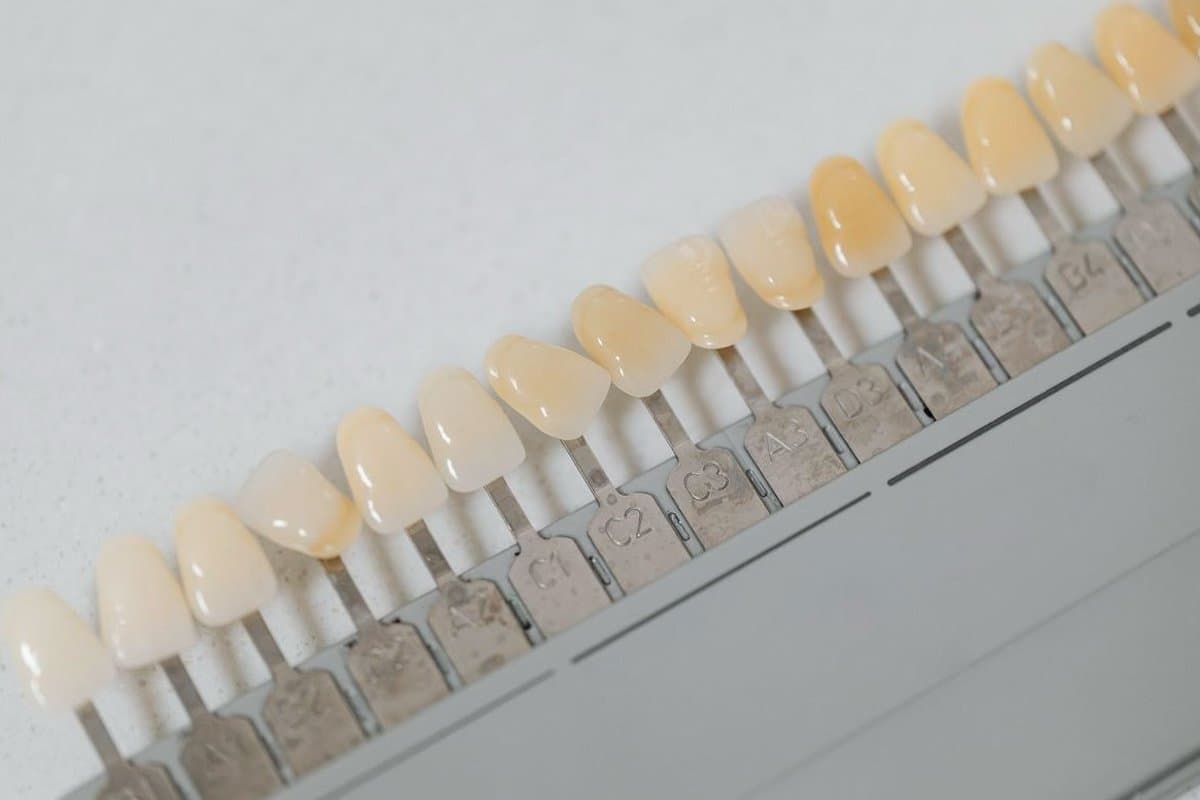
The secret of zirconia's success lies in its unique physical and aesthetic properties. Physically, zirconium dioxide is an incredibly hard material. This hardness minimizes the risk of breaking and cracking while allowing the tooth to keep its natural chewing function. The biocompatibility of the material is also remarkable; that is, it is not rejected by the body, and the likelihood of causing allergic reactions is almost nonexistent. This is a great comfort, especially for people with sensitive gums. From an aesthetic point of view, zirconia transmits light just as natural teeth do. This translucency gives the crown a deep and lifelike appearance. The opacity and lifelessness seen in metal-supported crowns are never a problem with zirconia. Its color stability is also quite high; that is, it does not tend to change color or stain over time. Dentists can produce zirconia in different shades, so a perfect match with the patient's own tooth color can be achieved. This combination makes zirconia a superior material both functionally and aesthetically.
Comparison with Metal-Supported Porcelain
As the popularity of zirconia crowns has grown, comparing them with traditional metal-supported porcelain crowns has become inevitable. The basic difference between these two materials lies in the supporting structure. In metal-supported crowns, there is a metal framework on which the porcelain is placed. While this metal gives the crown strength, it can also cause some aesthetic problems. If the gums recede over time, the metal edge may show as a gray line. In addition, the opacity of the metal limits the natural light transmission of the porcelain, which can make the crown look more artificial. Zirconia crowns use an entirely ceramic zirconia core instead of a metal framework. This offers a more natural look, better light transmission, and a safe option for patients with metal allergies. Zirconia is more durable than metal-supported porcelain and is less likely to break. However, the cost of zirconia crowns can generally be higher than that of metal-supported porcelain. Dentists guide patients in determining the most suitable type of restoration based on the patient's specific needs, aesthetic expectations, and budget. This comparison makes it clearer why zirconia stands out, especially where aesthetic concerns are high.
Can Zirconia Crowns Be Placed Only on Front Teeth?
Yes, zirconia crowns can be placed on the front teeth alone, and this is quite a common practice. The front teeth are the most visible part of our smile aesthetics. For this reason, in patients with aesthetic problems such as discoloration, shape defects, fractures, or gaps between teeth, excellent results can be achieved by applying zirconia crowns to only these teeth. Zirconia's ability to imitate the appearance of natural teeth makes it an ideal material for front tooth aesthetics. Placing a zirconia crown on a single tooth or a few front teeth blends perfectly with the other teeth and creates an extremely natural and attractive smile. This is done if the patient's overall oral health is suitable and the dentist's evaluation is positive. This means there is no need to crown all the teeth, which can make the treatment process more focused and often less costly.
Situations Where Aesthetic Concerns Come First
Aesthetic flaws in the front teeth can negatively affect a person's self-confidence and social interactions. Discolored, cracked, worn, or slightly crowded front teeth can make people hesitant to smile. This is exactly where placing zirconia crowns on only the front teeth is an extremely effective solution for resolving aesthetic concerns. Zirconia's light transmission and compatibility with natural tooth color make the crowns look so realistic that they cannot be told apart from the other teeth. Especially if the color or shape of a single front tooth is off, perfect aesthetic harmony can be achieved by placing a zirconia crown on just that tooth. The dentist determines the most suitable shade and shape by taking into account the patient's smile line, the color of the other teeth, and facial features. By focusing only on the problem area, this approach can completely transform a person's smile. In such cases, the zirconia crown acts as an aesthetic touch-up, adding elegance and vitality to a person's smile.
Which Teeth Count as “Front Teeth”?
In dentistry, the term “front teeth” generally refers to the teeth that are clearly visible in the smile line and are the most critical aesthetically. This definition generally includes the following:
Incisors: The teeth at the front of the mouth that bite and cut. There are eight incisors in total, four in the upper jaw and four in the lower jaw. They are the most central and most visible parts of the smile.
Canines: The pointed teeth next to the incisors. They tear and rip food. There are four canines in total, two in the upper jaw and two in the lower jaw. They also play an important role in the smile line and are often chosen for crowns or other aesthetic treatments.
Teeth other than these (premolars and molars) are generally considered back teeth and play a more important role in chewing function. Because aesthetic concerns are usually concentrated on the front teeth, zirconia crown treatments also often focus on this area. Of course, in order to ensure the overall aesthetics of the patient's smile, crowns may sometimes be needed on the premolars as well, but when we say “only the front teeth,” what is usually meant is the incisors and canines. This distinction is important in treatment planning and in setting expectations.
Can a Zirconia Crown Be Placed on a Single Tooth?
A zirconia crown can absolutely be placed on a single tooth. In fact, this is one of the most common scenarios. For example, a single front tooth that has been broken by trauma, or that has had root canal treatment and changed color, can be restored with a zirconia crown to match the neighboring teeth. Dentists design the single tooth to be crowned specifically according to the color, shape, and size of the other teeth. The goal is to make the restored tooth look natural, as if it had never been treated. This is a great way to preserve aesthetic harmony, especially in the front teeth. In single-tooth crowns, the quality of the material and the precision of the dentist are critically important. When done correctly, a single zirconia crown gives a result that cannot be told apart from the other teeth and adds aesthetic richness to a person's smile. It can also be considered an alternative to large-scale treatments covering the whole mouth.
The Zirconia Crown Process: Step by Step
The zirconia crown process consists of several carefully carried out steps. Each step is very important in making sure the final result is perfect both aesthetically and functionally. This process usually requires several appointments and can vary depending on the patient's tooth structure, the scope of the crowns, and the laboratory's working time. The goal is to obtain a durable, long-lasting restoration that imitates the natural tooth as closely as possible. Patience and good communication between the dentist and the patient play a key role in completing this process successfully.
Initial Examination and Planning
Before starting any dental treatment, a detailed initial examination and treatment planning are carried out. At this stage, the dentist evaluates the patient's overall oral health. The condition of the teeth in the mouth, the health of the gums, the jaw structure, and the patient's aesthetic expectations are all taken into account. Imaging methods such as X-rays are used to examine the roots of the teeth and the surrounding tissues. If zirconia crowns are to be placed on the front teeth only, details such as which teeth will be treated, how healthy the existing teeth are, and the color and shape of the crowns are determined. The patient's expectations are listened to carefully and realistic goals are set. This planning stage forms the foundation for the success of the treatment. When deciding which teeth will be crowned, not only cosmetic but also functional requirements are taken into account. This first consultation also lays the foundation for trust between the patient and the dentist.
Preparing the Teeth (Tooth Reduction)
Once the treatment plan is clear, the next step is preparing the teeth to be crowned. This procedure is necessary to ensure that the crown placed over the teeth fits perfectly and to prevent decay under the crown. The dentist administers local anesthesia to make the procedure painless. Then, a small amount of material is removed from the outer surface of the teeth in a controlled manner. The amount removed varies depending on the type of crown to be used and the current condition of the tooth. For zirconia crowns, a thinner reduction is usually enough, because zirconia itself is a thin and durable material. This reduction creates space around the tooth where the crown can sit comfortably. Care is taken not to damage the living tissues of the tooth during the procedure. The prepared teeth are protected for a temporary period with temporary fillings or temporary crowns. This prevents sensitivity and maintains the aesthetic appearance.
Taking Impressions and the Laboratory Process
After the teeth are prepared, precise impressions are taken. These impressions ensure that the zirconia crown is made in the laboratory according to the specifications set by the dentist. In traditional methods, the dentist uses special impression materials to make a detailed mold of the teeth and the surrounding teeth. Today, digital impression systems (intraoral scanners) are used more and more. These scanners create three-dimensional digital models of the teeth, offering a faster and more comfortable impression process. The impressions or digital models are sent to the dental laboratory where the zirconia crown will be made. In the laboratory, technicians use these impressions to mill zirconia blocks with computer-aided design (CAD) and computer-aided manufacturing (CAM) systems. The color, shape, and size of the crown are precisely adjusted according to the specifications given by the dentist. This process ensures that each crown is made specifically for the patient's mouth.
Temporary Crowns and the Next Appointment
The prepared teeth may be sensitive, and temporary crowns are placed to maintain the aesthetic appearance for a short time. These temporary crowns are usually made of an acrylic-like material and are bonded onto the teeth. While temporary crowns help the patient keep up normal eating and speaking functions, they protect the prepared tooth surfaces from external factors. They also offer a preview that meets the patient's aesthetic expectations while the permanent crowns are being prepared in the laboratory. When the permanent zirconia crowns are ready, the patient is given the next appointment. At this appointment, the temporary crowns are removed and the try-in stage begins. Temporary crowns serve as both a functional and aesthetic bridge during treatment. This stage allows the patient to stay comfortable throughout treatment.
Try-In and Permanent Cementation
When the permanent zirconia crowns arrive from the laboratory, the dentist first performs a try-in. At this stage, the crowns are placed in the mouth, and their fit with the patient's smile line and the other teeth, their color, and their shape are checked. If any small adjustment is needed, the dentist can make it at this stage. The patient can also voice their own expectations at this try-in. Once everything is fully approved, the crowns are permanently bonded using special adhesives. This bonding allows the crown to bond firmly with the tooth and ensures long-lasting use. After bonding, the patient is given oral hygiene and care recommendations. This final step is the moment when zirconia crown treatment is complete and the patient gets their new smile. The try-in stage is critically important for maximizing patient satisfaction.
Advantages and Disadvantages of Zirconia Crowns on Front Teeth Only
As with every treatment method, placing zirconia crowns on only the front teeth has its own advantages and disadvantages. Understanding this balance will help the patient make an informed decision. Although the aesthetic and functional strengths of zirconia make it attractive to many patients, its potential disadvantages should not be overlooked either. It is important to evaluate these factors in detail before starting treatment. Advantages Placing zirconia crowns on only the front teeth has many important advantages. These advantages make the treatment attractive, especially for patients with high aesthetic concerns:
Superior Aesthetic Appearance: Zirconia transmits light like natural teeth, giving an extremely lifelike and natural look. This prevents an artificial appearance on the front teeth. The gray reflections or opacity seen in metal-supported porcelain do not occur with zirconia. This is a big plus, especially for teeth that stand out in the smile line.
High Biocompatibility: Zirconia is a material that is extremely compatible with the body. The risk of allergic reaction is almost nonexistent. This makes it an ideal option for people with sensitive gums or metal allergies. Darkening or inflammation that can occur at the gum margins is seen less often than with metal-supported crowns.
Durability and Strength: Zirconia is the strongest of the ceramics. It is quite resistant to chewing forces, which reduces the risk of breaking or cracking. Although front teeth are important aesthetically, they also perform basic functions such as biting and cutting. Zirconia can easily fulfill these functions.
Gum Health: Zirconia crowns form a more compatible relationship with the gums. Problems such as gum recession and darkening that metal margins can cause are not seen with zirconia, which helps maintain gum health. The gums look pinker and healthier.
Less Tooth Reduction Required: In some cases, less tooth tissue may need to be removed for zirconia crowns than for metal-supported porcelain. This allows more of the natural tooth structure to be preserved, which is important for dental health in the long run.
Color Stability: Zirconia does not change color or stain over time. This keeps its aesthetic appearance for many years. It shows high resistance to staining substances such as coffee, tea, and cigarettes.
Disadvantages As with every treatment method, placing zirconia crowns on only the front teeth has some potential disadvantages. Knowing them is important for managing expectations correctly before treatment:
Cost: Zirconia crowns are generally more expensive than metal-supported porcelain crowns. This is because of the cost of the material used, the complexity of the manufacturing process, and the need for advanced technology. Especially if several teeth are to be crowned, the total cost can become an important factor.
Translucency Issues (Rarely): Although zirconia has high light transmission, in some cases, especially when it is made very thin or when a dark tooth root remains underneath, it can be hard to fully match the translucency of natural tooth enamel. This can be largely overcome with the dentist's experience and the right choice of material.
Difficulty of Repair: Although zirconia crowns are extremely durable, they are usually difficult to repair when they break or crack. Often, the damaged crown has to be replaced entirely. This means both time and additional cost.
Risk with Excessive Clenching or Grinding: In patients who habitually clench (bruxism) or grind their teeth excessively, the hardness of zirconia can increase the risk of wear on natural teeth or fracture of the crown. In such cases, the patient may be advised to use a night guard.
Color Matching in Single-Tooth Applications: When placing a zirconia crown on a single front tooth, achieving a perfect match with the color of the other teeth takes skill. The experience of the dentist and the laboratory technician plays a critical role here. A color mismatch can lead to an unwanted aesthetic result.
Who Should Have Zirconia Crowns Only on the Front Teeth?
Having zirconia crowns on only the front teeth offers a great solution for people with specific aesthetic and functional needs. This treatment is ideal for people who want to improve their smile aesthetics but do not want, or do not need, to have all their teeth crowned. Choosing the right patient directly affects the success of treatment. Who Is This Treatment Suitable For?
People with Aesthetic Problems: People whose front teeth have problems such as discoloration, staining, mild crowding, or shape defects. Especially if the color or shape of a single tooth is clearly different from the others, a perfect match can be achieved with a zirconia crown.
Those with Broken or Cracked Front Teeth: Patients who have had a fracture or crack in their front teeth as a result of trauma or accidents. Zirconia offers both an aesthetic and a functional solution for these teeth.
Those with Teeth That Have Changed Color After Root Canal Treatment: Teeth that have had root canal treatment can darken over time. A zirconia crown is an effective way to hide this color change and give the tooth back its natural look.
Those with Gaps Between Teeth (Diastema): People who want to close small gaps between the front teeth and achieve a more attractive smile. A zirconia crown closes these gaps precisely and gives a natural look.
Those with Old Fillings That Are Aesthetically Inadequate: More natural and durable zirconia crowns can be preferred in place of old or aesthetically unsatisfactory fillings in the front teeth.
Those Unhappy with Metal-Supported Porcelain: For patients who are bothered by the gray reflections of metal-supported porcelain crowns or by color changes at the gum margin, zirconia offers a more aesthetic alternative.
Who Is This Treatment Not Suitable For? As with any treatment method, there are situations where zirconia crowns may not be suitable for everyone. In some cases, different treatment options may be more appropriate:
Those with Severe Gum Disease: Gum disease needs to be brought under control before starting treatment. In patients with active gum inflammation, the success of the crown may be lower, and gum health takes priority.
Those with Very Advanced Tooth Decay or Loss of Support: If a large part of the tooth is damaged by decay or loss of support, it may be necessary to consider extracting the tooth and more comprehensive treatments such as an implant, instead of a crown.
Those Whose Bruxism (Teeth Grinding) Habit Is Not Under Control: Severe teeth grinding can cause wear or fracture in zirconia crowns. If this habit cannot be brought under control, measures such as a night guard must be taken before or after treatment.
Pregnant or Breastfeeding Women: In general, treatments that are focused on aesthetics and not urgent can be postponed during pregnancy or breastfeeding. Hormonal changes in the body during these periods can increase sensitivity.
Those Who Cannot Afford the Cost of Treatment: Zirconia crowns can cost more than other types of restorations. More economical alternatives should be explored for patients with budget constraints.
Those Who Do Not Take Care of Their Oral Hygiene: Good oral hygiene is essential for any dental restoration to last. In patients who do not brush regularly or floss, the lifespan of the crowns can be shortened and the risk of decay increases.
Common Mistakes and What to Avoid
When having zirconia crowns placed on only the front teeth, there are some mistakes that both patients and, at times, practitioners can make. Avoiding these mistakes is critically important for the success of treatment and long-term satisfaction. Being an informed patient makes the process smoother. Mistakes Patients Make
Unrealistic Expectations: Exaggerated expectations that zirconia crowns are a magic wand that will instantly solve every problem can lead to disappointment. Every case is unique, and results depend on the patient's own tooth structure, the dentist's skill, and the material used.
Focusing on a Low Price: Choosing the clinics that offer the lowest price can mean compromising on material quality, hygiene standards, or the dentist's experience. When it comes to aesthetics and health, the saying “you get what you pay for” should be kept in mind.
Neglecting Oral Hygiene: Stopping or reducing brushing and flossing after the crowns are placed can lead to decay in the teeth under the crowns or inflammation of the gums. This shortens the life of the crowns and spoils their aesthetic appearance.
Continuing Bad Habits: Habits such as clenching or grinding the teeth and biting hard objects (pens, fingernails, etc.) can damage zirconia crowns. It is important to be aware of these habits and try to quit them.
Not Following the Dentist's Instructions: Not following the care instructions given by the dentist, especially being careless about the care of temporary crowns or what to watch for after permanent bonding, can negatively affect the success of treatment.
Mistakes Practitioners Can Make
Inadequate Examination and Diagnosis: Starting treatment without adequately evaluating the patient's oral health, jaw structure, or potential problems such as bruxism. This can lead to problems later on.
Wrong Choice of Color and Shape: Choosing a color or shape that does not match the patient's natural tooth color or facial features can lead to an aesthetically unsuccessful result. Experience and artistic skill come into play here.
Insufficient Tooth Reduction: Placing the crown without reducing the tooth enough can make the crown look bulky and disrupt chewing function. Excessive reduction can also cause the tooth to lose vitality; balance is important.
Using Poor-Quality Materials: Using low-quality zirconia or adhesive to cut costs shortens the life of the crown and increases the risk of fracture. Reliable laboratories and brands should be preferred.
Faulty Bonding Technique: Not bonding the crown fully to the tooth, or not cleaning off adhesive residue, can cause sensitivity, a risk of decay, and, in the long term, the crown coming off. Careful and correct bonding techniques are essential.
Insufficient Communication: Not communicating adequately with the patient about the treatment process, expectations, and care can lead to patient dissatisfaction.