Spec. Dt. Gökcan ErtaşOrthodontist
 Dt. Sena KırcaDentist
 Dt. Sevinç Cansu KayıranDentist
 Assoc. Prof. Dr. Sezin ÖzerPediatric Dentist
 Spec. Dt. Sude Yıldırım BolatSpecialist in Periodontology
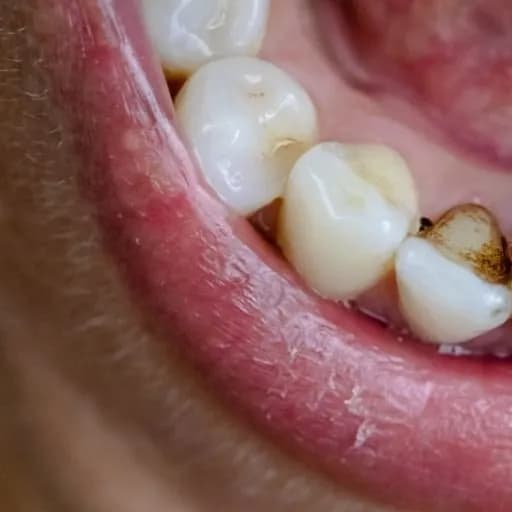
The clearest answer to how black spots on teeth go away is usually professional dental treatment. Black spots on teeth are successfully removed through tartar removal, special whitening sessions, or personalized treatment plans shaped by the answer to what causes black spots on teeth. Although many people look for home solutions such as toothpaste or natural methods for black spots on teeth, an expert diagnosis and the right professional treatment are indispensable for lasting and healthy results, especially when there is a suspicion such as whether the black spots on the tooth are decay. Therefore, a professional evaluation is important before looking for ways to clean black tooth stains at home.
What Causes Black Spots on Teeth, and What Are the Types?
The causes of black spots on teeth are quite varied. Basically, we can divide these spots into two main groups: those that come from the outer surface of the tooth and those that come from the inner structure of the tooth.
Extrinsic (external) stains usually consist of colored substances that stick to the enamel layer of the tooth because of certain foods, drinks, or habits. Intrinsic (internal) stains, on the other hand, are deeper and may result from factors during the tooth's development, trauma, or certain health conditions.
Some common factors that can lead to black spots on teeth are:
Eating Habits: Some foods and drinks contain intense color pigments.
Tobacco Use: Products such as cigarettes and hookah cause stubborn stains on teeth.
Oral Hygiene: Plaque and tartar that build up from inadequate brushing and flossing become discolored over time.
Chromogenic Bacteria: This is a condition, seen especially in children, in which certain bacteria form black-colored deposits on the tooth surface.
Tooth Decay: As decay progresses, it can darken and look like a black spot.
Trauma: A blow to the tooth can damage the living tissue inside it, and over time this can lead to discoloration of the tooth.
Certain Medications: Some antibiotics or iron preparations, especially those used in childhood, can cause staining.
Old Fillings: Discoloration may appear over time, especially around the edges of amalgam (metal) fillings.
Are Eating Habits a Risk for Black Spots on Teeth?
Yes, what we eat and drink can directly affect the color of our teeth. There are some common items that can easily cling to tooth enamel and cause stains. Frequent consumption of these can cause color changes in the teeth over time, ranging from yellow to brown and even black.
Coffee
Black tea
Red wine
Cola and similar acidic, colored drinks
Dark-colored fruits such as blackberries and blueberries
Soy sauce
Tomato-based sauces
Spices such as curry
Balsamic vinegar
Rinsing your mouth with water after consuming these products, or brushing your teeth after a while, can help reduce the risk of staining.
Do Lifestyle Habits Affect the Formation of Black Spots on Teeth?
Absolutely. Tobacco use in particular is one of the most important causes of black spots on teeth. Products such as cigarettes, pipes, cigars, and chewing tobacco build up quickly on the tooth surface because of the tar and nicotine they contain, leading to dark, hard-to-remove stains. These stains are not just a cosmetic problem; they can also negatively affect overall oral health.
How Is Poor Oral Hygiene Related to Black Spots on Teeth?
Not taking enough care of oral hygiene sets the stage for black spots to form. When teeth are not brushed regularly and correctly, a sticky layer of bacteria called "plaque" builds up on them. This plaque picks up color from what we eat and drink and can darken over time. If plaque is not cleaned for a long time, it hardens with the minerals in saliva and turns into a structure called "tartar" or "calculus." Although tartar is yellowish-white at first, over time it can turn black because of external factors or, if it is under the gum line, because of bleeding. Black tartar sticks firmly to the tooth surface, so it does not come off with brushing.
Can Tooth Decay Appear as Black Spots on Teeth?
Yes, tooth decay can also show up as a black spot. When decay begins, it is usually noticed as a chalky white spot. However, if it is left untreated and progresses, the cavity formed as bacteria break down tooth tissue and the discoloration in that area can give it a brown or black appearance. Decay that begins in the grooves on the chewing surfaces of the molars or between the teeth can show itself as dark dots or lines. Such black spots are usually a sign of underlying decay and must be evaluated by a dentist.
Can Other Factors Cause Black Spots on Teeth?
Besides those listed above, there are some other conditions that can cause black staining on teeth. For example, a hard blow to the tooth (trauma) can damage the nerve and blood vessels inside it. Over time this can cause the tooth to lose its vitality and turn gray from the inside out, taking on a color close to black.
Certain antibiotics from the tetracycline group used during tooth development in childhood, or syrups containing high doses of iron, can also cause permanent internal discoloration of the teeth. In fluorosis, which develops from excessive fluoride intake, brown-black pits may sometimes be seen on the teeth in addition to white opaque spots. It is also possible for gray-black discoloration to form in the neighboring tooth tissue as old metal amalgam fillings corrode over time.
Why Is a Dental Examination So Important for Black Spots on Teeth?
When you notice a black spot on your tooth, the best way to understand what it is and take the right step is to see a dentist. This is because the cause of each black spot, and therefore its treatment, is different. With a detailed examination, the dentist can determine whether the spot is a surface stain, tartar, decay, or another problem. Acting on your own guesses or hearsay can cause a serious underlying problem to be missed, or make the situation worse through the wrong intervention. By making the correct diagnosis, the dentist will recommend the most suitable treatment method for you.
What Methods Are Used to Diagnose Black Spots on Teeth?
To understand the cause of the black spot, the dentist first has a detailed conversation with you. They ask about your eating habits, the medications you use, tobacco use, and similar topics. Then they move on to the examination inside the mouth. During this examination, they use special instruments to look at the structure and hardness of the spot and the integrity of the tooth surface. If they consider it necessary, they can take dental X-rays to evaluate the depth of the spot, the inner structure of the tooth, or the bone tissue. In light of all this information, the source of the spot is clarified.
What Professional Treatments Are Applied for Black Spots on Teeth?
The treatment applied also varies depending on the cause of the black spot.
Professional Teeth Cleaning (Scaling and Polishing): Cleaning performed by the dentist or dental hygienist for plaque, tartar, or superficial external stains.
Teeth Whitening (Bleaching): In-office or at-home whitening methods for stubborn external stains.
Bonding (Composite Veneers): Small, localized black spots are covered with composite filling materials.
Porcelain Veneers: Applied for cosmetic reasons in widespread and deep discoloration of the front teeth.
Fillings: If a black spot is caused by decay, the decay is removed and the tooth is restored with a suitable filling.
Crown: Applied in cases of large substance loss or deep staining.
Root Canal Treatment: The first-line treatment for teeth that have changed color as a result of trauma or deep decay.
Microabrasion: Removing a small amount of enamel to get rid of very superficial enamel stains.
Are Home Methods Safe and Effective for Black Spots on Teeth?
There are many products on the market claimed to whiten teeth, and various "natural" methods circulating on the internet. However, when it comes to black spots, such methods should be approached with caution. Brushing the teeth with abrasive substances such as baking soda or activated charcoal can damage the enamel, increase sensitivity, and fall short of removing the stains. Acidic substances such as lemon juice can dissolve tooth enamel and cause permanent damage. Over-the-counter whitening products can usually have a partial effect on superficial stains, but they do not treat the underlying cause of black spots (decay, tartar, etc.). For this reason, it is always healthiest to consult a dentist before trying any home treatment method.
How Can the Formation of Black Spots on Teeth Be Prevented?
It is possible to take some precautions to prevent or minimize the formation of black spots. Proper and regular oral care comes first.
Brush your teeth at least twice a day with a fluoride toothpaste using the correct technique.
Do not neglect cleaning between your teeth with dental floss or an interdental brush.
Rinse your mouth with plenty of water after consuming staining foods and drinks (coffee, tea, cola, red wine, etc.).
If possible, prefer drinking such beverages through a straw.
Stay away from tobacco and tobacco products entirely.
Reduce the consumption of sugary and acidic foods as much as possible.
Have regular dental checkups (usually every 6 months) and get a professional cleaning.
When Should You See a Dentist After Noticing Black Spots on Teeth?
It is important to consult a dentist when you notice a black spot on your teeth that was not there before, or when there is a change in the appearance of an existing spot.
A new black spot that suddenly appears on your tooth.
The spot growing or its color darkening.
The spot not going away despite good oral hygiene.
Toothache or throbbing along with the black spot.
Increased sensitivity to heat, cold, or sweets.
Noticing a visible pit, cavity, or fracture in the stained area.
Bad breath.
Swelling, redness, or bleeding of the gums while brushing.
Especially a single tooth turning gray or black over time.