Spec. Dt. Gökcan ErtaşOrthodontist
 Dt. Sena KırcaDentist
 Dt. Sevinç Cansu KayıranDentist
 Assoc. Prof. Dr. Sezin ÖzerPediatric Dentist
 Spec. Dt. Sude Yıldırım BolatSpecialist in Periodontology

The steps to take to prevent tooth decay form the core answer to the questions of how to stop teeth from decaying and how to halt tooth decay. This is achieved through a combination of conscious oral hygiene practices, an eating pattern that stays away from cavity-causing foods, and professional dental support. When it comes to situations such as what to do for a tooth that has just started to decay or the beginning of a cavity in a tooth, early diagnosis and the right interventions can stop the decay from progressing and protect dental health effectively.
What Are the Main Factors That Set the Stage for Tooth Decay?
Tooth decay usually does not arise from a single cause but from several factors coming together. We can list them as follows:
Bacteria: Of the hundreds of types of bacteria that naturally live in our mouths, some, especially those that feed on sugar and produce acid, play a key role in cavity formation.
Sugary and Starchy Foods: Sugars are the bacteria's favorite fuel. Not just sweets and chocolate, but also fizzy drinks, packaged fruit juices, cakes, cookies, and even honey, molasses and some processed starchy foods fall into this group.
Acid Production: As bacteria consume these sugars, they produce acid. These acids upset the pH balance of our mouth and cause the tooth enamel to dissolve.
Frequent Snacking: Eating sugary foods often throughout the day in particular exposes the teeth to constant acid attacks. The teeth get no chance to repair themselves.
Personal Factors: Personal characteristics such as the composition and flow rate of our saliva, the shape and alignment of our teeth, our oral hygiene habits, whether we use fluoride, and our general health also affect our cavity risk.
How Do This Acid Attack on Tooth Enamel and the Repair Process Affect Tooth Decay?
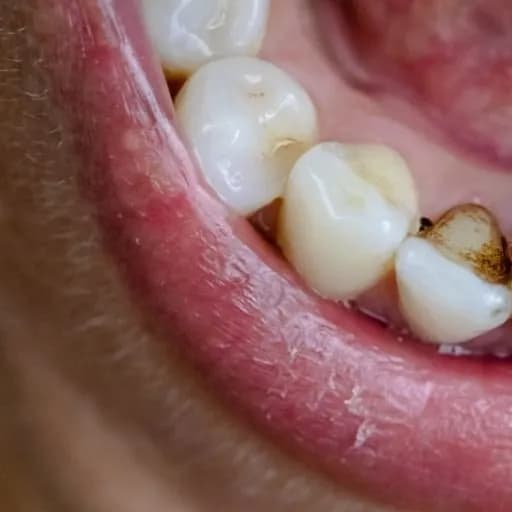
On the surface of our teeth, there is actually a constant state of war and peace. When we eat something sugary, minerals (such as calcium and phosphate) are lost from the tooth enamel because of acids; we call this demineralization, that is, mineral loss. Fortunately, our body has a wonderful defense system: saliva. Our saliva neutralizes these acids and helps repair the enamel by carrying lost minerals back to the teeth; this is remineralization, that is, regaining minerals. Tooth decay begins when this mineral loss is greater than the gain, in other words, when the scale constantly tips toward mineral loss. Fluoride is a very important helper in tipping this balance in favor of mineral gain. It both speeds up repair and makes the repaired enamel more resistant to acid. For this reason, the earliest stage of decay, which we call a "white spot lesion," can be stopped with the right interventions (fluoride applications, adjusting the diet, and good oral care).
How Does Sugar Consumption Increase the Risk of Tooth Decay, and What Do Experts Say About It?
There is a very clear link between sugar consumption and tooth decay. The World Health Organization (WHO) states that sugars added to foods, and foods that naturally contain sugar such as honey, syrups and fruit juices, are the number one dietary factor in tooth decay. This is because bacteria use these sugars to produce acid. Therefore, the more often and the more sugar we consume, the longer and more intensely our teeth are exposed to acid attacks. The WHO recommends that at most 10% of our total daily energy needs, and ideally less than 5%, come from these free sugars. This means that we should stay away as much as possible not only from sweets and candies, but also from many processed foods that contain "hidden sugar," such as ketchup and some ready-made sauces.
Which Foods Should Be Preferred and Which Should Be Avoided to Reduce the Risk of Tooth Decay?
Making conscious food choices is very important for a healthy mouth. Some foods increase the risk of tooth decay, while others are tooth-friendly.
Some foods and drinks that can increase the risk of tooth decay are:
Sweets (Turkish delight, chocolate, caramel, etc.)
Sugary and fizzy drinks
Packaged fruit juices
Cakes, cookies, biscuits
Starchy snacks such as chips
Dried fruits (because of their stickiness and high sugar content)
Some food choices that can support dental health are:
Cheese
Unsweetened milk and yogurt
Nuts such as hazelnuts, walnuts and almonds
Raw vegetables such as carrots, cucumbers and celery
Fibrous fruits such as apples (as long as you don't overdo it)
Plenty of water
Some important points you can pay attention to in order to protect yourself from the harmful effects of acidic foods are:
Reduce how often and how much you consume these kinds of foods and drinks.
Take care to drink acidic beverages through a straw.
Avoid brushing your teeth right after eating or drinking something acidic.
Instead, rinse your mouth with plenty of water.
Wait at least 30-60 minutes before brushing. (Acids temporarily soften the enamel, and brushing right away can increase wear.)
Why Are Proper Tooth Brushing Habits So Important in Preventing Tooth Decay, and How Should It Be Done?
Effective tooth brushing is the cornerstone of mechanically removing bacterial plaque and thereby preventing tooth decay. Here are some basic principles to keep in mind for effective tooth brushing:
Brush your teeth at least twice a day. (Preferably after breakfast in the morning and before going to bed at night.)
Each brushing session should last at least two minutes. (This duration is important for adequately reaching all tooth surfaces.)
Be sure to use a toothpaste that contains fluoride. (Fluoride strengthens the enamel and helps repair early cavities.)
For children, make sure an age-appropriate amount of toothpaste is used. (A rice-grain-sized amount is enough for children under 3, and a pea-sized amount for ages 3-6, and care should be taken that they do not swallow it.)
Choose a soft-bristled toothbrush. (Hard brushes and brushing with too much pressure can damage your gums and tooth enamel.)
The head of the brush should be a size that can move comfortably in your mouth and easily reach all tooth surfaces (front, back and chewing surfaces).
Generally replace your toothbrush every 3-4 months, or sooner if the bristles become worn.
While brushing, place the brush at a 45-degree angle to the gum line and take care to gently clean all surfaces of the teeth with short, soft, circular and sweeping motions.
Does Using Dental Floss and Interdental Brushes Really Help Prevent Tooth Decay?
Yes, it definitely helps. Although tooth brushing is very effective at cleaning the visible surfaces of the teeth, it is usually inadequate at fully reaching the surfaces where teeth touch each other and just beneath the gum line. Yet these areas are very suitable places for food debris and bacterial plaque to build up, and they are where both interdental cavities and gum diseases often begin. For this reason, cleaning these hidden areas at least once a day with dental floss or an interdental brush suited to the width of the spaces between your teeth is an indispensable part of comprehensive oral hygiene. By reducing plaque buildup, this practice protects gum health and thereby indirectly contributes to lowering cavity risk as well.
What Is the Mechanism by Which Fluoride Protects Teeth Against Tooth Decay?
Fluoride really is like a superhero in the fight against tooth decay. It protects our teeth by working in three main ways: First, it slows the dissolving of tooth enamel by acids, that is, mineral loss. Second, it speeds up and makes more effective the return of valuable minerals such as calcium and phosphate in our saliva to the tooth enamel, that is, the repair process. Third, and perhaps most important, when fluoride ions are present during this repair, the new mineral structure that forms (which we call fluorapatite) is much more resistant to and stronger against acid than the original enamel. In some cases, it is also thought to reduce acid production by affecting bacterial metabolism to some extent. We can benefit from these wonderful advantages of fluoride by regularly using fluoride toothpastes, through the fluoridation of drinking water in some regions, or through professional fluoride treatments (such as varnish and gel) applied by your dentist.
Why Are Regular Dental Checkups So Vital for Detecting Tooth Decay Early?
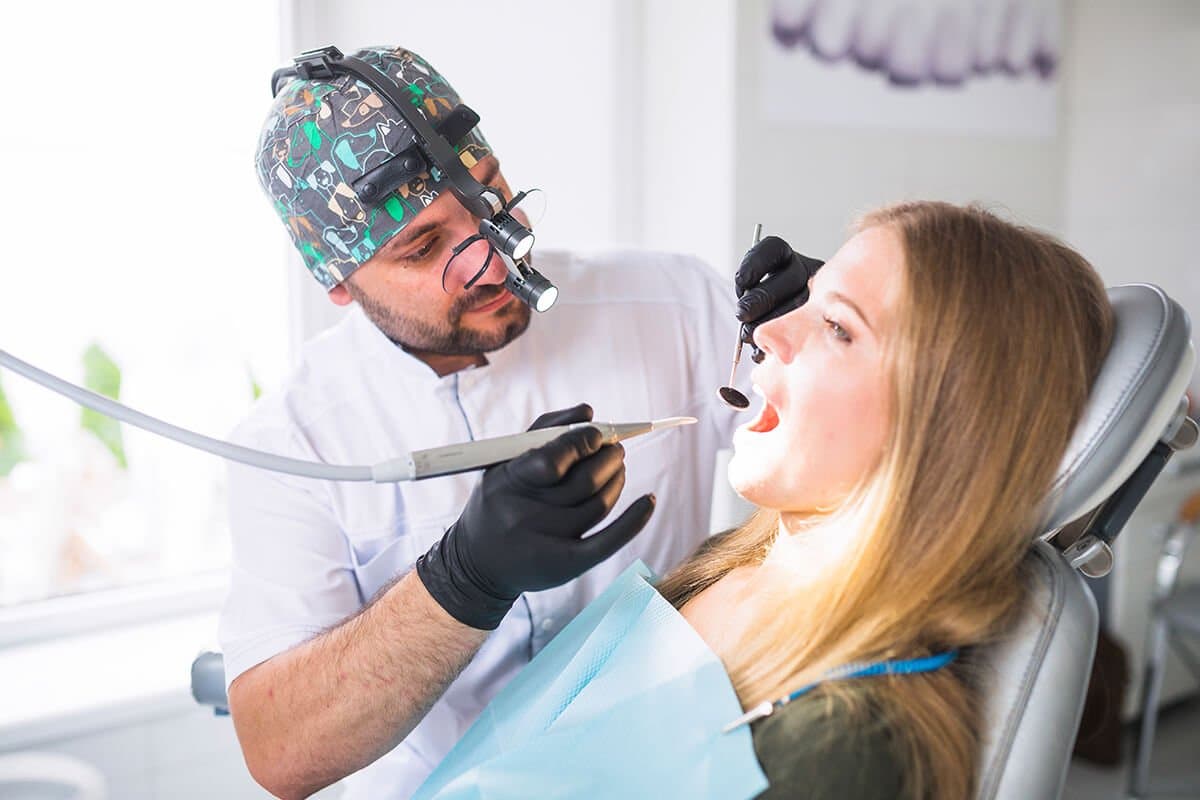
Regular dental visits are not just a place to go when there is a problem; they are also the most important opportunity to catch and prevent potential problems while they are still tiny, before they even appear. During these checkups, your dentist does not just look at your teeth; they look for early signs of serious conditions such as tooth decay, gum disease and even oral cancer. They assess your personal cavity risk (taking into account factors such as your eating habits, oral care, saliva composition and fluoride intake). If necessary, they remove tartar, which is hardened bacterial plaque you cannot remove at home, and other deposits through professional teeth cleaning. Most importantly, by noticing a tiny cavity at an initial stage (that "white spot lesion" condition), they can treat it and stop its progression with simple fluoride applications or other preventive methods, without even needing a filling yet. Depending on the structure of your teeth and your risk level, they may also recommend special preventive treatments such as fissure sealants or APF (acidulated phosphate fluoride). Remember, early diagnosis always makes treatment much simpler, less troublesome, more successful and less costly.
How Do Dental Fissure Sealants Act as a Shield in Preventing Tooth Decay?
Fissure sealants are a thin, flowable filling material that we apply to protect the uneven, tiny grooves (which we call fissures) and pits found on the chewing surfaces of newly erupted permanent molars, especially in children and teenagers. These anatomical grooves are areas that toothbrush bristles cannot fully reach, where food debris and bacteria can easily build up and, so to speak, hide. These areas are therefore quite favorable for tooth decay to begin. Fissure sealants physically cover these delicate areas and form a barrier. In this way, they prevent food and bacteria from settling in these areas and starting decay by producing acid there. The application is an extremely simple, painless and quick procedure. Scientific studies have shown that, especially in children and teenagers with a high cavity risk, when applied shortly after these molars erupt, it is an extremely effective method of preventing decay.