

Do braces hurt? Temporary soreness is common after fitting or adjustment. Pain which gets worse, lasts or affects just one tooth should be checked by a dentist.
Feeling comfortable when you leave the orthodontist does not mean your teeth will feel exactly the same later that evening. Tender teeth and a wire rubbing against your cheek are also different problems. When discomfort starts, where you feel it and whether it is improving all help your dental team understand what needs checking.
This article on the Dental Prime website explains early soreness, practical comfort measures and signs that need attention. It provides general information; the instructions given by your own orthodontist take priority for your treatment.
Does Having Braces Fitted Hurt?
Attaching brackets to the teeth is not usually painful. Holding your mouth open, having your lips moved aside or feeling pressure from an instrument may be uncomfortable. Tenderness from the forces used to move teeth is often noticed later, after the fitting appointment.
These are separate experiences. Having the brackets bonded during the appointment is different from noticing sensitive teeth while eating dinner. People do not all feel the same amount of discomfort, so a friend's account cannot predict how your own first day will feel.
Tell the orthodontist if a tooth was already painful before treatment or has recently been treated. Previous sensitivity, a large filling or an earlier injury may matter when a new symptom is assessed. Pain that starts around the time braces are fitted should not automatically be attributed to the braces.
If you feel a sharp sensation in one place during the appointment, say so. You do not need to hide discomfort or assume that it is unavoidable. The orthodontist can check the contact point and explain what is happening before continuing.
The braces treatment guide, available in Turkish, explains planning and follow-up. This article focuses on discomfort around fitting and adjustments, rather than the different treatment systems or the full course of orthodontic care.
How Long Does Pain Last After Getting Braces?

Soreness is commonly more noticeable during the first few days and then eases. There is no exact finishing day that applies to everyone. Improvement matters more than counting days alone: worsening pain should not be ignored simply because treatment has only just started.
Pressure And Tenderness During The First Few Days
At first, you may mainly notice that your mouth feels fuller or unfamiliar. Your teeth can then become tender when you bite or chew. It is possible to leave the appointment feeling comfortable and still prefer softer food later that day.
For a short period, meals may need a different texture. Notice whether eating is becoming easier from one day to the next or whether it is getting harder. Being able to describe that change is more useful than reporting only how many days have passed since the braces were fitted.
You may feel more comfortable as the first week progresses. This is not an instruction to tolerate any level of pain for a full week. Contact the orthodontist earlier if discomfort is increasing, is not settling or is substantially affecting eating or sleep. NHS guidance recommends contacting your orthodontist when pain continues for more than a few days after fitting or adjustment.
Can Teeth Feel Sore Again After An Adjustment?
An adjustment or a change of wire can bring back temporary tenderness. The work carried out at that visit and the response of your teeth affect how it feels. You should not expect every appointment to produce the same amount of soreness.
Report a symptom that is noticeably different from previous visits. A wire catching your cheek, a sharp contact point or a feeling that one tooth takes all the pressure when you bite needs to be distinguished from general tenderness. The advice you receive may depend on what was changed during the appointment.
The duration of soreness does not tell you how long the whole course of treatment will take. That separate question is discussed in the article on how long braces treatment takes, available in Turkish. Feeling better also does not mean that follow-up appointments are no longer needed.
How Can You Tell Tooth Soreness From A Poking Wire?
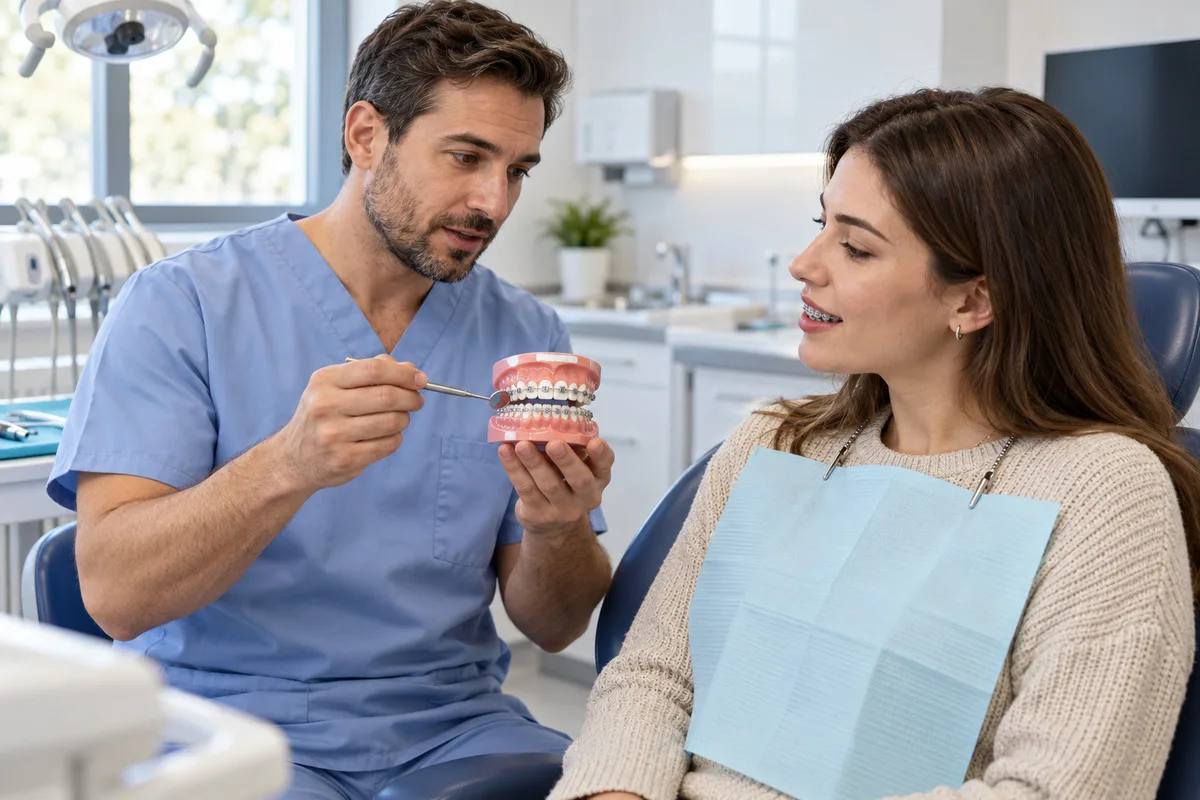
Tooth soreness is often described as pressure or an ache when biting. A wire or bracket rubbing against a cheek, lip or the tongue may cause a sharper sensation at one contact point. Both can happen at the same time, and describing the location helps the dental team decide what to check.
The comparison below helps you explain your symptoms. It does not diagnose their cause.
Concern | What You Might Notice | What To Do |
|---|---|---|
Pressure and tender teeth | An ache that is more noticeable when biting or chewing | Monitor the pattern, choose soft food temporarily and follow personal care advice |
A bracket rubbing or a wire poking | A sore spot on the cheek, lip or tongue | Use orthodontic wax for temporary protection and ask about an appliance check |
Worsening pain or pain focused on one tooth | Spontaneous pain or discomfort interfering with daily activities | Arrange dental assessment to establish the cause |
You can look at the affected area in a well-lit mirror. You might notice a loose bracket, an extended wire end or a small sore. However, being unable to see a problem does not prove that every tooth and appliance component is healthy.
Avoid repeatedly moving the bracket, pulling the wire or touching the sore area to test it. This can add irritation and may change the position of a component. Instead, explain which side is affected, where the rubbing occurs and whether a part appears to move.
Relief from wax does not mean that a broken component has been repaired. Wax forms a temporary barrier against rubbing; it does not correct the wire. Tell the orthodontist about recurring sores or a loose part even if the area becomes more comfortable. Do not try to glue a bracket back on or cut a wire without individual guidance.
What Can Help Relieve Braces Pain?
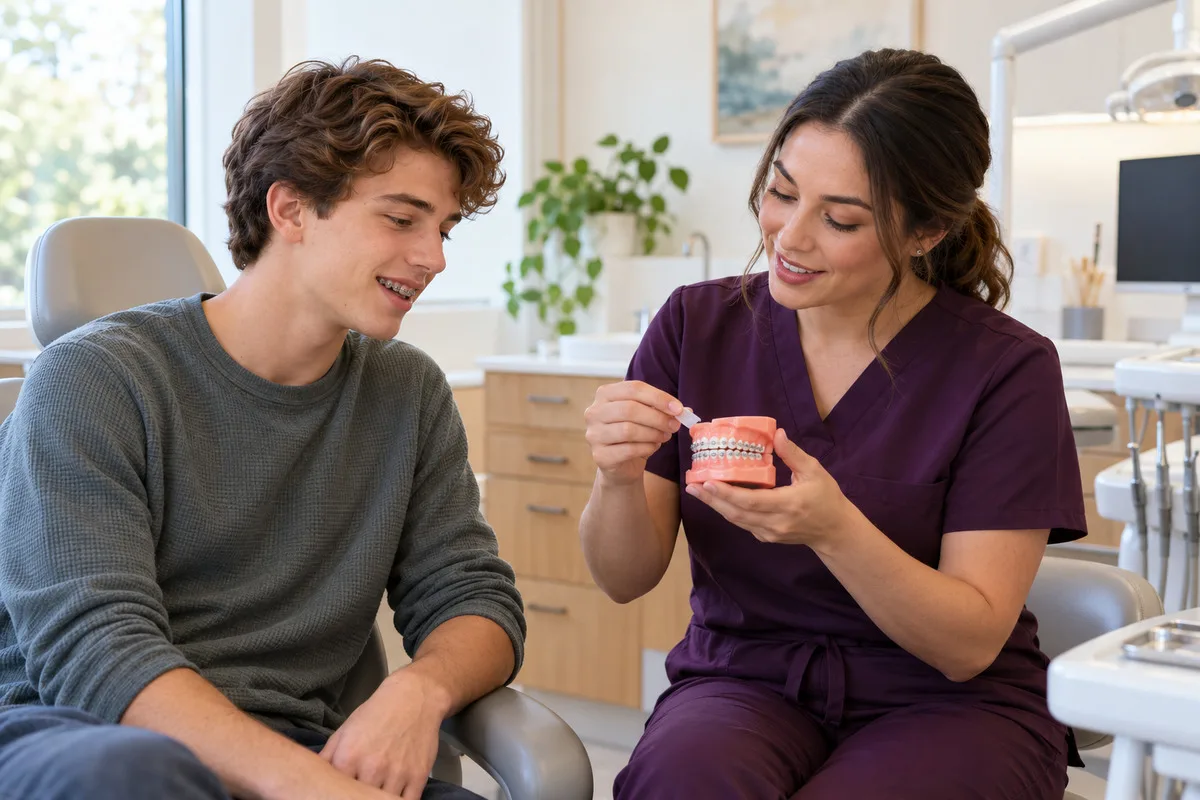
Comfort measures should match the problem. Softer food may help tender teeth, while orthodontic wax may help a bracket that rubs. Neither replaces assessment when pain is severe, persistent or changing in an unexpected way.
Soft Food And Smaller Bites
Yogurt, lukewarm soup, soft eggs, well-cooked vegetables and mashed food may be easier to manage during the first days. The aim is to reduce uncomfortable chewing while continuing to eat balanced meals. Replacing meals with sweets or sugary drinks is not a suitable solution.
Cut food into smaller pieces rather than tearing off a hard piece with your front teeth. Hard, crunchy or sticky foods can also damage brackets and wires. As chewing becomes more comfortable, you can widen your food choices while continuing to follow the dietary instructions provided for your braces.
If very hot or very cold food makes your teeth hurt, choose a more comfortable temperature. Do not chew ice to try to relieve pressure. Biting a hard frozen object loads the teeth and appliance and could create an additional problem instead of helping the original discomfort.
Orthodontic Wax For Rubbing
Orthodontic wax covers the part of a bracket or wire that is rubbing against soft tissue. Use clean hands and the amount and technique demonstrated by your dental team. A clean surface that is as dry as practical can help the wax stay in place.
Do not move the wire or bracket while applying it. The protective layer may need replacing after eating and cleaning; follow the product instructions and your orthodontist's advice. If the same spot repeatedly needs covering or a sore is not healing, ask for a check instead of simply continuing to add wax.
Keep Cleaning Your Teeth And Braces
Stopping brushing because your teeth feel tender allows deposits to build up around the brackets. Use a soft brush and fluoride toothpaste without scrubbing hard. Ask the dental team which interdental tools are suitable and how to use them around your own appliance.
Red, swollen or repeatedly bleeding gums should not simply be labelled an adjustment to braces. Show the team any area that is difficult to clean. A demonstration can be more useful than trying to compensate by pressing harder with the brush or avoiding that area altogether.
How Should Pain Relief Be Chosen?
Whether a pain medicine is appropriate depends on the person. Age, allergies, other medicines and existing health conditions can affect the choice. Ask your dentist or pharmacist for advice, particularly for a child. This article does not provide an individual medicine or dose recommendation.
Do not combine medicines on your own, exceed the recommended amount or change regular medicines without advice. Do not place a pain medicine directly against a tooth or mouth sore. Frequent need for pain relief, worsening symptoms or lack of relief with the recommended approach should prompt a review.
Do Orthodontic Rubber Bands Hurt?
Orthodontic elastics apply additional forces according to the treatment plan. Some tenderness may occur when they are introduced or when the prescribed arrangement changes. The attachment points, number of bands and wearing schedule are selected for your individual bite.
Do not remove and replace them at random because of discomfort, or add extra bands to try to speed things up. Ask the orthodontist what to do if a band breaks or you forget where it attaches. Someone else's rubber band arrangement online is not a set of instructions for your treatment.
Mild pressure around the teeth is different from new, substantial jaw-joint pain or difficulty opening your mouth. Report such a change and ask how your wearing schedule should continue. Do not switch to stronger elastics on your own.
At a review, explain how consistently you have worn the elastics and whether symptoms began after a particular change. That information may help more than describing pain intensity alone. If the instructions are unclear, ask the team to demonstrate the arrangement again.
When Should You Contact A Dentist About Braces Pain?
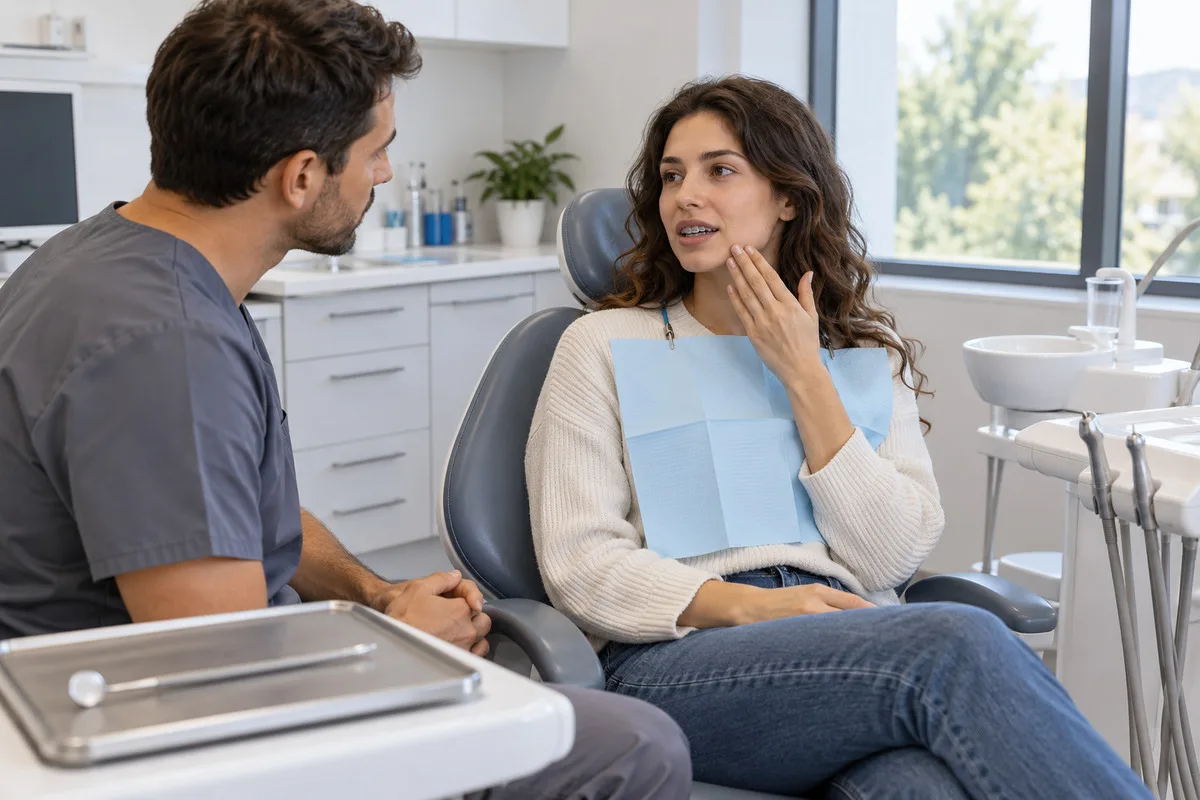
Contact a dentist if pain is increasing, is not improving after a few days, becomes focused on one tooth or significantly affects daily life. Tell your orthodontist about a broken bracket or poking wire without waiting for the next routine appointment.
Problems That Should Not Wait For A Routine Visit
Pain that starts by itself or wakes you from sleep, obvious gum swelling, pus or an unpleasant taste should not automatically be attributed to tooth movement. A sore that grows or repeatedly returns in the same place also needs attention. The dentist may need to assess the teeth and gums as well as the appliance.
When contacting the clinic, explain when the braces were fitted or last adjusted, where the pain is and how it has changed. Mention any loose component. A photograph can help if your clinician requests one, but a picture alone cannot replace an examination.
When speaking with a dental clinic in Samsun, mention your existing orthodontic treatment and current medicines. If another team is managing your care, contact that team first. Having a future review date does not prevent you from requesting advice about a new symptom sooner.
Symptoms That Need Emergency Assessment
Difficulty breathing or swallowing, rapidly increasing swelling around the face or mouth, heavy bleeding that does not stop, or a serious injury to the face or teeth needs emergency assessment. Do not wait for a routine orthodontic appointment. Facial swelling or severe pain accompanied by fever also needs prompt attention.
Do not try to manage emergency signs solely with home comfort measures because you assume that the braces caused them. Assessment of your general health and teeth comes first. Any appliance repair can then be coordinated with the clinicians involved.
Conclusion
Do braces hurt? Temporary soreness can occur, particularly after fitting and some adjustments, but it should ease. A poking wire, a broken component and pain that is getting worse require separate attention rather than the assumption that they are all part of getting used to treatment.
Softer food, appropriate cleaning and orthodontic wax used as demonstrated can make the early days easier. Pain intensity does not measure treatment success. The right approach depends on the source of the symptoms and your individual health and treatment plan.