


 Spec. Dt. Gökcan ErtaşOrthodontist
 Dt. Sena KırcaDentist
 Dt. Sevinç Cansu KayıranDentist
 Assoc. Prof. Dr. Sezin ÖzerPediatric Dentist
 Spec. Dt. Sude Yıldırım BolatSpecialist in Periodontology
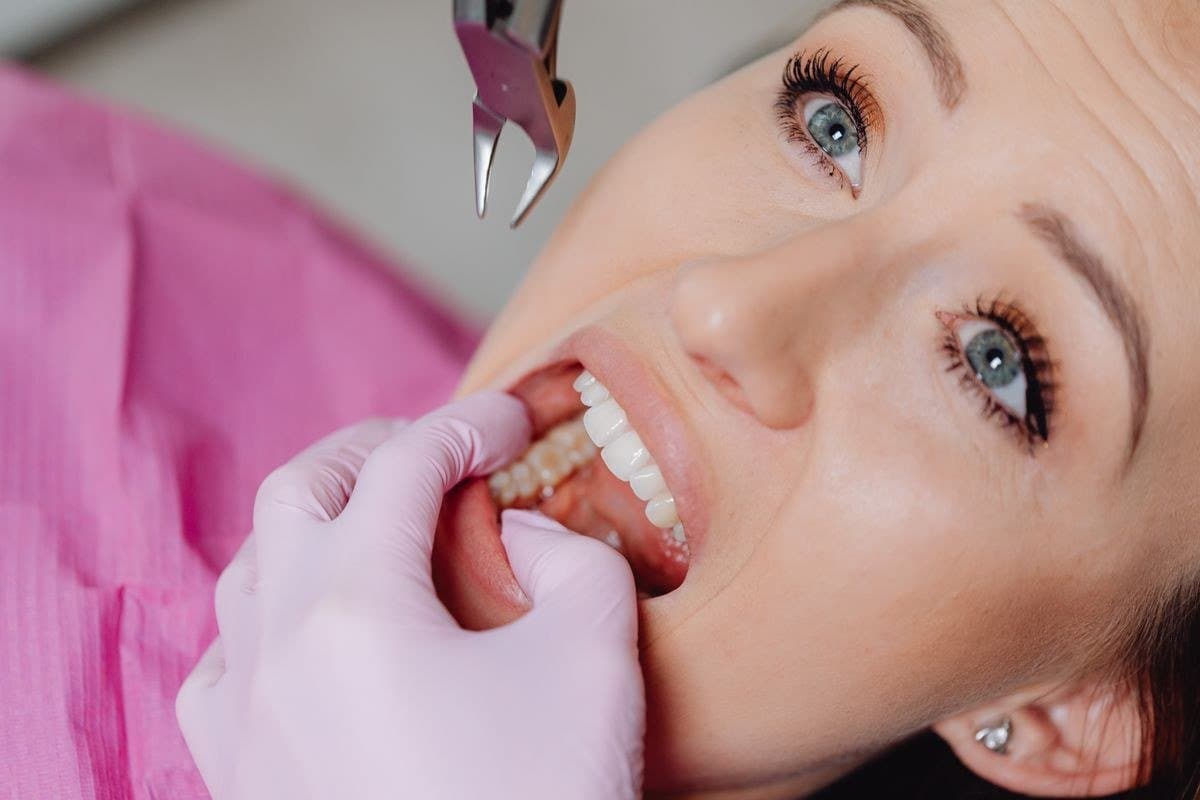
Called alveolar osteitis in medical terminology, this condition usually shows itself as pain that begins two to four days after the extraction and gradually becomes more severe. It does not occur with every tooth extraction; the likelihood increases in patients with certain risk factors. When noticed early, relief can be achieved with simple procedures performed in the clinic.
In this article you will find the symptoms, causes, ways of prevention, and treatment process of dry socket in detail. You can ask the Dental Prime team any questions you have about how to manage the period after a tooth extraction, and you can schedule an examination appointment for an evaluation specific to you. The information here is for general informational purposes and does not replace a dentist's examination.
Dry Socket Symptoms

The most obvious sign of dry socket is pain that, contrary to expectations, increases a few days after the tooth extraction. In normal healing the pain lessens with each passing day, whereas in this condition the opposite happens. The pain may be accompanied by bad breath, an unpleasant taste in the mouth, and an empty look in the extraction socket instead of a clot.
Some patients may also feel mild tenderness in the lymph nodes under the jaw on the same side. In contrast, marked facial swelling or a high fever is generally not expected with dry socket; the presence of these findings suggests a different condition. The day the symptoms started and how they have progressed are valuable information for the dentist.
When Does the Pain Start and What Kind of Pain Is It?
Complaints usually appear between the second and fourth day after the extraction. A first day that passes comfortably can turn into a pain that suddenly becomes severe on the third day. This pain is typically throbbing, constant, and not fully relieved by pain medication.
The pain may not stay limited to the extraction site; it can spread toward the ear, temple, under the eye, or neck on the same side. Patients most often describe it as a pain "much worse than the tooth that was pulled." Radiating pain is an important clue that distinguishes dry socket from ordinary post-extraction sensitivity.
It is also common for the complaint to worsen at night and interrupt sleep. A change in blood flow to the area in a lying position can make this more noticeable. Pain that reaches a level that interferes with daily life, speaking, or eating is considered a sign that you should get evaluated without waiting.
Dry Socket or Normal Healing Pain?
Some pain and swelling after a tooth extraction is expected. The distinguishing point is how the complaint progresses over time. In normal healing, the discomfort is at its highest in the first two days and then decreases steadily; in dry socket, the pain begins to increase on the days when it should be decreasing.
Finding | Normal Healing | Dry Socket |
|---|---|---|
Course of the pain | Decreases a little more each day | Increases after day 2-4 |
Location of the pain | Limited to the extraction site | May spread to the ear, temple, and neck |
Extraction socket | A dark-colored clot is visible | No clot; the socket looks empty |
Breath odor | No noticeable change | Bad odor and taste may occur |
Effect of pain relievers | Noticeably reduce the discomfort | Usually not enough |
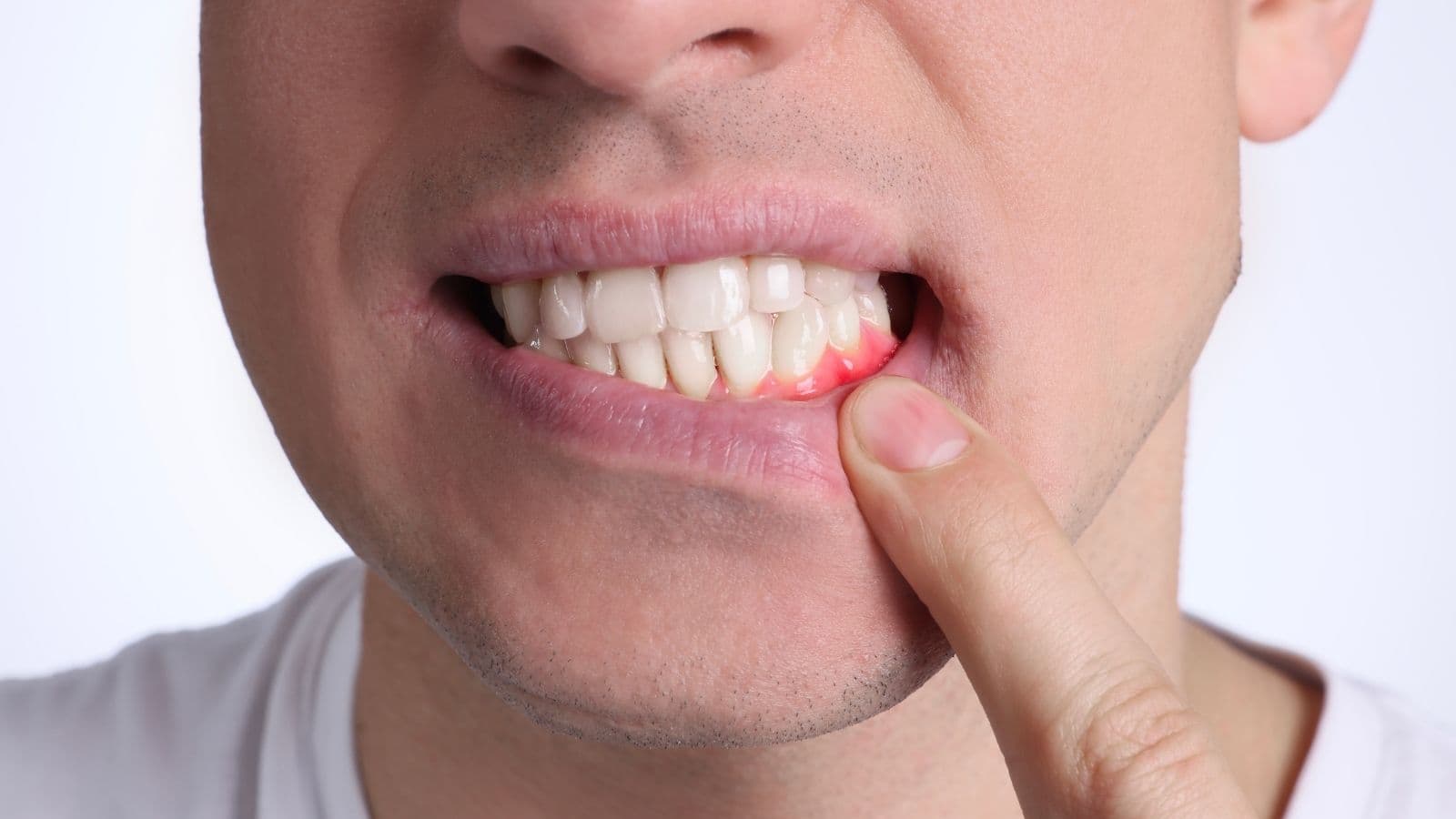
When looked at in a mirror, a dark-colored clot is seen in the socket in normal healing. In dry socket, this appearance is replaced by a pale, empty pit. However, seeing the area is not always easy and can be misread even under light; for this reason, a visual assessment should not be treated as the sole criterion.
Although the findings in the table are a guide, the definitive distinction is made by the dentist directly examining the extraction site. If you suspect it, the best approach is to contact your clinic rather than deciding on your own.
Why Does Dry Socket Occur?
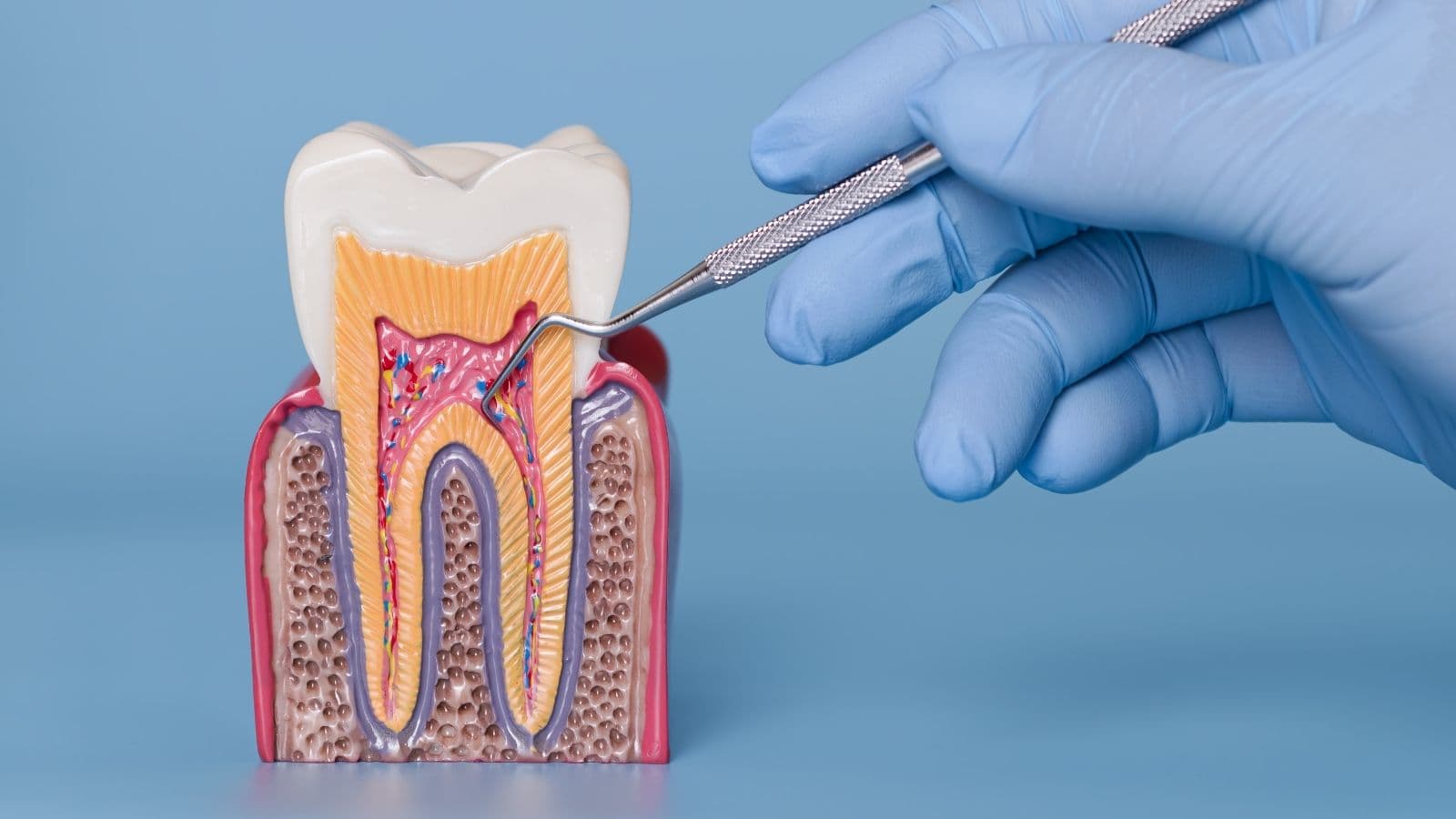
The blood clot that forms in the socket after a tooth is removed acts as a natural covering over the underlying bone and nerve endings. Healing proceeds on top of this clot. If the clot breaks down early, is dislodged, or never forms, the bone tissue remains exposed to the oral environment and severe pain results.
This clot is not only a physical covering; it also brings the cells that start healing to the area. Losing it therefore means the process goes back to the very beginning. The factors that lead to loss of the clot can be grouped under two main headings, mechanical and personal, and in most cases they play a role together.
Mechanical Causes Behind Early Loss of the Clot
The most common cause is a sucking motion in the mouth. Drinking through a straw, the negative pressure created while smoking, and vigorous spitting can dislodge a clot that has not yet settled. Likewise, rinsing the mouth forcefully on the first day can also break the clot apart.
Poking at the extraction site with the tongue, touching it with a finger, or biting something hard on that side are other mechanical factors. In difficult and lengthy extractions, greater impact on the surrounding tissue can also make it harder for the clot to stay in place. For this reason, following the instructions given after the procedure carefully in the first days is important.
Violent sneezing, blowing the nose hard, and straining while lifting heavy objects also suddenly change the pressure inside the mouth. Although these movements may seem harmless at first glance, they can create enough strain for a newly formed clot. Avoiding such sudden pressure changes in the first days is a protective measure.
Personal and Medical Factors That Make Healing Harder
Smoking creates a two-way risk, through both its chemical content and the sucking motion it involves. Substances in tobacco products can reduce blood flow to the area and prevent the clot from forming properly. Inadequate oral hygiene also affects healing negatively by increasing the bacterial load in the area.
The use of certain medications that affect blood circulation or clotting, hormonal changes, and chronic conditions that are not under control can also change the speed of healing. Sharing the medications you use and your current health status with your dentist before the extraction helps the procedure be planned more safely.
The presence of active inflammation in the area before the extraction is also among the factors that make healing harder. For this reason, in cases where the dentist considers it appropriate, they may prefer to bring the inflammation under control first and leave the extraction until later. Diet and overall immune status also indirectly affect the speed of tissue repair.
Who Is at Higher Risk of Dry Socket?
Dry socket does not occur with the same likelihood in every patient. In some patient groups and with some types of extraction, the chance of it occurring increases markedly. If one or more of the following applies to you, it is recommended that you follow the post-extraction care rules more carefully.
People who smoke or use tobacco products
Patients who have had an impacted wisdom tooth removed from the lower jaw
Those who have had a difficult and lengthy surgical extraction
Those who have had dry socket at least once before
Those with active inflammation or infection at the extraction site
Those who have difficulty keeping up regular oral care
There is an anatomical reason why wisdom teeth in the lower jaw stand out. The bone in this area is denser, the blood supply is relatively limited, and extraction usually requires a surgical approach. The deeper socket left after an impacted tooth extraction is also a factor that makes it harder to protect the clot.
The presence of these risk factors does not mean dry socket will definitely develop; it only shows that the likelihood is higher. If your dentist determines that you are in a risk group, they can arrange the extraction plan and the follow-up schedule afterward accordingly.
What to Do to Prevent Dry Socket
The most effective way to prevent dry socket is to follow your dentist's instructions fully after the extraction. Most of the precautions are simple and aim to keep the clot in place. The headings below include practical steps you can apply starting from the first day.
Prevention actually begins before the day of the extraction. Sharing in advance the medications you use and any chronic conditions you have allows the dentist to plan the procedure accordingly. Arranging a light schedule in advance for after the appointment and leaving time to rest also helps the first day go more comfortably.
What to Do in the First 24 Hours After the Extraction
The first twenty-four hours are the most critical period, when the clot forms and settles into place. During this time, not rinsing, not spitting, and leaving the area alone are decisive for healing to begin healthily. It is enough to apply gentle pressure to the gauze placed to stop the bleeding.
After biting on the gauze for about thirty minutes, remove it gently
Do not rinse your mouth or spit on the first day
Do not touch the area with your tongue or finger
Apply a cold compress to the outside of the cheek
Rest with your head slightly elevated
The cold compress can be applied for about fifteen minutes and repeated with breaks of a similar length. Until the anesthesia wears off, care should be taken not to bite the lip or cheek without realizing it. Staying away from hot drinks during this time also reduces the risk of both burns and bleeding.
What to Avoid During the First Week
During the first week, any behavior that creates a pressure change in the mouth should be avoided. Drinking through a straw, gargling forcefully, blowing the nose hard, and sneezing violently are chief among these behaviors. These movements can dislodge a clot that has not yet firmed up.
Heavy physical activity, strenuous exercise, and heavy lifting should also be postponed in the first days. Such exertion can raise blood pressure in the area and restart the bleeding. For the same reason, environments such as hot showers, steam baths, and saunas should not be preferred in the early period of healing.
Alcohol consumption is also not recommended during this period; it both slows tissue healing and can interact with the medications being used. If you have plans that involve pressure changes, such as air travel, it is helpful to share them with your dentist in advance. That way the timing of the trip can be adjusted according to the healing process.
Nutrition and Oral Care Recommendations
In the first days, soft and lukewarm foods should be preferred. Foods that do not require chewing, such as soup, yogurt, puree, and boiled vegetables, are suitable. Because very hot foods can increase blood flow and trigger bleeding, it is safer to eat meals lukewarm.
Hard-shelled foods, seeds, chips, and small-grained foods such as rice can slip into the socket and irritate the area. You should continue brushing your teeth, but without touching the extraction site directly. From the second day, with your dentist's approval, you can rinse gently with lukewarm salt water.
Continuing to chew on the side where no extraction was done prevents unnecessary strain on the area. Drinking plenty of water also helps keep the mouth clean. As for the use of mouthwash, you need to wait for your dentist's recommendation; the ingredients of some products can irritate the area in the early period.
The Effect of Smoking and Straw Use on Healing
Smoking is among the factors that increase the risk of dry socket the most. The sucking motion created while smoking can directly dislodge the clot, while the smoke and the substances in it impair circulation in the wound area and slow healing. When these two effects come together, the risk rises markedly.
The same sucking mechanism occurs when drinking through a straw. For this reason, drinking liquids from a glass is recommended. Rather than giving an exact day for when you can start smoking again, it is a more accurate approach to wait for the recommendation your dentist will give after looking at how your healing is progressing.
Because a similar sucking motion occurs with products such as hookah and electronic cigarettes, they are not considered a safe alternative. Even in cases where quitting smoking completely is difficult, taking a break during the healing period makes a clear contribution to the recovery of the area. You can share any hesitations you have on this subject with your dentist.
How Is Dry Socket Treated?

Dry socket treatment consists of procedures performed in the clinic that are short and that usually provide noticeable relief in the same session. The aim is to cover the exposed bone, clean the area, and lay the groundwork for healing to start again.
Procedures Performed in the Clinic
The dentist first examines the extraction socket to confirm the diagnosis. Then the area is carefully rinsed with special solutions to remove accumulated debris. This cleaning both reduces discomfort and makes the next step effective.
After cleaning, a special dressing containing ingredients that relieve pain and support healing is placed in the socket. This dressing covers the exposed bone surface and helps the pain ease quickly. Depending on the severity of the complaint, the dressing may need to be renewed at certain intervals.
How often the dressing is renewed and the total number of sessions vary from patient to patient; this decision is made by looking at the state of healing in the area. During the procedure, if it is considered necessary, the area can be numbed using appropriate methods. Not missing follow-up appointments is important for the process to progress as planned.
Pain Management and Medication Use
For pain control, the medications recommended by your dentist should be used at the stated dose and for the stated duration. Adding medications on your own or increasing the dose can lead to unexpected results. If you use other medications, you must let your dentist know.
Because dry socket is not directly an infection, additional medication treatment is not needed in every patient. This decision is made by the dentist who evaluates the findings at the extraction site. A marked decrease in pain after the dressing is applied is a positive sign that the treatment is progressing in the expected direction.
Not taking pain relievers on an empty stomach and following the recommended intervals is advised for both effectiveness and stomach health. If your complaint continues despite the medication, you should inform your clinic instead of increasing the dose on your own. This may be a sign that the dressing needs to be renewed.
Points to Keep in Mind With Home Methods
Some home remedies often shared on the internet can harm the area even when applied with good intentions. Pouring substances such as clove oil directly into the socket can cause irritation in the exposed tissue. Crushing aspirin-like tablets and pressing them against the gum can also cause burn-like damage to the soft tissue.
Trying to clean the area with toothpicks, floss, or similar tools can disturb the healing tissue again. The safest thing you can do at home is to rinse gently with lukewarm salt water as your dentist describes, and not to skip the follow-up appointment.
Herbal mixtures and spice derivatives can also carry bacteria to the area because they are not sterile. In addition, when these methods temporarily suppress the pain, noticing the real problem may be delayed. If the complaint continues, an early examination, rather than lost time, makes the solution noticeably easier.
How Long Does Dry Socket Last?
When treatment is applied, most of the pain subsides within hours after the first dressing. Complete resolution of the complaints and a return of the area to the normal course of healing usually take between seven and ten days. This period may vary depending on the extent of the extraction and individual healing speed.
Period | Expected Course |
|---|---|
Days 1-2 | Usual post-extraction sensitivity period |
Days 2-4 | If dry socket has developed, pain begins to increase |
First hours after treatment | Marked reduction in pain with the dressing |
Week 1 | Symptoms largely subside |
Weeks 2-4 | Soft tissue healing is completed |
Smoking, a large surgical extraction, or not following the care instructions are factors that can lengthen this period. On the other hand, early consultation and regular follow-up noticeably speed up healing. The ranges given in the table offer a general framework; the personal course becomes clear with the dentist's evaluation.
Full renewal of the jawbone is a longer process lasting weeks. However, because this period passes without pain for the patient, it is usually not noticed. Attending your follow-up appointments regularly allows confirmation that healing is progressing as expected.
Does Dry Socket Go Away on Its Own?
Dry socket is a condition that can subside on its own over time, because the exposed bone surface is gradually covered by new tissue. However, when no treatment is applied, this process both takes longer and means that severe pain continues throughout that time.
The most important benefit of going to the clinic instead of waiting is that the pain is brought under control quickly. The dentist also evaluates whether the complaint is really caused by dry socket or by a different reason. This distinction matters so that the right treatment can start in time.
Prolonged pain also negatively affects eating, sleep, and daily life. For this reason, waiting for the complaint to go away on its own is, in practice, not a sustainable option for most patients. A short examination and the dressing that is applied can make the process both shorter and more comfortable.
In Which Situations Should You See a Dentist Without Delay?

After a tooth extraction, some findings show that you have moved outside the usual course of healing. If you encounter any of the following situations, it is recommended that you contact your clinic without waiting for the appointment day.
Severe pain that keeps increasing a few days after the extraction
Discomfort that cannot be controlled with pain relievers
Bleeding that lasts longer than forty-eight hours or starts again
High fever, steadily growing swelling, or foul-smelling discharge
Marked difficulty opening the mouth or trouble swallowing
When you go to the clinic, noting which day the extraction was done, when the complaint started, and the medications you are taking will speed up the evaluation. This information helps the dentist see the picture more clearly and avoids unnecessary repetition.
These symptoms do not always point to dry socket; they can also be a sign of a different condition. An evaluation in the field of Oral and Maxillofacial Surgery makes it possible to correctly identify the source of the complaint. Early consultation can help the problem be solved with simpler methods.
Conclusion
Dry socket is a painful but manageable condition that can occur after a tooth extraction. Simple measures aimed at protecting the clot reduce the risk significantly. When the complaint does develop, noticeable relief can be achieved quickly with the dressing applied in the clinic.
Following the dentist's recommendations and not missing follow-up appointments is the most reliable way for the post-extraction period to go smoothly. If you have a complaint, you can schedule an appointment at a dental clinic in Samsun for an evaluation. The information in this article is for informational purposes; the decision on diagnosis and treatment is made through a dentist's examination.