

Dental Prime
TR Book an Appointment

How Should Gum Care Be During Pregnancy?

Dental treatment can be performed during pregnancy.

Waiting area of the Dental Prime clinic

Dental treatment can be performed during pregnancy. First and foremost, the timing of treatment is planned in line with the recommendations of the patient's physician. In general, treatment during the 2nd trimester (months 4 to 6) of pregnancy is preferred, but emergency procedures can also be performed in other stages. If necessary, X-rays can be taken with a lead apron.

How Should Dental Care Be During Pregnancy?

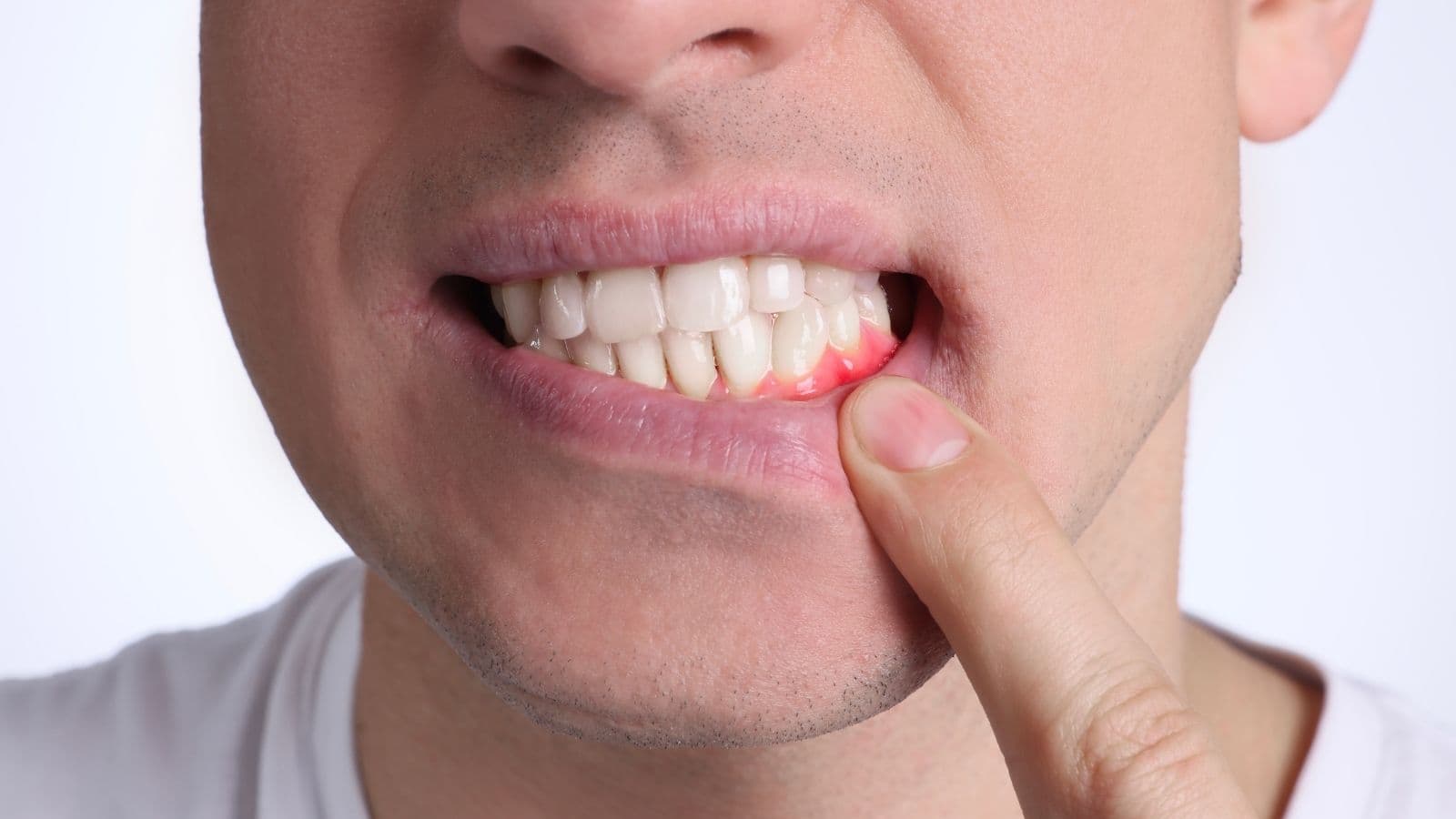
During pregnancy, nausea, vomiting, and hormonal changes alter the pH level in the mouth and increase the risk of cavities. Depending on hormones, the gums become more sensitive and may bleed. Because saliva flow decreases, the risk of cavities rises. For this reason, procedures that can be done in the mouth should generally be completed before pregnancy. Pregnant patients should pay more attention to dental care:

  • Teeth should be brushed at least twice a day.

  • Floss should be used once a day.

  • A daily fluoride, alcohol-free mouthwash should be used.

  • They should eat healthily and keep sugar consumption to a minimum.

Frequently Asked Questions

How Should You Collaborate With Your Dentist and Obstetrician During Dental Treatment in Pregnancy?

For good oral health, it is important that you, your dentist, and your obstetrician stay in communication.

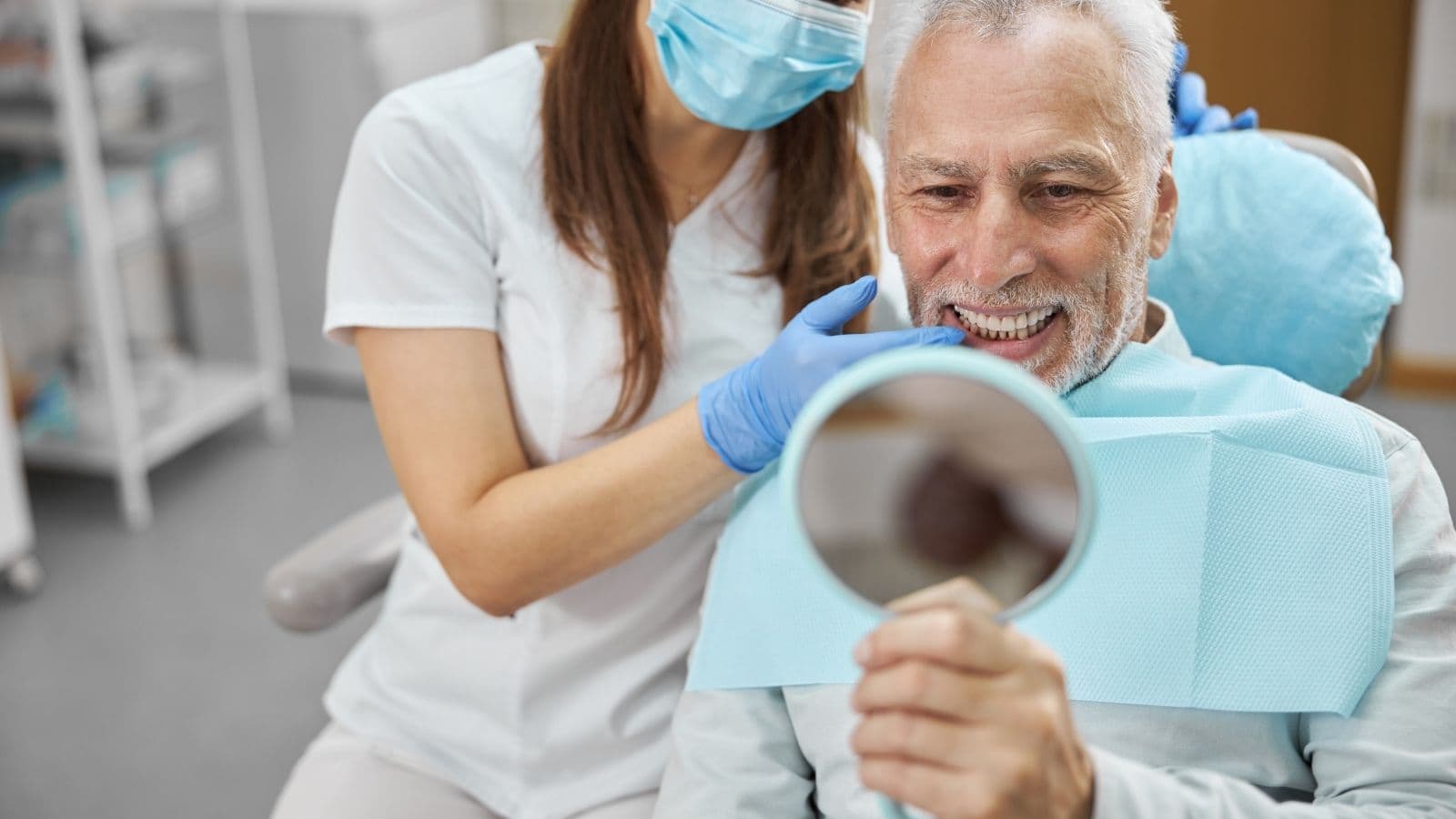
When you find out you are pregnant or when you are planning a pregnancy, it is a good idea to have a dental check-up. Tell your dentist that you are pregnant, how many weeks along you are, and about any medications you use or special health conditions you have. Most routine dental treatments do not require special permission from your obstetrician, but if you have a high-risk pregnancy in particular or a complex treatment is planned, your dentist may contact your obstetrician.

How Does Dental Treatment and Care Begun During Pregnancy Continue for Mother and Baby After Birth?

Attention to oral health should not end with birth.

Do not neglect your own oral health after giving birth. If you have postponed treatments, have them completed and continue with regular check-ups.

Your baby's oral care should also start early. Even before the first tooth comes in, you can wipe your baby's gums with a clean, damp cloth after each feeding and before bedtime. Once the first tooth has erupted (usually around the 6th month), you can begin brushing twice a day with a rice-grain-sized amount of fluoride baby toothpaste. Plan your baby's first dental visit within 6 months after the first tooth erupts, or by their first birthday at the latest. Remember that good oral health on your part also reduces the risk of cavity-causing bacteria being passed to your baby.

About this contentSources and health informationSources

You can review the professional guidelines and patient information resources related to this page below.

  1. PregnancyAccessed: 5 September 2026

Medical Information

This content is for general information. It does not replace an examination, diagnosis or individual treatment plan. Consult your dentist for diagnosis and treatment.

Contact our clinic to arrange a convenient appointment time.

Book an Appointment
Call the ClinicContact and Directions