
 Spec. Dt. Gökcan ErtaşOrthodontist
 Dt. Sena KırcaDentist
 Dt. Sevinç Cansu KayıranDentist
 Assoc. Prof. Dr. Sezin ÖzerPediatric Dentist
 Spec. Dt. Sude Yıldırım BolatSpecialist in Periodontology
Regular Brushing: Brush your teeth at least twice a day with fluoride toothpaste. Brushing especially after meals can prevent stains from forming.
Flossing: Use dental floss to clean plaque and food debris between your teeth. This practice can help remove stains between your teeth.
Dental Visits: Visit your dentist regularly. Professional dental cleaning effectively removes plaque and tartar from your teeth and removes surface stains.
Whitening Toothpastes: Use special whitening toothpastes that can help remove surface stains. These toothpastes work by abrading the stains on the tooth enamel
Whitening Strips: Whitening strips sold in pharmacies can be easily applied at home. They are usually used daily and give results within a few weeks.
Whitening Gels and Pens: Whitening gels and pens that can be used on your dentist's recommendation can be effective for whitening your teeth.
At-Home Whitening Kits: You can use whitening kits that you apply at home with the trays and gels provided by your dentist.
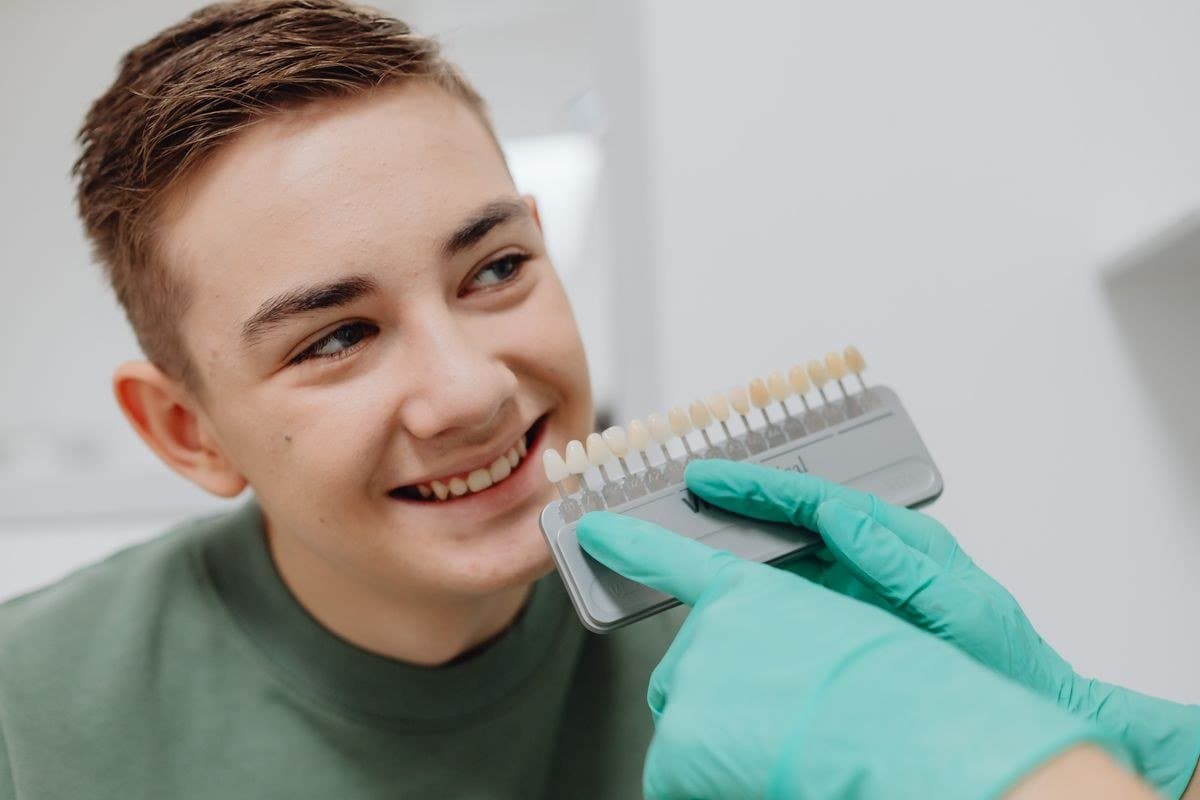
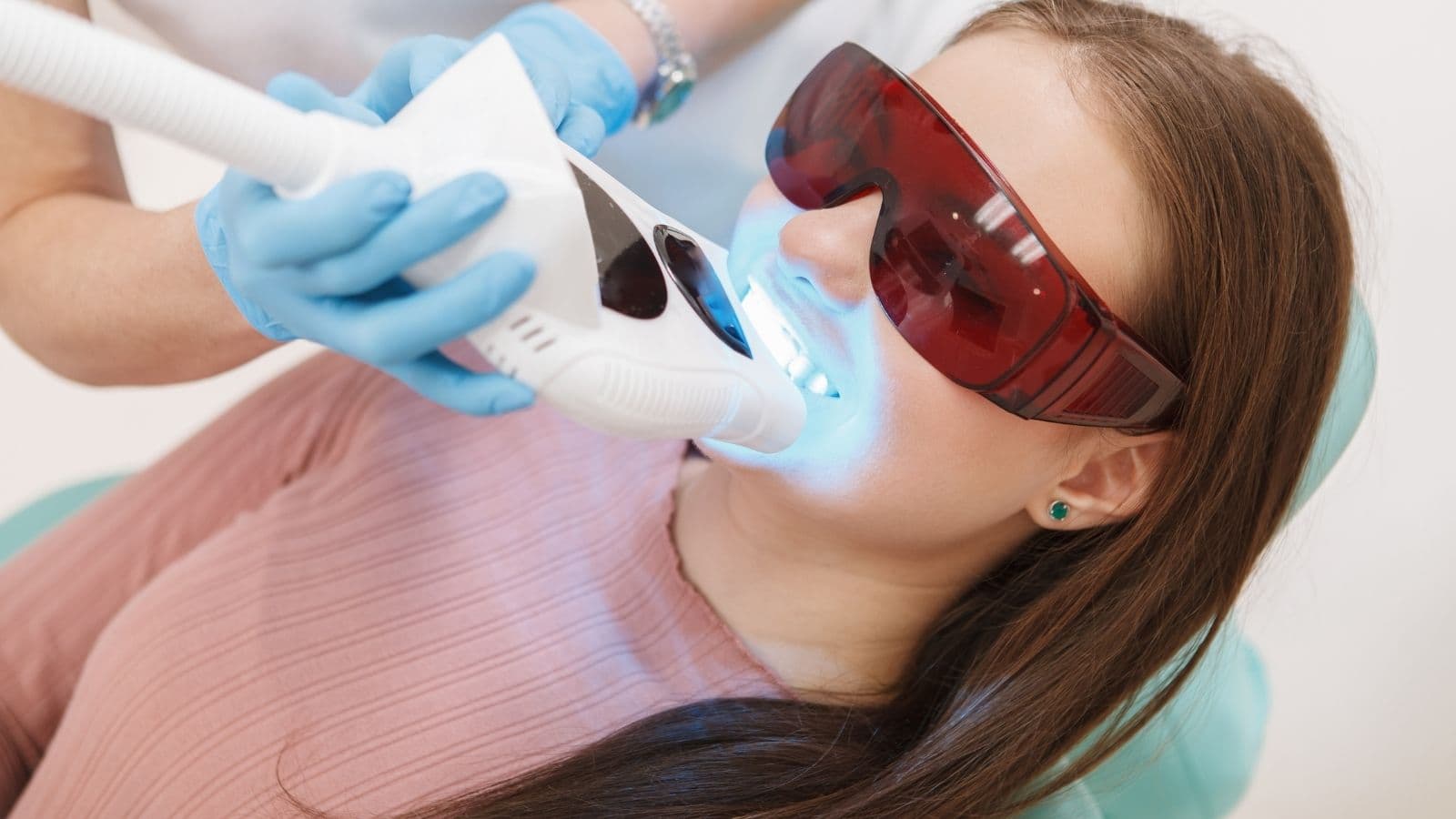
In-Office Whitening: Professional whitening procedures performed at your dentist's office provide fast and effective results. This method is carried out using strong whitening gels and special lights.
Avoiding Tobacco and Caffeine Products: Avoid or limit substances that can stain your teeth, such as cigarettes, coffee, tea, and red wine.
Balanced Diet: Eat foods with natural whitening properties, such as strawberries and apples. Also, drinking plenty of water supports oral hygiene.
How Do I Remove Tooth Stains?
You can try these methods to remove tooth stains and protect your dental health with regular dental checkups. If the stains are severe or home methods are not enough, it is best to get professional help from your dentist.
Frequently Asked Questions
Can tooth yellowing be reversed?
Most extrinsic (surface) stains can be reversed to a significant degree with professional cleaning and suitable whitening methods. For intrinsic (internal) discoloration, the result depends on the cause and degree of the discoloration.
Does whitening damage teeth?
When performed after a dentist's evaluation and with an appropriate protocol, whitening does not damage the enamel structure; the most common side effect is temporary sensitivity. Uncontrolled and excessive use can increase sensitivity, so supervision by a dentist is recommended.
How long does the effect of whitening last?
The duration varies from person to person and depends largely on habits. In people who smoke or drink a lot of tea and coffee, discoloration returns sooner, while in people who maintain regular care, the result is preserved for much longer.
About this contentSources and health informationSources
You can review the professional guidelines and patient information resources related to this page below.
- WhiteningAccessed: 5 September 2026
Medical Information
This content is for general information. It does not replace an examination, diagnosis or individual treatment plan. Consult your dentist for diagnosis and treatment.
Contact our clinic to arrange a convenient appointment time.
Book an Appointment