 Spec. Dt. Gökcan ErtaşOrthodontist
 Dt. Sena KırcaDentist
 Dt. Sevinç Cansu KayıranDentist
 Assoc. Prof. Dr. Sezin ÖzerPediatric Dentist
 Spec. Dt. Sude Yıldırım BolatSpecialist in Periodontology
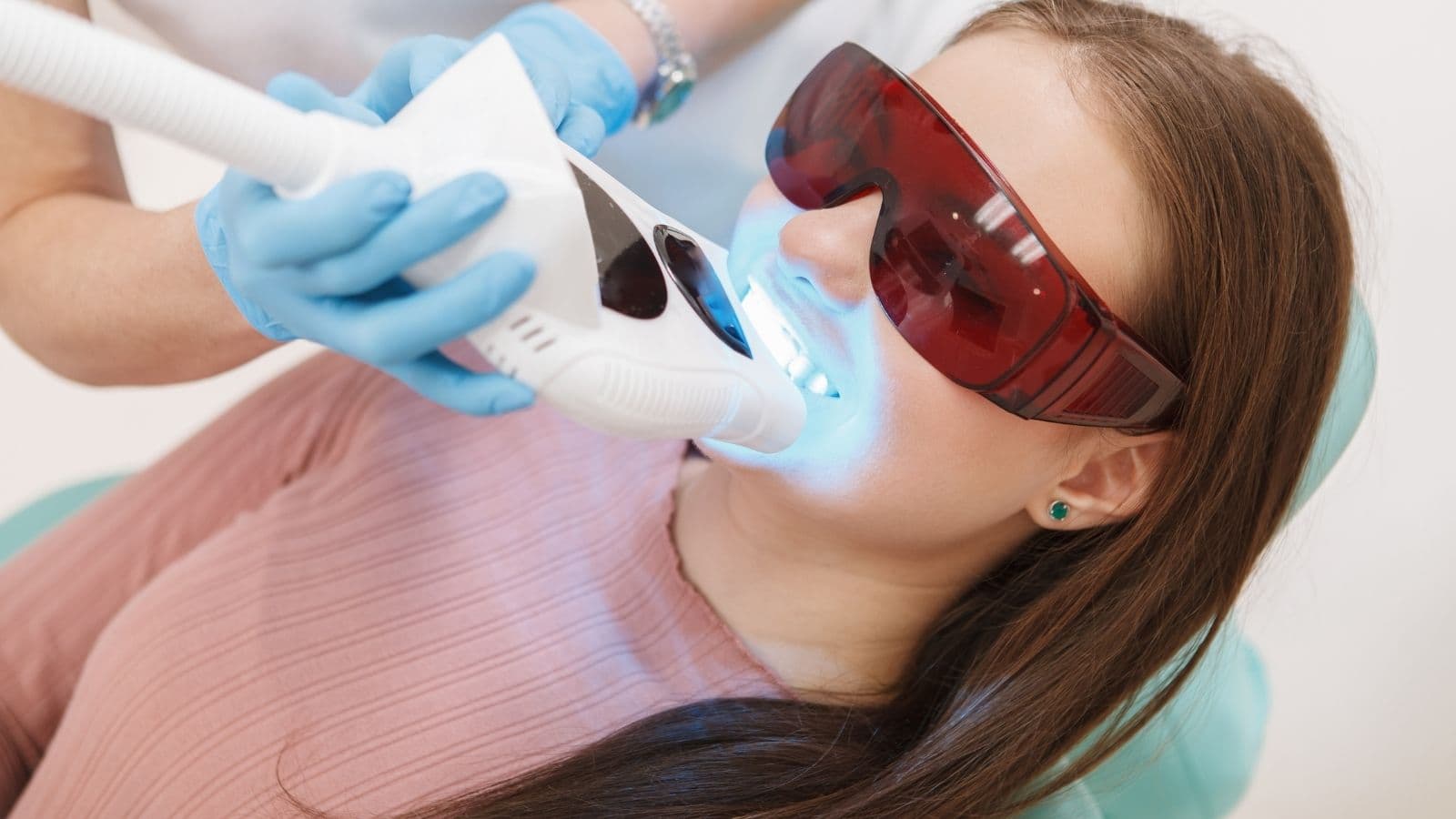
Yes, teeth whitening is generally a safe and healthy cosmetic procedure when it is performed by a dentist using proper techniques and a personalized plan. Most of the frequently asked concerns, such as "Is teeth whitening harmful?", "Does it damage tooth enamel?" or "Does it thin the teeth?", are situations that can arise from non-professional applications or the wrong use of products. Under the supervision of a specialist dentist, all methods, including laser teeth whitening, can be carried out safely with potential risks kept to a minimum, so that your teeth stay healthy while you achieve an aesthetic smile.
How Do Tooth Discoloration Causes Affect the Need for Teeth Whitening?
The color of our teeth can change over time for many reasons. These changes also bring about the desire for teeth whitening. The main causes of discoloration are as follows:
Tea
Coffee
Red wine
Cola and similar colored drinks
Tobacco products (cigarettes, cigars, etc.)
Certain antibiotics (especially those taken in childhood)
Blows or injuries to the tooth
Excessive fluoride intake during development (fluorosis)
Thinning of the enamel layer with aging
Understanding which of these causes affect your teeth helps in choosing the most suitable method for teeth whitening and achieving better results. For example, surface stains caused by food and drinks generally whiten more easily, while discoloration related to medication use or originating from the inner structure of the tooth may require different approaches.
What Teeth Whitening Methods Are Available?
There are various methods you can choose from for teeth whitening. Each has its own way of application, mechanism of action, and duration. In general, we can list them as follows:
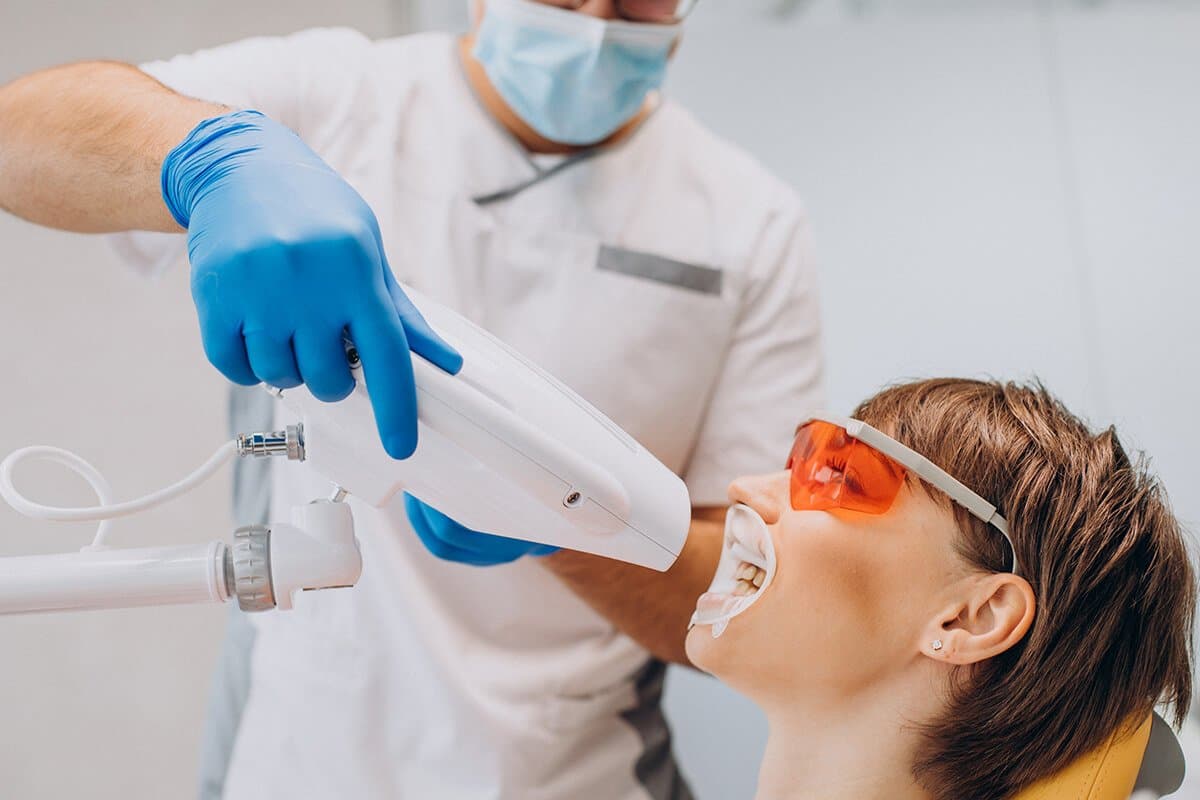
Professional In-Office Teeth Whitening (in a clinical setting)
Dentist-Supervised At-Home Teeth Whitening (with custom-made trays)
Over-the-Counter Whitening Products (toothpastes, strips, gels)
Professional in-office whitening is applied by the dentist in the clinic and generally gives the fastest and most dramatic results. Dentist-supervised at-home whitening, on the other hand, is applied by you at home with custom trays and gels prepared by your dentist; the results appear more gradually. Over-the-counter products contain lower concentrations of active ingredients and their effectiveness is generally more limited; they can mostly provide some lightening on surface stains. It is best to decide together with your dentist which method is most suitable for you.
What Are the Scientific Facts Behind Teeth Whitening?
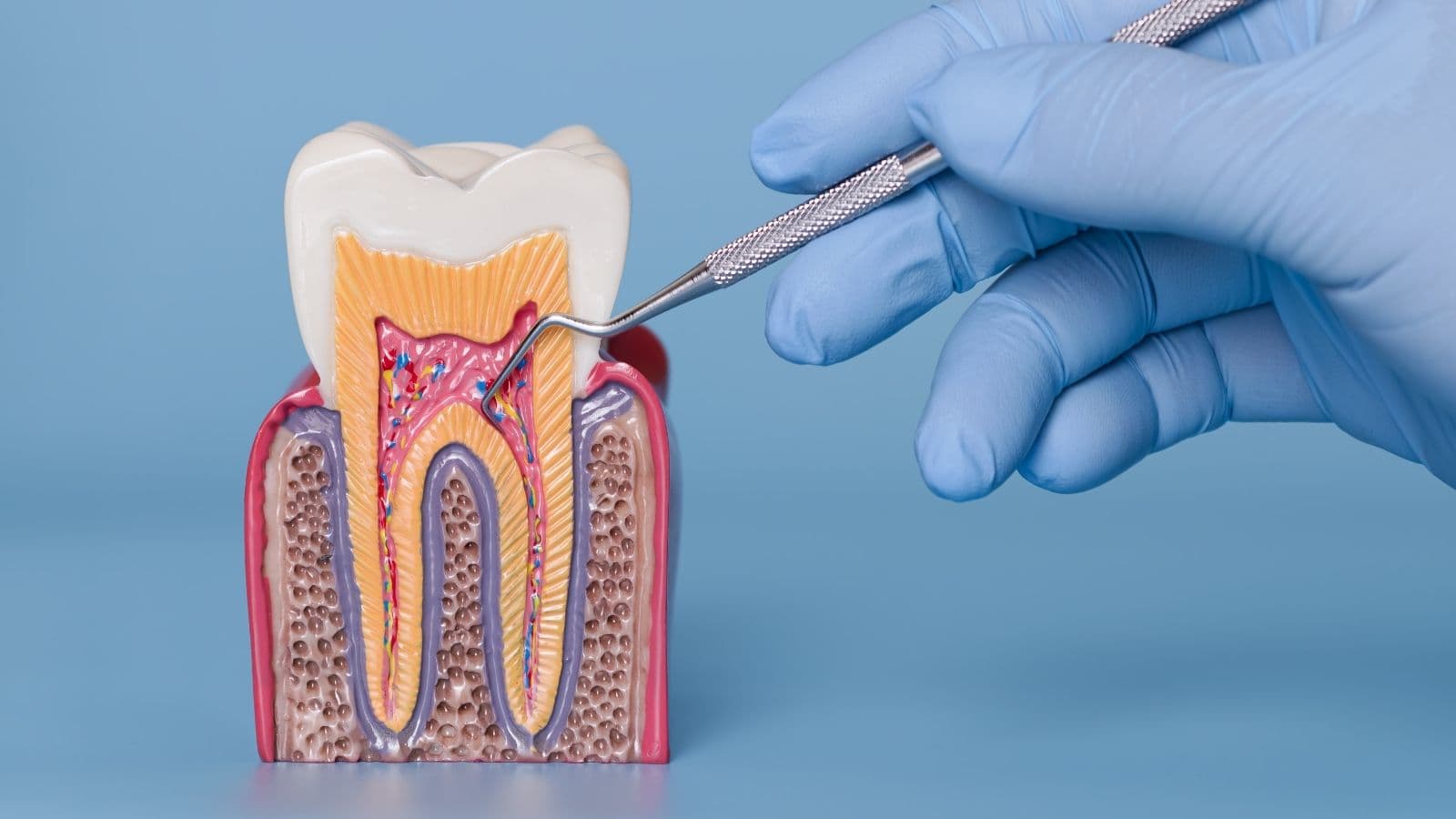
The basis of teeth whitening is the chemical action of special whitening agents that penetrate the tooth enamel and the underlying dentin layer. The most widely used substances with proven effectiveness are hydrogen peroxide and carbamide peroxide. These substances oxidize and break down the large, complex color pigments (chromogens) that cause discoloration in the teeth. In other words, they turn these colored molecules into smaller, colorless or less colored ones. As the molecules get smaller and their color intensity decreases, they begin to reflect light differently, which makes the teeth look whiter. While hydrogen peroxide acts faster, carbamide peroxide provides a slower and longer-lasting whitening effect. In professional applications these substances are used at higher, controlled concentrations, whereas over-the-counter products generally contain lower levels.
What Are the Differences Between Professional Teeth Whitening and Self-Applied Methods?
There are two main routes that come to mind when we talk about teeth whitening: one is professional treatment carried out under your dentist's supervision, and the other is products you can buy from supermarkets or pharmacies and apply on your own. It is worth knowing that there are important differences between them in terms of effectiveness, safety, and durability. With professional methods, your dentist first evaluates your oral and dental health in detail. They choose the whitening agent and concentration that suit you best. During the procedure, sensitive tissues such as your gums are protected with special barriers. Thanks to the high-concentration agents used especially in in-office whitening, faster and more effective results are obtained. With professional at-home kits, the trays prepared specifically for you ensure that the whitening gel contacts your teeth fully and evenly while preventing it from leaking onto your gums. In the event of any sensitivity, your dentist can intervene right away. The situation is different with products you apply yourself. These products generally contain a lower concentration of whitening agent, which limits their effectiveness. More importantly, standard-made trays or strips may not fit your mouth properly. This can cause the gel to leak onto your gums, leading to irritation or uneven whitening. In addition, if you have a cavity or gum problem you are unaware of, using these products can make the existing condition worse. In short, the professional approach offers both safer and more effective results.
What Are the Possible Side Effects and Risks of Teeth Whitening?
Although teeth whitening is generally a safe procedure, temporary side effects may be seen in some people. Rather than worrying about this, it is important to be informed. The most common ones are as follows:
Increased sensitivity of the teeth to cold or heat
Mild irritation of the gums
Temporary redness of the gums
Occasionally a mild burning sensation in the gums
Such side effects mostly fade or disappear completely on their own shortly after treatment, usually within a few days. Your dentist may recommend desensitizing toothpastes or gels to help you get through this period more comfortably. However, products used without supervision and without awareness, especially those of unknown origin or with excessive concentrations, may carry the risk of damaging tooth enamel, causing permanent sensitivity, or leading to more serious problems in the gums. For this reason, it is very important that teeth whitening is always done under a dentist's supervision or on their recommendation, in order to minimize such risks.
Who Should Not Have Teeth Whitening or Should Be Careful?
Not everyone may be a suitable candidate for teeth whitening. In some special situations, it may be necessary to avoid this procedure entirely, or at least to postpone it for a while. The situations that require particular attention are listed below:
Pregnancy
The breastfeeding period
Active, untreated cavities in the mouth
Advanced gum disease (such as gingivitis or periodontitis)
Severe wear or cracks in the tooth enamel
Exposed and sensitive tooth roots
Generally being under 18 years of age (because tooth development is not yet complete)
A known allergy to ingredients in whitening products
Those with very intense tooth sensitivity complaints (the cause of the sensitivity should be investigated first)
If any of these situations apply to you, you should consult your dentist and have your condition evaluated before considering teeth whitening. Your dentist will help you make the safest and most appropriate decision for you.
What Affects Teeth Whitening Results and How Long Do They Last?
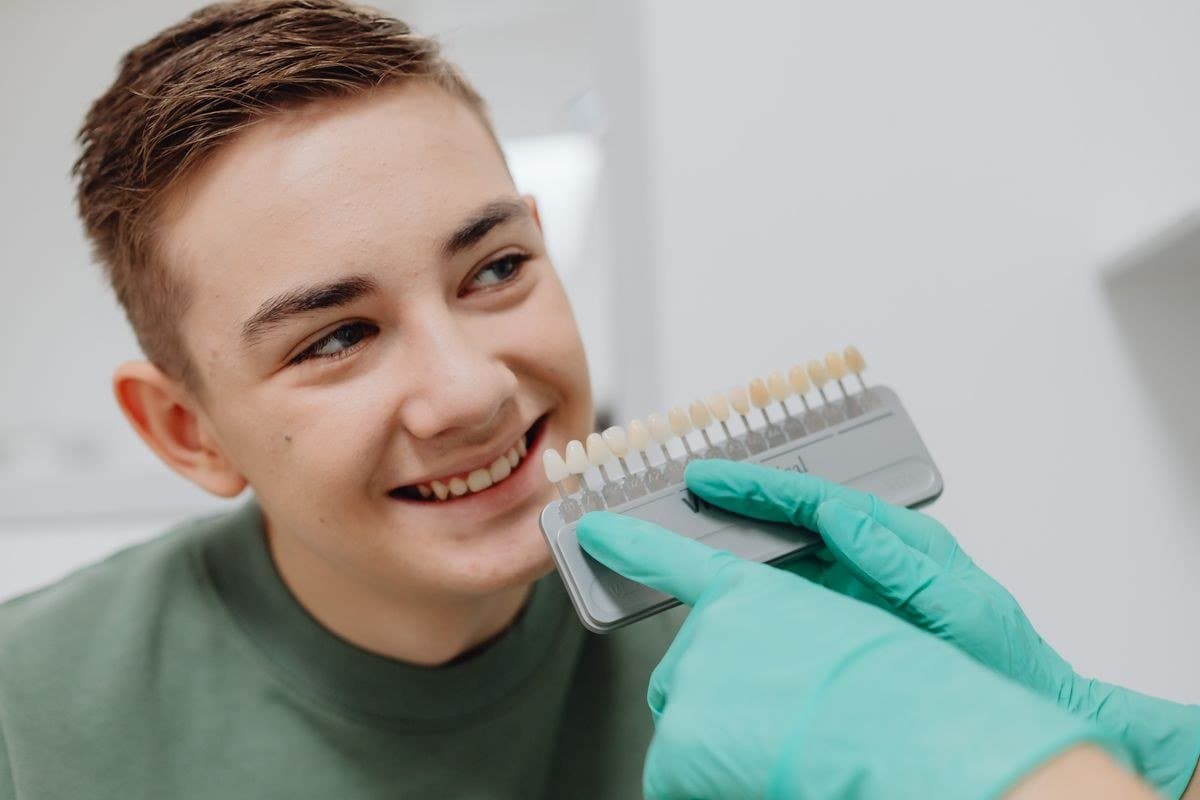
The result of teeth whitening and how long the whiteness achieved will be maintained vary from person to person. Because everyone's tooth structure, starting tooth color, type of staining, and lifestyle are different, it is not possible to give "a standard whiteness guarantee for everyone". One of the most important factors affecting the results is the natural color of the teeth before whitening. Teeth with a yellowish tone generally respond better to whitening, while it can be harder to reach the desired result in teeth with gray or brown tones, especially in intrinsic discoloration related to medication use. Age is another factor; as age advances, the enamel thins and the underlying dentin layer becomes more visible. Daily habits play a large role in longevity. Frequently consumed colored drinks such as coffee, tea, and red wine, and especially tobacco use, cause teeth to stain again and the whiteness to fade more quickly. With good oral care and regular dental check-ups, professional teeth whitening results can generally last from 6 months up to 2-3 years. However, this duration varies depending on all the factors we have listed.
How Is Teeth Whitening Done If There Are Crowns or Fillings in the Mouth?
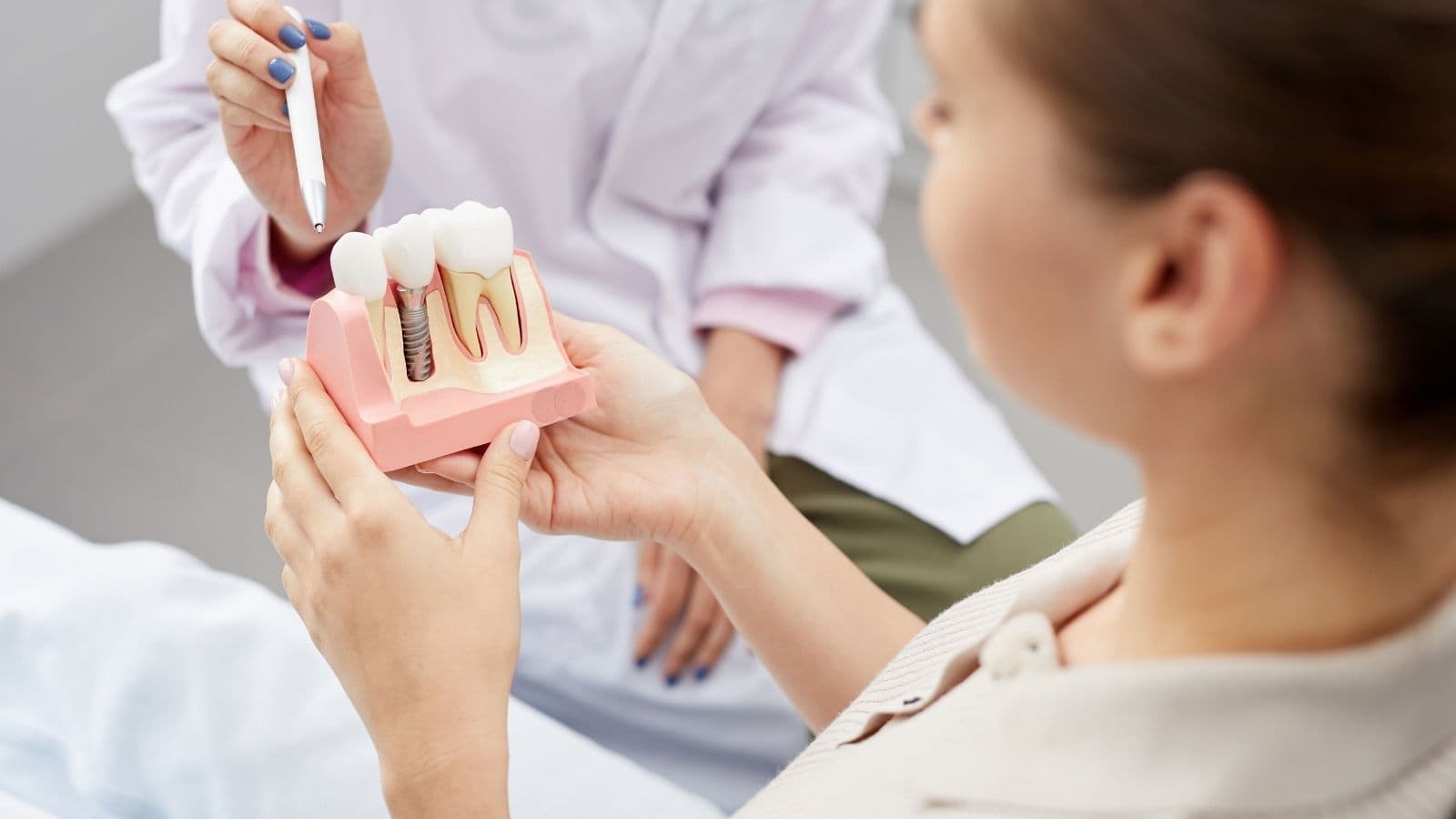
If you have existing restorations in your mouth, especially on your front teeth, such as porcelain crowns, porcelain veneers (laminates), or composite fillings, teeth whitening needs to be planned a little more carefully. The most important thing to keep in mind is that whitening can only lighten the color of natural tooth tissue. In other words, the color of fillings, crowns, or bridges made of artificial materials such as porcelain or composite does not change with whitening. This can cause your natural teeth to become whiter after whitening while your existing restorations stay their old color, resulting in a color mismatch. If these restorations are visible when you smile, an aesthetically unpleasant difference may appear. For this reason, you should definitely discuss this with your dentist before whitening. The usual approach is to first complete the whitening procedure and let the new color of your teeth settle (this may take a few weeks), and then remove the old restorations and replace them with new ones that match your new tooth color.
What Is the Dentist's Role in Safe Teeth Whitening?
The essential requirement of a safe and effective teeth whitening process is, without doubt, your dentist's expertise and guidance. A dentist is not merely someone who applies a whitening substance; they are a healthcare professional who manages the entire process by taking your overall oral health and individual needs into account. First, they carry out a comprehensive oral examination to correctly diagnose the cause and type of discoloration in your teeth. They identify conditions that could prevent whitening (for example, untreated cavities or active gum disease) or could pose a risk. They recommend the most suitable, effective, and safe whitening method for you. While creating a personalized treatment plan, they inform you realistically about possible results and side effects. They perform professional procedures with all safety precautions (such as protecting the gums) or give you detailed instruction on the correct use of at-home kits. They follow the course of treatment and intervene in a timely manner if problems arise. In short, your dentist has a key role in protecting and even improving your oral health while meeting your aesthetic expectations. For this reason, the most correct approach is not to trust whitening promises offered in places of unknown origin or by unauthorized people, and to always consult a dentist.
What Can Be Done to Maintain Whiteness After Teeth Whitening?
After your teeth have been whitened, it will be quite useful to pay attention to some daily habits and lifestyle adjustments to keep this beautiful, healthy look for longer. Here are a few important tips that can help you with this:
Brush your teeth with the correct technique at least twice a day using a fluoride toothpaste
Use dental floss or interdental brushes regularly every day
Reduce your consumption of colored drinks such as coffee, tea, and red wine as much as possible
Try to stay away from acidic, sugary, and colored drinks such as cola
If you do drink colored beverages, rinse your mouth with water afterward
Stay away from tobacco products (cigarettes, cigars, hookah, etc.) altogether
Do not skip your regular dental check-ups (generally every 6 months)
If necessary, on your dentist's recommendation, have touch-up (maintenance) whitening sessions at certain intervals.