






 Spec. Dt. Gökcan ErtaşOrthodontist
 Dt. Sena KırcaDentist
 Dt. Sevinç Cansu KayıranDentist
 Assoc. Prof. Dr. Sezin ÖzerPediatric Dentist
 Spec. Dt. Sude Yıldırım BolatSpecialist in Periodontology
Light oozing and pink-tinged saliva during the first 24 hours after an extraction are considered medically normal. The sterile gauze the dentist places over the extraction socket at the end of the procedure should be bitten on firmly for about 30-45 minutes, and you should never spit continuously. Any normal soreness that develops once the anesthesia wears off is kept comfortably under control with the pain relievers your dentist prescribes.
How long do bleeding and pain last after a tooth extraction, and what is the normal healing time?
Light oozing and pink-tinged saliva during the first 24 hours after an extraction are considered medically normal.

Frequently Asked Questions
In which situations does tooth extraction become unavoidable?
In dentistry, the primary goal is to keep the natural tooth in the mouth with methods such as fillings or root canal treatment. However, extracting teeth that have decayed down to the root nerves, have lost a great deal of structure, or have fractured and cannot be saved by treatment is a legal and medical necessity.
Is tooth extraction painful? Will I feel pain during the procedure?
No. Tooth extractions performed under modern clinical conditions are completely painless. Before the procedure begins, the tooth and the surrounding gum tissue are fully numbed with a local anesthetic method chosen for you. You do not feel pain or discomfort during the procedure; you only feel the normal physical pressure and pulling motion as the dentist removes the tooth from its socket.
How is an impacted or wisdom tooth extracted?
Wisdom teeth that cannot find enough room to erupt in the jawbone usually remain impacted or partially impacted beneath the bone or gum. Unlike a routine extraction, these teeth are removed through a surgical procedure performed by an oral and maxillofacial surgeon. A small incision is made in the gum to reach the impacted tooth, the tooth is divided into small pieces if necessary so it can be removed without causing damage, and stitches are placed to help the area heal quickly.
About this contentSources and health informationSources
You can review the professional guidelines and patient information resources related to this page below.
- Advice for patients having a tooth removedAccessed: 5 September 2026
Medical Information
This content is for general information. It does not replace an examination, diagnosis or individual treatment plan. Consult your dentist for diagnosis and treatment.
Contact our clinic to arrange a convenient appointment time.
Book an AppointmentContinue Reading

Tooth Extraction in Samsun
Tooth extraction in Samsun is the procedure of safely removing a tooth that is damaged beyond saving or that threatens oral health, after the dentist's evaluation.
Read more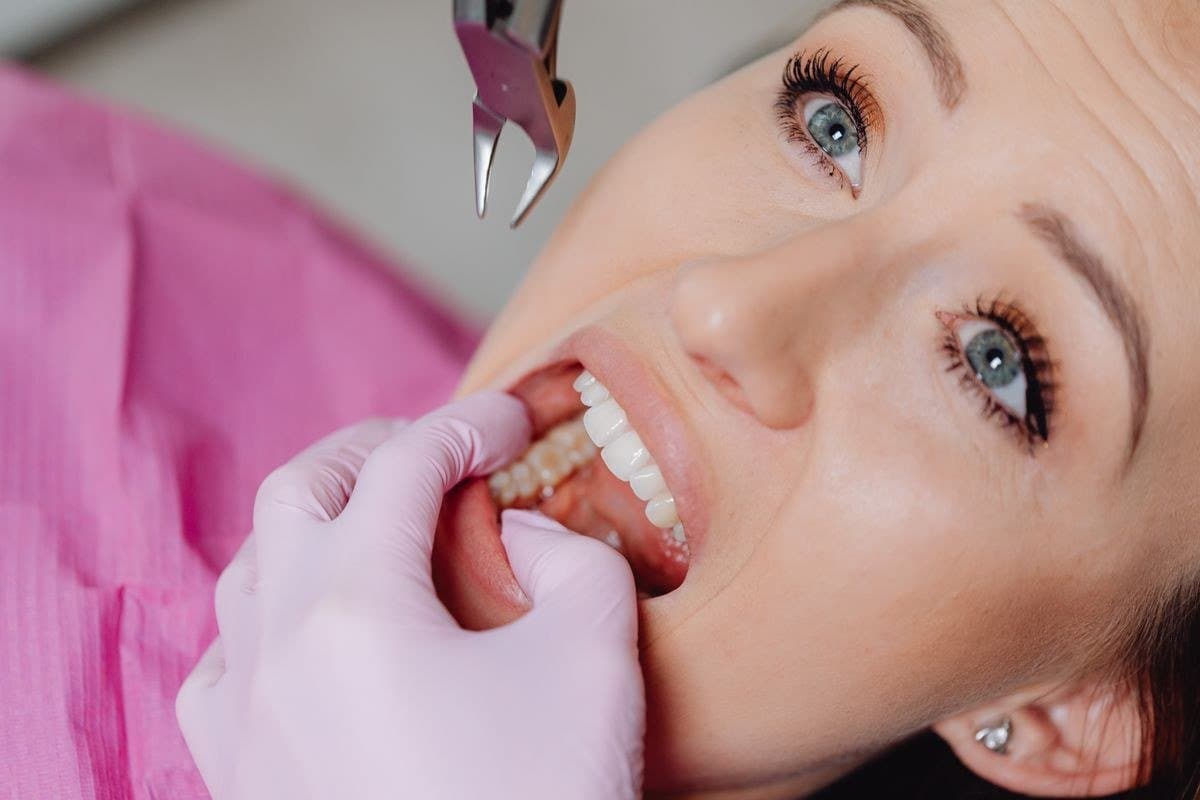
What Is Dry Socket (Alveolar Osteitis)? How to Prevent It
Dry socket is a painful condition that occurs after a tooth extraction when the blood clot in the wound is lost early and the underlying bone tissue is left exposed.
Read more