Spec. Dt. Gökcan ErtaşOrthodontist
 Dt. Sena KırcaDentist
 Dt. Sevinç Cansu KayıranDentist
 Assoc. Prof. Dr. Sezin ÖzerPediatric Dentist
 Spec. Dt. Sude Yıldırım BolatSpecialist in Periodontology
What happens if a decayed baby tooth is left untreated? It first shows itself as mild sensitivity or pain; over time, however, combined with the risk of infection, it can turn into a much more extensive problem. The problem is not limited to the mouth; it can also affect the child's nutrition, sleep, development and even the health of the permanent teeth that will come in later.
This picture does not progress at the same speed in every child; the depth of the decay, the position of the tooth and oral care habits determine the process. Still, the common point is this: decay noticed early is solved with a simple filling, whereas the same decay, if neglected, turns into a more complex and costly treatment process as the months go by. In this guide, we cover every stage of the process and the path parents can follow, step by step.
A situation frequently encountered in pediatric dentistry clinics is that parents notice decay only when a visible hole has formed. Yet the decay process begins while it is still a white or brown spot on the enamel surface, and decay noticed at this early stage can often be stopped with a fluoride application, without even needing a filling. This difference clearly shows why regular check-ups are so valuable.
Acting early when a suspicious sign is noticed is decisive for both the child's comfort and the health of the permanent teeth. The pediatric dentistry team at Dental Prime evaluates baby tooth decay at an early stage and creates a treatment plan specific to the child.
What Is a Decayed Baby Tooth?
Baby teeth shape a child's first experiences of chewing, speaking and smiling; they are temporary in appearance but extremely important functionally. The term decayed baby tooth refers to the enamel and dentin layers of these teeth gradually wearing away and losing tissue because of the effect of acid produced by bacteria.
Parents noticing this process early is most often possible through clues from the child; for this reason, paying attention to the general appearance of the teeth during daily brushing is a simple but effective habit.
Structure of Baby Teeth and Their Susceptibility to Decay
The enamel and dentin of baby teeth are noticeably thinner and less mineralized than those of permanent teeth. This structural difference sets the stage for the acids that cause decay to penetrate the tooth tissue much faster. At the same time, the pulp chamber in baby teeth is larger than in permanent teeth; this means infection can reach the nerve tissue in a shorter time.
In practice, this shows itself as follows: decay that progresses over years in a permanent tooth can reach the same depth in a baby tooth within only a few months. For this reason, having even the smallest sign of decay noticed in children evaluated without waiting prevents the need for more extensive treatment later.
In addition, the contact surfaces between baby teeth are closer to each other; this makes plaque buildup easier in areas that are hard to reach with floss and brush. Parents regularly checking these areas plays an important role in preventing decay from progressing unnoticed.
It is also known that tooth decay can show a familial tendency; in children whose parents have a history of heavy decay, it is recommended that preventive measures be applied at an earlier age and at more frequent intervals.
How Decay Forms
Bacteria naturally present in the mouth convert sugary and starchy food residues into acid. This acid dissolves the minerals in the tooth enamel and over time creates microscopic cavities that are hard to see. Because the process is painless at first, both the child and the parent generally do not notice this early stage.
As this untreated process advances, the decay first reaches the dentin layer and then the pulp, which houses the tooth's nerve and blood vessel tissue. Decay that reaches the pulp is the real starting point of pain, sensitivity and possible infection; after this stage, the problem is not expected to resolve on its own.
The amount and content of saliva are also decisive in decay formation; saliva neutralizes the acid in the mouth and contributes to the tooth's natural repair mechanism. Because saliva flow decreases during sleep, sugar residues left in the mouth overnight increase the risk of decay even more compared with daytime.
In some children, naturally weaker enamel is an additional factor that increases susceptibility to decay. In addition, the habit of putting a baby to sleep with a bottle can set the stage for a rapidly progressing type of decay, commonly seen especially in the front teeth and called baby bottle tooth decay; in this type of decay, more than one tooth can be affected at the same time.
Possible Consequences of Untreated Decay
The consequences of untreated decay are not limited to a single symptom; they usually progress as a series of problems that trigger one another. The headings below cover the three most common presentations of this process in the clinic.
Inflammation and Infection at the Root of the Tooth
When decay reaches the pulp, inflammation begins in the tissues at the root tip of the tooth. Bacteria can accumulate in this area and form a pus-filled focus of infection called an abscess. An abscess is a serious condition that affects the surrounding bone and soft tissue more than the tooth itself.
As the abscess progresses, swelling in the gum, marked tenderness to touch and, in some cases, a mild fever may be seen. When these symptoms are noticed, treatment should not be delayed and a dental evaluation should be made as soon as possible.
In some cases, an abscess may show itself without forming noticeable swelling, only as a slight color change or looseness in the tooth. For this reason, even if there is no major visible sign, the child's recurring complaints should be taken seriously.
Pain and Difficulty Chewing
Advanced decay produces a wide range of symptoms, from hot-cold sensitivity to a throbbing pain that interrupts sleep at night. Because of this pain, the child starts to avoid using the teeth on the affected side.
Difficulty chewing also changes eating habits over time; the child turns to softer, usually carbohydrate-heavy foods instead of hard and fibrous ones. This change can negatively affect both oral health and overall nutritional balance.
Pain is sometimes not limited to a single tooth and can also be felt as discomfort spreading to the jaw, ear or head area. Because children may not be able to describe this spreading pain clearly, restlessness during eating can be an important clue for the parent.
Risk of Infection Spreading to Neighboring Teeth
Untreated decay is not limited to its own tooth; bacteria can spread to neighboring tooth surfaces, the gum tissue and, over time, the jawbone.
This spread can cause a single cavity to turn over time into a chain of infection affecting more than one tooth. Early intervention is the most reliable and least invasive way to break this chain before it even starts.
Because the distance between baby teeth is narrower than between permanent teeth, decay in one tooth also physically touches the surface of the neighboring tooth more easily. This closeness increases the risk that a single untreated cavity will turn into multiple tooth decay in a short time.
Possible Damage to Permanent Teeth Caused by a Decayed Baby Tooth
Structural Defects in Permanent Tooth Eruption
Right beneath each baby tooth there is a permanent tooth bud that continues to develop. If an infection in the baby tooth is left untreated for a long time, this infection can directly affect the bud beneath it as well.
Under the effect of the infection, developmental defects such as permanent staining, discoloration or surface roughness may appear in the enamel of the permanent tooth. In dentistry, this condition is called Turner's tooth and is generally noticeable aesthetically as well.
The degree of impact varies with the severity of the infection and the age at which the baby tooth is lost. Infections experienced in the early stage of permanent tooth bud development generally cause more marked damage than those in later stages.
Although most of this kind of damage is irreversible, protective and cosmetic methods that reduce aesthetic concern after the permanent tooth erupts can be evaluated by the dentist.
Alignment Problems and Orthodontic Malocclusions
Baby teeth act as a natural space holder in the jaw until the permanent teeth erupt. A baby tooth lost prematurely because of decay causes neighboring teeth to drift toward the empty space.
This drift narrows the area where the permanent tooth beneath will erupt and sets the stage for crowding and bite problems. As a result, the child may need an orthodontic treatment that is longer and more extensive than expected later on.
In such cases, dentists may recommend special appliances called space maintainers to prevent the space from closing. A space maintainer preserves the existing space until the permanent tooth erupts and greatly reduces the orthodontic need that may arise later.
Systemic Health Consequences That May Occur After a Decayed Baby Tooth

This picture shows that dentistry is not a field limited to the mouth and is directly linked to the child's overall health; for this reason, pediatric dentistry evaluations generally also take the child's general developmental history into account.
Bacteremia Arising from an Oral Infection
A focus of infection that persists in the mouth for a long time can in some cases cause bacteria to enter the bloodstream; in medicine this condition is called bacteremia.
A healthy immune system usually brings these bacteria under control quickly. However, this risk may increase in widespread oral infections or those left untreated for a long time; for this reason, it is recommended that dental infections be followed under a dentist's supervision.
This issue is evaluated more carefully especially in children with a weak immune system or a chronic health problem. In such cases, the child's general health history should be shared with the dentist when dental treatment is planned.
Inadequate Nutrition and Developmental Problems
A painful tooth directly reduces the child's desire to eat and chewing capacity. Inadequate and unbalanced nutrition that develops over time can negatively affect the growth and development process.
Sleep patterns also take their share of this picture; recurring toothache at night lowers the quality of the child's rest. This can show itself the next day as fatigue, distractibility and a decline in school performance.
Long-term difficulty chewing can also cause the child to move away completely from certain food groups; fibrous foods such as meat, vegetables and fruit in particular may drop off the list during this process. This can turn into a nutritional problem that has become a habit even after dental health is restored.
Psychological and Social Effects a Decayed Baby Tooth Can Create
Fear of the Dentist and the Development of Anxiety
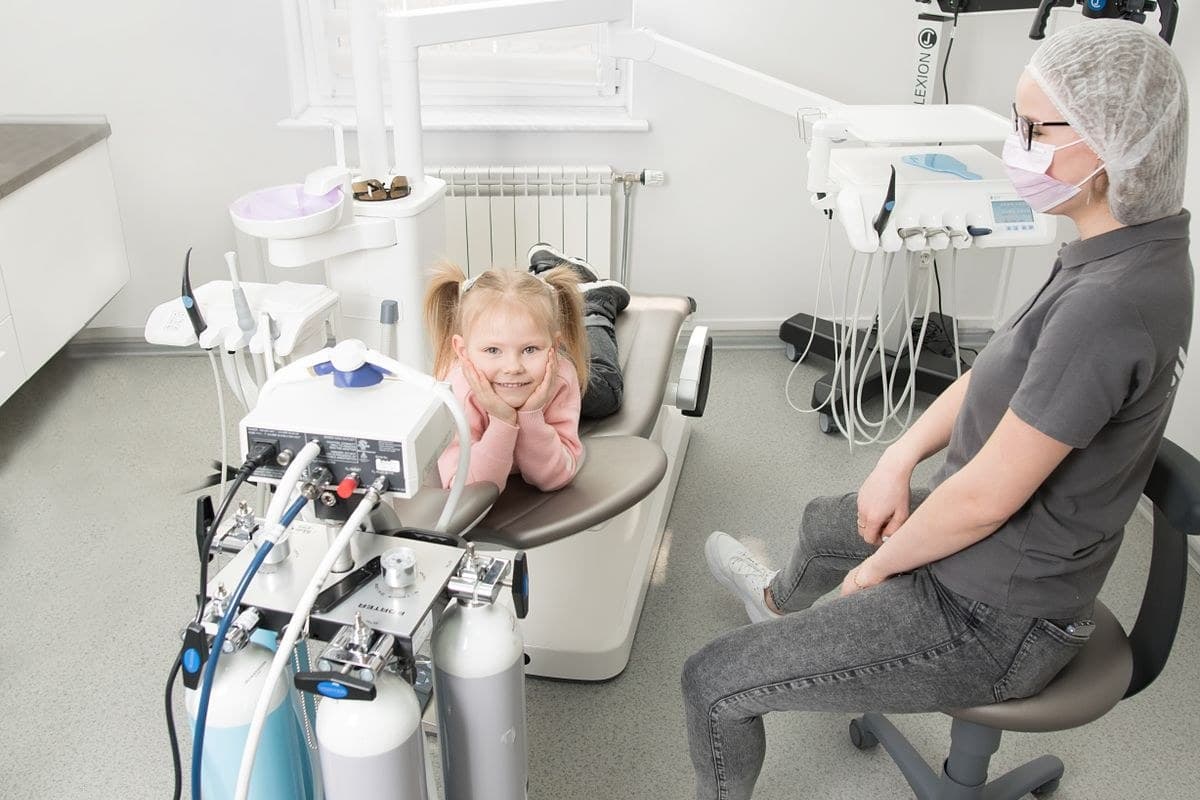
When a painful and urgent treatment process is the child's first encounter with the dentist, it can turn into lasting anxiety. This anxiety can persist long after the treatment is over.
In later years, this anxiety can lead to a tendency to postpone even routine check-ups. A positive and painless dentist experience at an early age is the most effective way to break this cycle from the start.
The behavior guidance techniques used in pediatric dentistry were developed precisely to reduce this anxiety. Approaches such as turning the examination into a game, introducing the instruments beforehand and proceeding in short steps help the child perceive the process as a safe experience.
The parent's calm and supportive attitude directly affects how the child perceives the treatment process; an anxious parental attitude can be passed on to the child without their noticing.
Effect on the Child's Social Life
Visible decay or discoloration, especially on the front teeth, can make the child hesitant to smile and speak. This hesitancy also affects how the child expresses themselves.
Bad breath and aesthetic concern can show themselves as staying in the background in peer relationships and low self-confidence. Over time, these effects can also limit the child's participation at school and in play.
These effects are not limited to the child alone; they can also cause tension in daily routines within the family. Reluctance at mealtimes or complaints of pain can become a source of stress for parents as well.
Treatment Options for a Decayed Baby Tooth
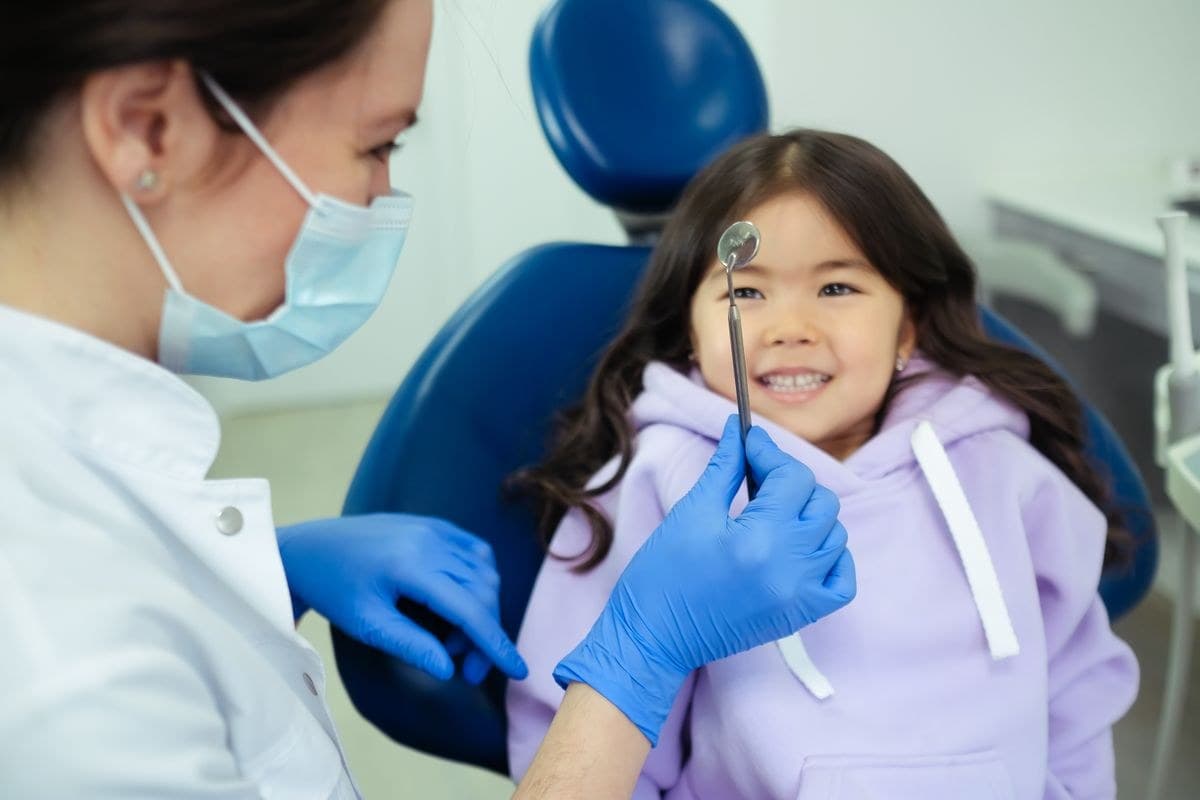
Treatment of baby tooth decay varies with the depth of the decay, the position of the tooth and the child's age. The dentist decides which method will be used after the examination and, when necessary, a radiographic evaluation.
Treatment Differences Between Front Tooth Decay and Molar Decay
Decay in the front teeth generally brings aesthetic concern with it; in this area, tooth-colored composite fillings or clear crown options made for children are preferred.
In molars, because the chewing load is much greater, highly durable filling materials or stainless steel crowns may come into play. The choice is made according to the remaining structure of the tooth and the extent of the decay.
In both cases, the treatment plan is not limited to eliminating the existing decay; the condition of neighboring teeth and overall oral hygiene are also included in the evaluation. This holistic approach helps prevent the same problem from recurring in a short time.
Criterion | Front Tooth Decay | Molar Decay |
|---|---|---|
Primary concern | Aesthetic appearance and speech | Chewing function |
Commonly used method | Composite filling, clear crown | Durable filling, stainless steel crown |
In an advanced case | Pulp treatment, space maintainer if needed | Pulpotomy or pulpectomy, space maintainer |
Preventive Filling and Root Canal Treatment
If the decay affects only the enamel and dentin, the tooth can be largely preserved with a preventive filling. This is the least invasive treatment method and the one children generally tolerate most comfortably.
When the decay reaches the pulp, root canal treatments known as pulpotomy or pulpectomy are performed. The aim is to keep the baby tooth in the mouth until the permanent tooth erupts so that it continues to act as a space holder.
Whichever method is applied, regular follow-up after treatment is of great importance. A baby tooth that has had a filling or root canal treatment should be monitored periodically until the permanent tooth erupts and supported with early intervention if necessary.
The success of these treatments depends largely on the stage at which the decay is noticed; a pulpotomy performed at an early stage is completed in a shorter time and improves the tooth's long-term prognosis compared with an advanced infection.
What Parents Should Do Before Treatment of a Decayed Baby Tooth Begins
When Is a Dental Examination Needed?
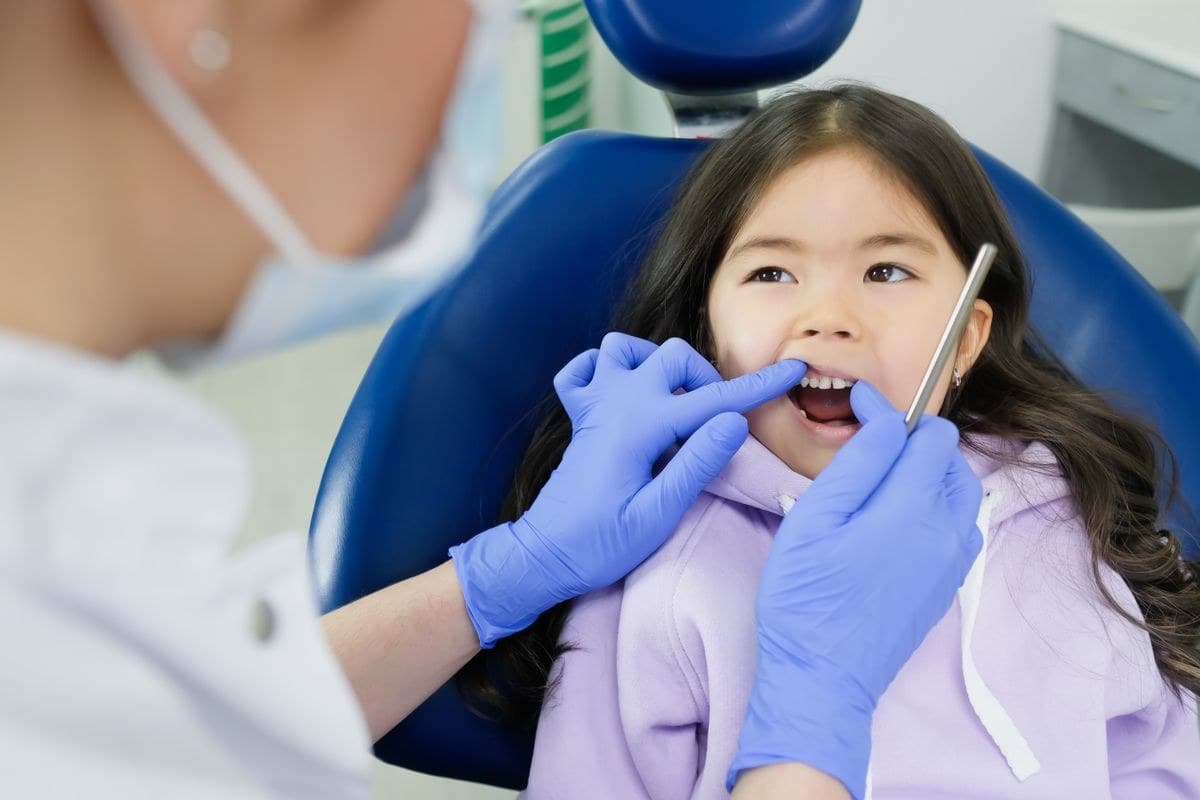
An appointment should not be postponed when tooth discoloration, sensitivity, swelling or a recurring complaint from the child is noticed. These symptoms indicate that the decay may already be at an advanced stage.
Even if there is no visible sign, a routine check-up every six months at a pediatric dentistry-focused center such as a pediatric dental clinic in Samsun is the most reliable way to catch decay while it is still at an early stage.
A child preferring to chew on one side, avoiding cold drinks, or complaining about a particular area while brushing are also early signs that should be watched carefully. Such small changes generally indicate that the decay is still at its initial stage.
Relief Methods That Can Be Applied at Home
To ease the pain before the examination, a lukewarm salt water rinse can be used; giving hard, sticky or very hot or cold foods to the affected area can be avoided.
Over-the-counter pain relievers should be used only on the advice of a doctor or pharmacist and with attention to the dose. These methods are not a substitute for treatment; they only provide temporary relief until the appointment.
Applying heat externally to the painful area is not recommended; this can sometimes increase the inflammation further. Instead, applying a light, cool compress to the cheek can provide temporary relief until the examination.
Explaining the process to the child in simple and calm language before the appointment significantly reduces the anxiety that may occur when entering the clinic; avoiding exaggerated or frightening expressions is especially effective at this point.
Ways to Prevent Baby Tooth Decay
 Daily Oral Hygiene Habits
From the moment the first tooth erupts, the habit of brushing twice a day with a soft-bristled brush and an age-appropriate amount of fluoride toothpaste should be established.
In young children, having brushing completed under parental control ensures that every surface of the teeth, especially the back surfaces of the molars, is cleaned effectively.
From the age of two, flossing can also be added to the routine; this step significantly reduces the risk of decay, especially in children whose food often gets stuck between the teeth. Teaching brushing and flossing in a playful way makes it easier for the habit to become permanent.
Replacing the toothbrush every three months, or earlier when the bristles are worn, is also important for maintaining hygiene effectiveness; a worn brush cannot clean the tooth surface sufficiently.
Controlling Sugar Consumption and Food Choices
The frequency of sugary snacks matters more than the amount; sugar consumed at frequent intervals throughout the day keeps the tooth enamel under almost continuous acid attack.
An eating pattern based on regular mealtimes and focused on fruit, vegetables and dairy products supports both overall health and dental health.
Sugary drinks increase the risk of decay even more, especially when consumed with a bottle or by constant sipping. Choosing water as the main drink is a simple but effective measure for both overall health and dental health.
Choosing homemade, low-sugar alternatives instead of packaged snacks raises overall nutritional quality and becomes a sustainable habit that supports dental health.
Regular Dental Check-Up Schedule
Even with no signs of decay, a dental check-up every six months allows possible problems to be noticed before they give symptoms.
Preventive measures such as fissure sealants and fluoride applications performed at a pediatric dental clinic in Samsun can increase baby teeth's resistance to decay.
It is recommended that the first dental visit take place shortly after the first tooth erupts, or at the latest at one year of age. This early introduction allows both the decay risk to be evaluated from the start and the child to get used to the dental setting.
Conclusion
What happens if a decayed baby tooth is left untreated can be answered in short as follows: a simple cavity can turn over time into a chain that extends to pain, infection, permanent tooth damage and even nutrition and developmental problems.
Most of these risks can be prevented with regular check-ups and timely intervention. A parent seeing a dentist at the first sign they notice is a decisive step for both the child's comfort and the health of the permanent teeth.
When it comes to a child's health, evaluation is always a safer choice than postponing; when a suspicious sign is noticed, one should not hesitate to get a dentist's opinion.
Most of the consequences covered in this article are largely preventable if a dentist is seen as soon as the decay is noticed; the real determining factor is how long the symptom is ignored.