


 Spec. Dt. Gökcan ErtaşOrthodontist
 Dt. Sena KırcaDentist
 Dt. Sevinç Cansu KayıranDentist
 Assoc. Prof. Dr. Sezin ÖzerPediatric Dentist
 Spec. Dt. Sude Yıldırım BolatSpecialist in Periodontology
A dental abscess is a serious oral health problem that forms as a result of a bacterial infection in the tooth root or surrounding tissues and is characterized by the buildup of pus. It usually comes with severe pain, tenderness, and swelling. If left untreated, the infection can spread to the surrounding tissues and the systemic circulation. Signs of a dental abscess include throbbing toothache, hot-cold sensitivity, swelling in the face and jaw area, and enlarged lymph nodes. In advanced cases, fever and fatigue may occur. The pain is usually constant and gets worse with pressure, and it noticeably lowers quality of daily life. The causes of a dental abscess are mostly untreated tooth decay, tooth fractures resulting from trauma, and advanced-stage gum disease. When bacteria reach the pulp tissue, infection develops and pus collects at the root tip. Poor oral hygiene and irregular dental checkups increase the risk. Treatment of a dental abscess aims to bring the infection under control and eliminate its source. Root canal treatment, drainage of the abscess, or, when necessary, tooth extraction may be performed. Antibiotic therapy is used as a supportive measure, and early intervention reduces the risk of complications.
What Is a Dental Abscess?
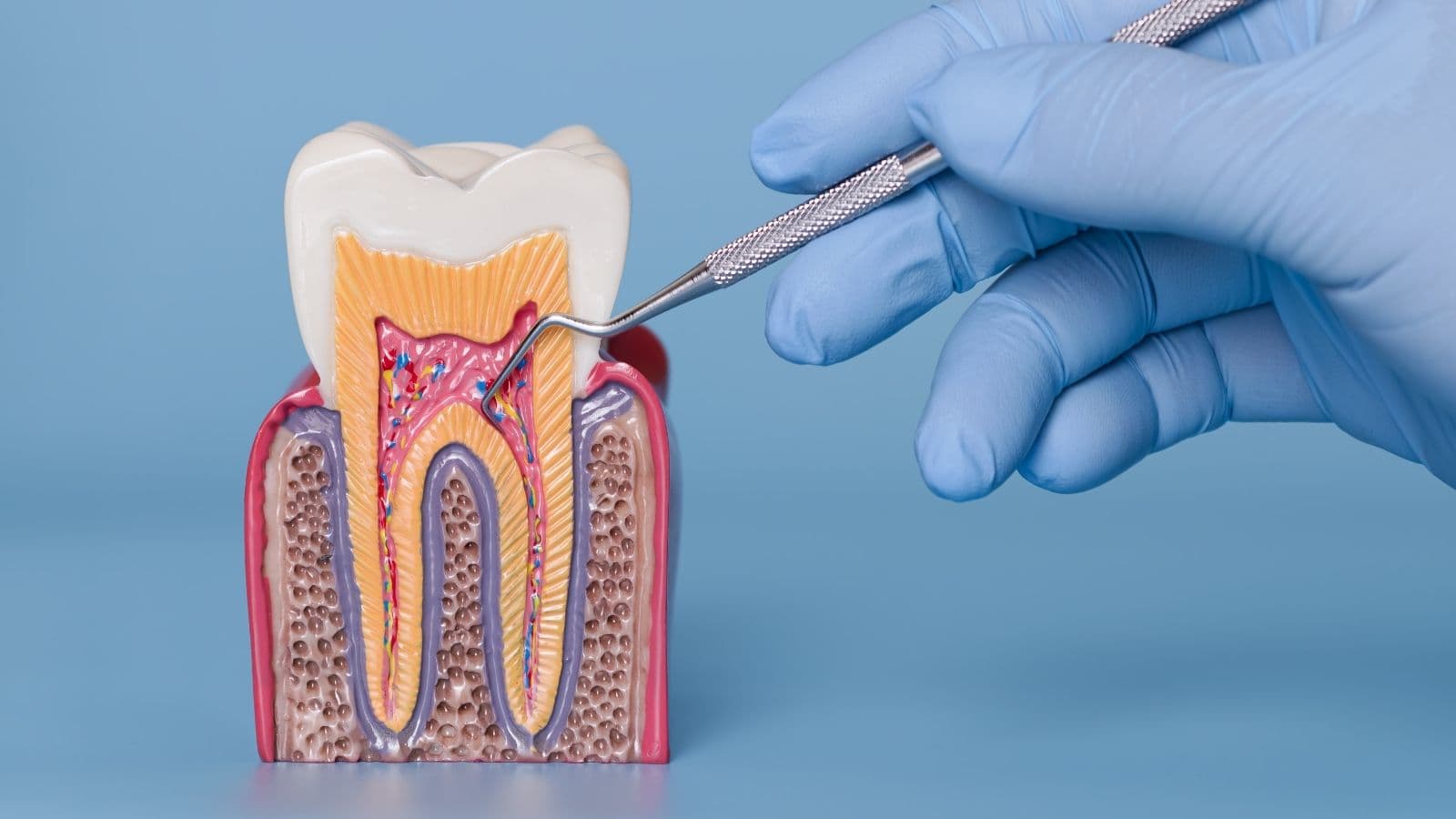
A dental abscess is defined as a small pus-filled sac that forms at the tip of the tooth roots or in the gums. This pus is the result of a bacterial infection and an indication of the body's mechanism for fighting infection. The infection can spread through the pulp inside the tooth (the soft tissue containing nerves and blood vessels) or through the gums. If left untreated, the infection has the potential to spread to the bone and even to other parts of the body. Dental abscesses usually appear as underlying problems such as inflammation of the dental pulp (pulpitis) or gum disease (periodontitis) progress. This begins with the multiplication of bacteria that reach the deepest parts of the tooth and leads to the buildup of pus, an inflamed fluid. This buildup creates pressure and causes severe pain. How an Abscess Forms The formation of a dental abscess usually consists of a series of steps. First, damage occurs to the tooth enamel or root. This damage allows bacteria to penetrate the inner structure of the tooth. As the bacteria multiply, the pulp of the tooth becomes inflamed. This condition is also called a root canal infection. If this infection is not treated, the bacteria reach the tip of the tooth root and begin to accumulate there. The body's immune system sends white blood cells to fight these bacteria. Pus forms as a byproduct of this fight. Pus consists of dead bacterial cells, white blood cells, and tissue debris. This pus collects in the bone cavity at the tip of the tooth root or in the space between the tooth and the gum. The accumulated pus presses on the surrounding tissues and causes severe pain and swelling. As the pressure increases, the pus tries to escape from a weak point, which can lead to the formation of a fistula (a drainage path for the abscess). This fistula can also cause a bad taste or odor in the mouth. In some cases, the pus can spread deep into the gums or to the jawbone, which can lead to more serious complications.
Types of Dental Abscesses
Dental abscesses are divided into two main types according to where and why they form:
Gum Abscess (Periodontal Abscess): This type of abscess occurs in the supporting tissues surrounding the tooth, that is, in the gums and bone. It is usually a complication of severe gum disease. It forms as a result of the deepening of gum pockets and the accumulation of bacteria. This abscess is related to an infection of the gum rather than of the tooth itself. Gum abscesses can appear as a noticeable swelling on the side of the tooth or near the gum line. They can often cause the tooth to loosen and the gum to bleed. Treatment involves cleaning the infected gum and eliminating deep gum pockets.
Tooth Root Abscess (Periapical Abscess): This type of abscess forms at the tip of the tooth root. It is usually caused by infection of the tooth's pulp due to decay, trauma, or previous dental treatments. Bacteria spread from the pulp into the root canal and from there to the bone at the tip of the tooth root. This abscess causes deep pain in the tooth itself and usually shows up as a swelling on or near the tooth. Tooth root abscesses can lead to bone loss and more serious infections if left untreated. Treatment usually requires root canal treatment or extraction of the tooth.
Apart from these two main types, infections that form under the gum and give no visible signs but progress may sometimes also be seen. These situations are encountered more often in people with weak immune systems or those with chronic conditions such as diabetes. The speed and severity with which the infection spreads can vary depending on the person's general health and the strength of their immune system.
Signs of a Dental Abscess
The most obvious and bothersome sign of a dental abscess is severe, throbbing toothache. This pain usually starts suddenly and increases over time. The pain can get worse with biting, chewing, or exposure to hot/cold stimuli. Tooth sensitivity in the painful area is also quite high. Sometimes the pain can spread to the ears, neck, or jawbone. This widespread pain is an indicator of how far the infection has spread to the surrounding tissues.
Pain and Sensitivity
A dental abscess most often shows itself with a sharp, throbbing, and constant pain. This pain is usually concentrated in the area of the infection but can sometimes spread to the jaw, neck, or ears. The pain increases especially while biting or chewing, because these movements put pressure on the abscess. The tooth itself also becomes extremely sensitive to touch. Even a light draft of air can trigger the pain. The intensity of the pain varies depending on the size and extent of the infection. In some cases, the pain can become unbearable and prevent the person from carrying out daily activities. Pain that does not respond to pain relievers may be a sign of a dental abscess. In addition to pain, tenderness and redness may also be seen in the gums in that area.
Swelling and Redness
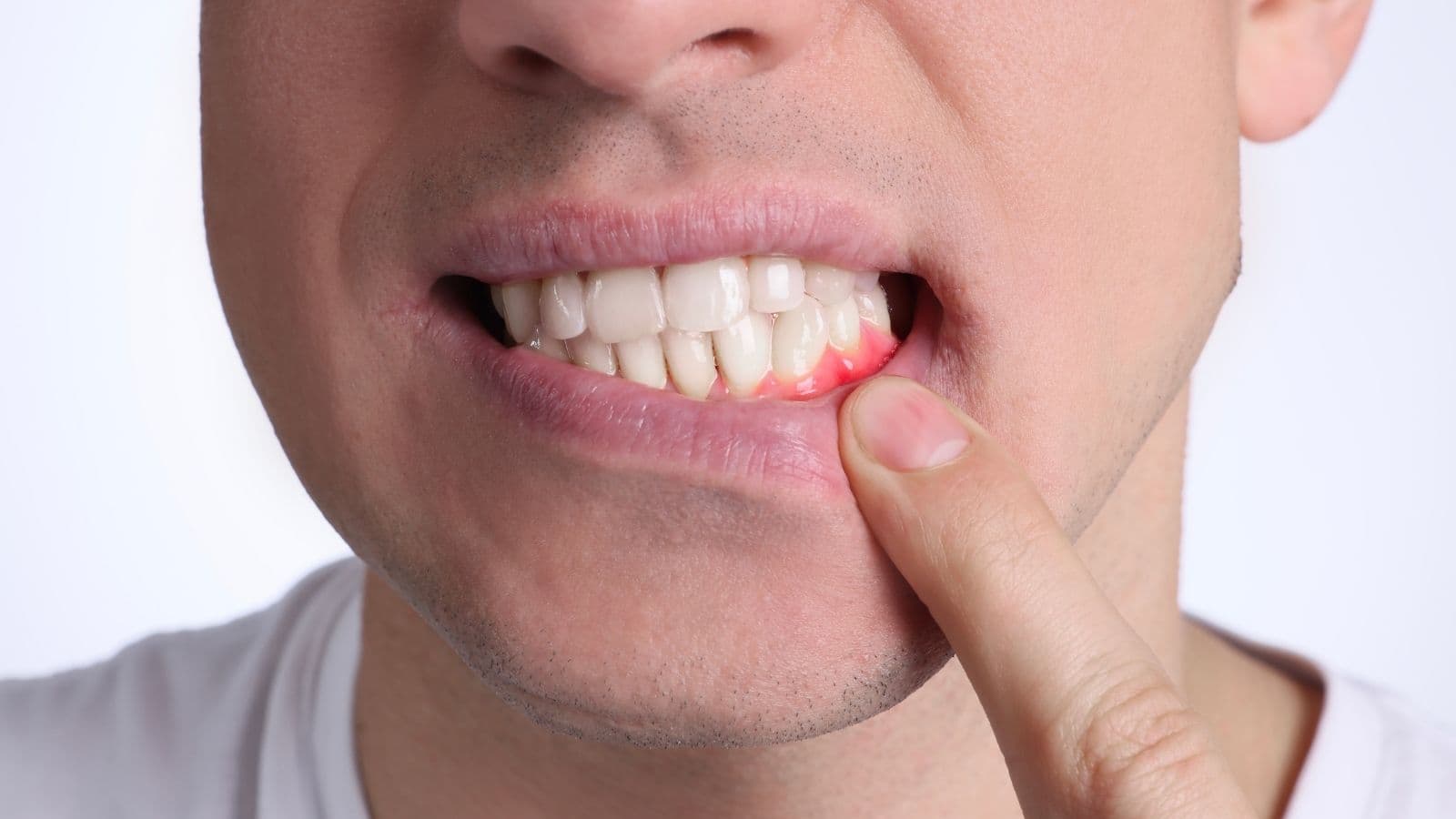
One of the signs of a dental abscess is swelling in the area of infection. This swelling usually begins in the gums around the tooth, but it can also be seen under the jaw, on the cheek, or on the neck. Swelling is a sign that the body's immune system is trying to bring the infection under control. The swollen area may be warm and tender. Inside the mouth, a small blister or pimple-like formation may be seen on the gum. This structure is called a fistula and is a channel that allows the pus to drain out. When the fistula bursts, a temporary feeling of relief may occur, but as long as the underlying infection continues, the problem recurs. Swelling becomes more pronounced especially when the infection begins to spread to the lymph nodes. Noticeable swelling in the face or neck may require urgent medical attention.
Other Signs
In addition to pain and swelling, a dental abscess can also show itself with the following signs:
Bad Taste or Odor in the Mouth: When a fistula forms or pus leaks into the mouth, a constant bad taste and smell may occur. This taste is usually metallic or bitter.
Fever: Fever may be seen as an indicator of the body's fight against the infection. A rise in fever may be a sign that the infection has become systemic.
Swollen Lymph Nodes: The lymph nodes in the neck may swell and become tender to fight the infection.
General Malaise and Fatigue: Severe infections can cause a general feeling of weakness, tiredness, and discomfort.
Difficulty Swallowing or Breathing: In rare cases, if the infection spreads to the neck or throat, difficulty swallowing or breathing may occur. This is a serious sign that requires urgent intervention.
These signs are an indication of how serious a dental abscess can be. If you experience any of these signs, it is important to see a dentist immediately. Early diagnosis and treatment significantly reduce the risk of complications.
Causes of a Dental Abscess
A dental abscess generally develops as a result of a bacterial infection of the teeth. The main source of this infection is neglected dental care and the emergence of various oral health problems. Tooth decay, dental trauma, and a weakened immune system are the main factors that play a role in the formation of an abscess.
Deep Tooth Decay
The most common cause of a dental abscess is untreated deep tooth decay. A small cavity in the tooth enamel progresses over time and reaches the pulp tissue inside the tooth. The pulp is a living tissue containing nerves, blood vessels, and connective tissue. When bacteria infect the pulp, inflammation and infection begin inside the tooth. If this infection spreads to the root tip, a tooth root abscess (periapical abscess) can form. Decay wears away the hard tissue on the surface of the tooth and sets the stage for bacteria to reach the deeper layers of the tooth. Excessive consumption of sugary foods and poor oral hygiene in particular cause decay to progress rapidly. This infection inside the tooth can spread over time to the bone at the root tip of the tooth and lead to the accumulation of pus there. As the depth of the decay increases, the likelihood of the infection reaching the pulp also increases. Pulp infection, if not treated, can cause the tooth to die and an abscess to form at the root tip. For this reason, regular dental checkups and early treatment are vital for preventing deep decay.
Dental Trauma and Fractures
Dental trauma resulting from blows to the teeth, falls, or accidents can also lead to an abscess. A tooth breaking, cracking, or being displaced can damage the pulp inside the tooth and create a path for bacteria to enter. Root fractures or trauma that damages the nerve of the tooth in particular increase the risk of infection over time. When a blow is taken, bacteria can easily enter through the root of the tooth or through cracks in the tooth and infect the pulp. This infection spreads to the root tip over time and turns into an abscess. Dental trauma is seen not only in children but also in adults while playing sports or in daily life. Changes in the color of the tooth (for example, bruising or darkening) can be a sign that the pulp has been damaged and increase the risk of an abscess. In such situations, seeing a dentist right after the trauma is important to prevent possible complications.
Gum Disease (Periodontitis)
Advanced gum disease, especially untreated periodontitis, can cause dental abscesses. Periodontitis is a serious infection that affects the gums and the bone supporting the tooth. As gum disease progresses, the gums separate from the teeth and spaces called gum pockets form. These pockets provide an ideal environment for bacteria to multiply. If these pockets deepen and are not cleaned, the infection can spread to the tooth root and lead to a gum abscess. Gum disease causes the bone around the teeth to wear away, which causes the teeth to loosen and makes it easier for the infection to spread. The progression of gum disease is directly related to the buildup of plaque and tartar. These deposits irritate the gums and lead to inflammation. Over time, this inflammation causes the gum pockets to deepen and the infection to spread to the bone. Gum abscesses usually form on the side of the tooth and may show up as a more widespread swelling.
Failed Root Canal Treatments
The failure of previously performed root canal treatments can also lead to the formation of an abscess. During root canal treatment, the infected pulp inside the tooth is cleaned out and the root canals are filled. However, if the root canals cannot be cleaned completely, if there are certain anatomical variations in the canal system, or if the canal becomes reinfected after treatment, the remaining bacteria can multiply and lead to an abscess. This can be seen especially in teeth with complex root canal anatomy or in cases where adequate hygiene could not be maintained during treatment. An abscess that develops after a failed root canal treatment usually shows itself with recurring pain and swelling in the area of the earlier treatment. In such cases, retreatment of the tooth or surgical methods such as apical resection may be required.
Other Factors
In addition to the main causes mentioned above, some other factors can also increase the risk of a dental abscess:
Weakened Immune System: Conditions such as diabetes, HIV/AIDS, chemotherapy, or the use of medications that suppress the immune system reduce the body's ability to fight infections and increase the risk of an abscess.
Lack of Oral Hygiene: Neglecting regular brushing and flossing leads to a buildup of plaque and tartar, increasing the risk of decay and gum disease.
Excessive Dryness of the Mouth (Dry Mouth): Saliva helps clean bacteria in the mouth. A decrease in the amount of saliva can increase the risk of infection.
Genetic Predisposition: Some people may have a genetic predisposition to tooth and gum diseases.
These factors can trigger the development of a dental abscess or cause an existing infection to progress faster. For this reason, it is important to pay attention to your general health and to practice regular oral care.
Dental Abscess Treatment Methods
Treatment of a dental abscess aims to eliminate the source of the infection, drain the pus, and prevent the infection from spreading. The treatment method is determined by the dentist according to the type and severity of the abscess and the patient's general health. The main goal of treatment is to completely eliminate the infection and restore the function of the tooth.
Drainage (Draining the Pus)
One of the first steps in treating a dental abscess is draining the pus in the infected area. This procedure is called drainage. The dentist makes a small incision in the area where the abscess is located so that the pus can flow out. This procedure reduces the pressure caused by the abscess and relieves the patient's pain. Drainage is also important to prevent the infection from spreading quickly. Sometimes, a small drain may be placed inside the abscess so that the pus is drained completely. This drain stays in place for a few days and allows the pus to keep draining out. The drainage procedure is usually done under local anesthesia and is relatively painless. After the procedure, keeping the area clean and following the doctor's instructions is critical to prevent the infection from recurring. In some cases, pus may drain spontaneously through a fistula, but this does not treat the underlying infection.
Antibiotic Therapy
In addition to the drainage procedure, the dentist usually prescribes antibiotic therapy to fight the infection. Antibiotics work by killing the bacteria that cause the infection or by preventing them from multiplying. Which antibiotic will be used depends on the type and severity of the infection. Antibiotics such as penicillin or amoxicillin are usually preferred, but different alternatives are offered to patients who are allergic to penicillin. It is very important that antibiotic therapy is applied as a full course; that is, all of the prescribed medication must be finished even if the symptoms have improved. Otherwise, the infection may not go away completely and antibiotic-resistant bacteria may develop. Antibiotics focus on treating the infection itself rather than relieving pain. For this reason, they are used together with pain relievers. The dose and frequency recommended by the doctor must be strictly followed.
Root Canal Treatment
If the abscess is caused by infection of the pulp inside the tooth, root canal treatment is usually the most effective treatment method. This treatment involves removing the infected or inflamed pulp tissue from inside the tooth. The dentist carefully cleans, shapes, and disinfects the root canals of the tooth. Then, the root canals are filled with a special material (usually gutta-percha) and the tooth is sealed. Root canal treatment eliminates the source of the infection and allows the tooth to be saved. This treatment prevents the extraction of the tooth and makes it possible to preserve the natural tooth. The success of root canal treatment depends on how far the infection has progressed and the overall condition of the tooth. The treatment is usually completed in several sessions and is performed under local anesthesia. After the treatment is completed, the tooth is usually restored with a filling or a crown.
Tooth Extraction
In some cases, a dental abscess may be so severe, or the tooth may be so badly damaged, that it is not possible to save the tooth. In such cases, tooth extraction may be the most suitable treatment option. Tooth extraction involves removing the infected tooth completely. This procedure eliminates the source of the infection and solves the problem at its root. Tooth extraction is usually performed under local anesthesia. After the tooth is extracted, the resulting gap can be restored with an implant, a bridge, or a removable denture, depending on the patient's wishes and situation. Tooth extraction is preferred especially when the tooth has suffered a great deal of structural damage, its roots are inflamed, or periodontal disease is in its advanced stages. The healing process after extraction usually takes a few days, and medications may be prescribed for pain control.
Surgical Intervention (Apical Resection)
If the infection continues despite root canal treatment, or a large cyst has formed at the tip of the tooth root, a surgical intervention called apical resection may be required. In this procedure, the dentist or oral surgeon reaches the tip of the tooth root through a small incision in the gum. The infected root tip and the inflamed tissue around it are removed. Then, the root tip is sealed with a special filling material and the area is stitched. Apical resection is an effective method for eliminating infection when root canal treatment is not sufficient. This procedure is preferred especially when cysts or infections at the root tip recur. The healing process after surgical intervention varies depending on the patient's general health and the complexity of the procedure. Such surgical procedures are usually performed under local anesthesia, but general anesthesia may also be required in some cases.
What You Can Do at Home and Precautions
Treatment of a dental abscess must absolutely be done by a dentist. However, there are some things that can be done at home to relieve pain and support healing during and after treatment:
Saltwater Gargle: Gargling with warm salt water several times a day can help clean the infected area and reduce inflammation.
Cold Compress: A cold compress applied to the outside of the cheek can relieve swelling and pain.
Pain Relievers: Over-the-counter or prescription pain relievers recommended by the dentist can be used.
Eating Soft Foods: Soft and lukewarm foods should be preferred so as not to increase pain while chewing.
Resting: Getting enough rest is important to help the body fight the infection.
Important Note: These home measures are not a substitute for professional medical treatment. They should be used only as a supportive measure. If you show signs of a dental abscess, it is vital that you see your dentist without delay.
Mistakes to Avoid
Some common mistakes made while dealing with a dental abscess can reduce the effectiveness of treatment and make the situation even worse. Avoiding these mistakes speeds up the healing process and minimizes the risk of complications.
Delaying Treatment
Delaying treatment when the signs of a dental abscess appear is one of the most common and most dangerous mistakes. Signs such as pain and swelling show that the body is fighting an infection. Ignoring these signs or trying to find a solution at home on your own can cause the infection to spread and lead to more serious health problems. The infection can spread to the bone, enter the bloodstream, and even lead to life-threatening conditions (for example, sepsis). The earlier you start treatment, the faster and smoother the recovery will be. Delay not only prolongs the pain, but can also lead to more complex and costly treatments. For example, a situation that could have been solved at the beginning with a simple root canal treatment may require extraction of the tooth because of the delay.
Relying Too Much on Pain Relievers
Relying too heavily on pain relievers to ease dental abscess pain is also a mistake. Pain relievers mask the pain temporarily but do not treat the underlying infection. This can cause a person to underestimate the seriousness of the infection and postpone seeking treatment. Pain relievers should be used only as recommended by the dentist and as part of the treatment process. Pain that returns or becomes more severe is a sign that the infection is continuing, and in this case you must see a dentist. Excessive use of pain relievers can also lead to other health problems such as stomach upset. Remember that pain is the body's mechanism for drawing attention to a problem, and suppressing this signal means allowing the problem to grow.
Irritating the Infected Area
Irritating the area with a dental abscess also negatively affects the healing process. Using a hard toothbrush or letting hot or cold foods and drinks come into direct contact with the infected area can cause the infection to spread further. In addition, touching the infected area or trying to squeeze it increases the risk of bacteria spreading to the surrounding tissues or the bloodstream. It is important to keep the infected area gently clean. Soft foods should be preferred over hard foods, and oral hygiene should be practiced as gently as possible. Trying to squeeze pus out of the infected area can cause the infection to spread to deeper tissues and the abscess to grow even larger. For this reason, such interventions must be strictly avoided.
Trying Self-Treatment Methods
Trying self-treatment methods heard on the internet or from people around you is extremely risky. For example, applying alcohol or other chemicals directly to the infected area can damage the gums and make the infection worse. Herbal remedies or homemade medicines are not scientifically proven and can be potentially harmful. A dental abscess is a serious bacterial infection and requires professional medical intervention. Self-treatment attempts delay the making of a correct diagnosis and cause the infection to progress. Any method applied without consulting a dentist can make the situation even more complicated. For example, while applying a hot compress can increase swelling in some cases, it may be helpful in others. For this reason, a specialist must be consulted to determine which method is suitable.
Preventive Measures and Oral Health
A dental abscess is a preventable condition. Good oral hygiene and regular dental checkups are the most effective ways to prevent an abscess from forming. A healthy mouth is also an important part of overall body health.
Regular Dental Checkups
Visiting your dentist regularly plays a critical role in protecting the health of your teeth and gums. Dentists can detect decay, gum disease, and other problems at an early stage. Early diagnosis makes treatment easier, less invasive, and more successful. Checkups, usually done every six months, include tartar removal and a detailed oral examination. At these checkups, your dentist evaluates not only current problems but also potential risks. For example, they may notice wear on your teeth, teeth clenching habits, or changes in the gum line. These early warning signs help prevent more serious problems in the future. Your dentist can also guide you on the most suitable oral hygiene techniques for you. These regular visits are one of the most important steps you can take to keep your teeth and gums healthy in the long term.
Effective Oral Hygiene Practices
Correct and regular oral hygiene practices are the foundation of preventing dental abscesses. Brushing your teeth at least twice a day with fluoride toothpaste cleans plaque and food residue. Using dental floss is indispensable for cleaning the surfaces between teeth that a toothbrush cannot reach. Tongue cleaning also helps reduce the amount of bacteria in the mouth. In addition, antibacterial mouthwashes can also be used after consulting your doctor. The main purpose of oral hygiene is to prevent harmful bacteria in the mouth from multiplying. Plaque is a film layer on which bacteria feed and which damages tooth enamel by producing acid. Regular brushing and flossing prevent the buildup of this plaque. Your dentist can show you the correct brushing technique and how to use floss. These simple but effective habits play a major role in preventing tooth decay, gum disease, and therefore dental abscesses.
Balanced Diet and Fluid Intake
A balanced diet and adequate fluid intake support overall oral health. Limiting the consumption of sugary and acidic foods reduces the risk of tooth decay. Drinking plenty of water prevents dry mouth and supports saliva production. Saliva neutralizes acids in the mouth and clears away bacteria. Fibrous foods help clean the teeth naturally. A healthy diet also strengthens the body's ability to fight infections. Vitamins such as vitamin C in particular are important for gum health. Fresh fruits, vegetables, and whole grains should be preferred over processed foods, sugary drinks, and snacks. Water is the best beverage because it does not harm the teeth and also keeps the body hydrated. For people who experience dry mouth, it may be recommended to consult their doctors and take measures that increase saliva secretion or use artificial saliva products.
The Effect of Smoking and Alcohol Consumption
Smoking and excessive alcohol consumption negatively affect oral health and increase the risk of a dental abscess. Smoking significantly raises the risk of gum disease and slows the healing process. Nicotine reduces blood flow to the gums and impairs the health of the tissues. Alcohol, on the other hand, can cause dry mouth and reduce the effectiveness of antibacterial mouthwashes. Smoking increases not only gum problems but also the risk of oral cancer. The chemicals in cigarette smoke damage the delicate tissues in the mouth and make them vulnerable to infections. Excessive consumption of alcohol can weaken the immune system and disrupt the bacterial balance in the mouth. For this reason, quitting smoking and limiting alcohol consumption are important for protecting oral health. Giving up these habits contributes significantly not only to oral health but also to overall body health.