Spec. Dt. Gökcan ErtaşOrthodontist
 Dt. Sena KırcaDentist
 Dt. Sevinç Cansu KayıranDentist
 Assoc. Prof. Dr. Sezin ÖzerPediatric Dentist
 Spec. Dt. Sude Yıldırım BolatSpecialist in Periodontology
Braces treatment is an orthodontic treatment method used to correct crowding, gaps, misalignment, and jaw mismatches in the teeth. Using brackets, wires, and various orthodontic appliances, the teeth are moved with controlled force and placed into their ideal positions over time.
The braces treatment process begins with an orthodontic examination and radiological evaluation. The specialist orthodontist analyzes the patient's jaw structure, tooth alignment, and bite relationship and creates a personalized treatment plan. According to the treatment plan, brackets are placed on the teeth and regular force is applied with archwires.
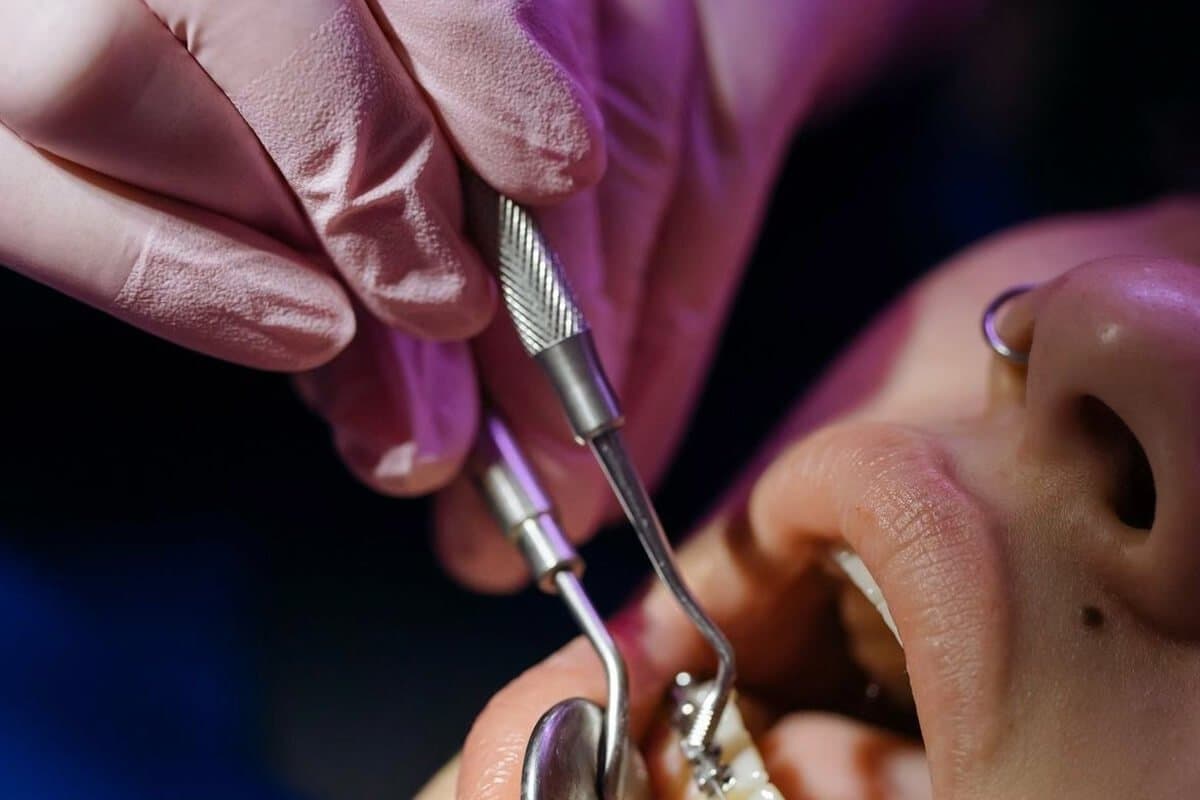
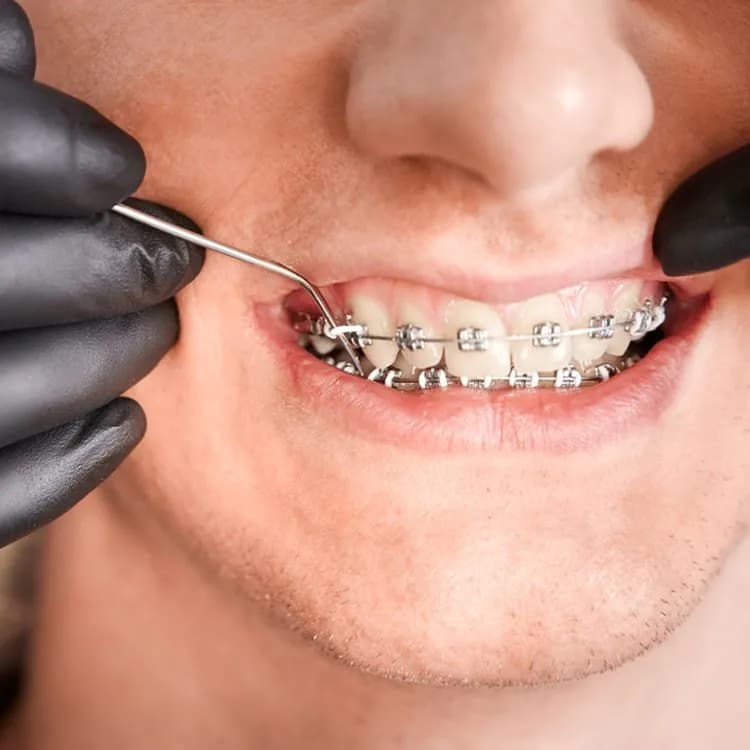
Orthodontic braces are applied through brackets bonded to the teeth and special wires that connect these brackets to each other. The wires are changed or adjusted at certain intervals so that the teeth move in the desired direction. This controlled biomechanical process creates planned movement on the tooth roots and surrounding tissues.
The duration of braces treatment generally varies between 12 and 24 months, depending on the patient's age, the degree of crowding in the teeth, and the jaw structure. Regular orthodontic check-ups are carried out throughout treatment, maintaining oral hygiene is important, and after treatment is completed, the permanence of the results is ensured with retainers.
What Is Braces Treatment?
Braces treatment is an orthodontic procedure that aims to achieve an aesthetic and functional smile by correcting the alignment of the teeth and jaws. This treatment is used to correct crowding, gaps, overbites, underbites, and many other alignment problems in the teeth. At the basis of treatment lies the principle of applying gentle and continuous force to the teeth to gradually move them to the desired positions. This force is transmitted through specially designed brackets (small pieces bonded to the teeth) and the archwires passed through these brackets.
The main goals of braces treatment are as follows:
Aesthetic Improvement: Its best-known purpose is to create a more aesthetic smile by correcting crooked or crowded teeth. This can significantly increase individuals' self-confidence.
Functional Improvement: Proper alignment of the teeth improves chewing function. It allows food to be broken down more effectively and helps the digestive system work more comfortably.
Correcting Speech Problems: Some speech difficulties can stem from misaligned teeth. Treatment can contribute to resolving such problems.
Making Oral Hygiene Easier: Crowded teeth are hard to clean, which leads to plaque buildup and dental diseases. Properly aligned teeth are cleaned more easily, which improves oral hygiene and overall dental health.
Protecting Jaw Health: Incorrect bites can cause pain and dysfunction in the jaw joint (temporomandibular joint - TMJ). Treatment helps prevent or treat such problems.
Preventing Tooth Loss: Problems such as an excessive or insufficient bite can place excess load on certain teeth and lead to tooth loss over time. Treatment reduces this risk.
The duration of braces treatment varies depending on the severity of the individual's orthodontic problems, their age, and their response to treatment. Treatment can generally last from 12 to 36 months. After treatment is finished, retention treatment (usually the use of a retainer) is necessary to maintain the teeth in their new positions. This is critically important for ensuring the permanence of the treatment.
Orthodontic treatments not only address aesthetic concerns but also make important contributions to individuals' overall health and well-being. A healthier mouth means better overall health. Braces treatment is an important part of this holistic approach.
How Is Braces Treatment Done?
How braces treatment is done is a topic that makes many people curious. This process is a multi-step journey that requires careful planning, precise procedures, and patient cooperation. Here is the general course of braces treatment:
Initial Examination and Diagnosis
The first step of treatment is a comprehensive examination with an orthodontist. In this examination, the orthodontist evaluates the general condition of your teeth, your jaw structure, your bite, and possible alignment problems. This evaluation generally includes the following:
Physical Examination: The orthodontist examines the physical condition of your teeth and jaws.
X-rays: Panoramic and/or cephalometric X-rays are taken. These films show in detail the position of the tooth roots, the jawbone structure, and the relationships between the teeth.
Photographs Inside and Outside the Mouth: Photographs are taken to document the starting condition of treatment and to compare the results after treatment.
Dental Models (Plaster or Scan): Impressions of your teeth are taken and models are created. Today this is usually done with digital scanners. These models offer a 3D representation of the teeth and are used in treatment planning.
In light of this data, the orthodontist creates the most suitable treatment plan for you. The type and severity of your problem, your age, and your expectations are taken into account.
Creating the Treatment Plan
After diagnosis and evaluation are complete, the orthodontist presents a treatment plan specific to you. This plan includes the following:
Treatment Goals: It states which teeth will be moved where and what is intended to be achieved.
Orthodontic Appliances to Be Used: It explains which treatment method will be used, such as metal brackets, ceramic brackets, lingual braces, or clear aligners.
Estimated Treatment Duration: An estimate is given of how long treatment will take.
Cost and Payment Plan: The cost of treatment and possible payment options are discussed.
Risks and Expectations: Information is given about the possible risks of treatment and the likelihood of success.
At this stage, do not hesitate to ask all your questions. Make sure you fully understand the treatment plan.
Placing the Brackets and Wires
After the treatment plan is approved, the process of bonding the brackets to the teeth begins. This procedure is generally painless.
Preparing the Teeth: The teeth are cleaned with a special cleaning solution and dried. This ensures that the brackets bond well.
Bonding the Brackets: Using a special orthodontic adhesive, the brackets are placed in the correct positions on each tooth. This adhesive ensures that the brackets hold firmly to the tooth surface.
Placing the Wire: A suitable archwire is placed into the slots in the brackets. This wire is generally tied to the brackets with thin wires or colored elastic ligatures.
This initial wire placement can take about an hour.
Regular Check-Ups and Adjustments
Braces treatment is not a one-time procedure; it requires going to regular check-ups.
Check-Up Frequency: You generally need to go for an orthodontist check-up every 4 to 8 weeks.
Adjustments: At these check-ups, the orthodontist changes or adjusts the wires. The force applied to the teeth is changed by using wires of different thickness and flexibility. This makes the teeth move in the desired direction.
Ligature Change: If elastic ligatures are used, these are also changed at these check-ups, and different color options are generally offered.
Hygiene Check: The orthodontist checks your oral hygiene and gives the necessary advice.
These regular adjustments move treatment forward and allow the teeth to gradually move to their correct positions.
Completing Treatment and Retention (Retainer)
When the teeth reach the desired position, the treatment process ends. However, this does not mean the work is over.
Removing the Brackets: The brackets are carefully removed with special instruments without damaging the teeth.
Cleaning and Polishing: Adhesive residue on the tooth surface is cleaned and the teeth are polished.
Retention Treatment (Retainer): Appliances called retainers are used to maintain the teeth in their new positions. Retainers can be fixed (thin wires bonded behind the teeth) or removable (clear aligners or wire appliances).
Retainer Use: How long and how often retainers will be used is determined by the orthodontist. They are generally used more often at first and less often later. This stage is vital for making the success of treatment permanent.
Every step of braces treatment requires patience and cooperation. Following your orthodontist's instructions and going to regular check-ups ensures that treatment is successful and efficient.
Methods and Materials Used in Braces Treatment
The methods and materials used in braces treatment have diversified and advanced significantly over the years. This variety makes it possible to find the most suitable option according to patients' needs, aesthetic preferences, and treatment goals.
Metal Brackets (Traditional Braces)
Metal brackets are one of the most commonly used and oldest orthodontic treatment methods. They are generally made of stainless steel.
Advantages:
Durability: They are quite sturdy and unbreakable.
Effectiveness: They can be used effectively in all orthodontic cases.
Cost: They are generally more economical than other aesthetic options.
Speed: In some cases they can give faster results than other methods.
Disadvantages:
Aesthetic Concerns: Because of their metallic appearance, they may not be aesthetically pleasing for some patients.
Comfort: They can cause irritation in the mouth, but this decreases over time.
Ceramic Brackets (Clear Brackets)
Ceramic brackets are made of tooth-colored or transparent materials. In this way they offer a more aesthetic look than metal brackets.
Advantages:
Aesthetics: Being tooth-colored makes them less visible.
Effectiveness: They are as effective as metal brackets.
Disadvantages:
Fragility: They are more fragile than metal brackets and require more careful handling.
Cost: They are generally more expensive than metal brackets.
Friction: Their friction with the wires can be somewhat higher, which may slightly lengthen the treatment time.
Ligatures: Clear elastic ligatures that can sometimes stain may be used.
Invisalign and Other Clear Aligners
Clear aligners are specially designed, removable plastic appliances. They are custom-made according to the measurements of the patient's teeth and are changed at certain intervals (generally every 1-2 weeks) so that the teeth move gradually.
Advantages:
Aesthetics: They are almost invisible, which makes them the most aesthetic option.
Comfort: They do not cause irritation in the mouth.
Removability: They can be taken out while eating and brushing the teeth, which makes oral hygiene easier.
Freedom to Eat and Drink: There are no restrictions.
Disadvantages:
Patient Compliance: Success depends on the patient wearing the aligners at least 20-22 hours a day. This requires discipline.
Cost: They are generally more expensive than metal brackets.
Complex Cases: They may not be as effective as traditional brackets in very complex tooth alignment problems.
Risk of Loss: Because they are removable, there is a risk of losing them.
Lingual Brackets
Lingual brackets are special brackets bonded to the inner surface of the teeth (the tongue side). In this way they cannot be seen from the outside.
Advantages:
Invisibility: They are completely invisible, which makes them one of the best options aesthetically.
Effectiveness: They are as effective as traditional brackets.
Disadvantages:
Comfort: Because they are on the tongue side, they can affect speech and tongue movements at first and can create a feeling of pricking the tongue.
Hygiene: Cleaning the inner surface of the teeth can be harder.
Cost: They are generally one of the most expensive treatment options.
Need for a Skilled Provider: They are harder to place and adjust and must be done by specially trained orthodontists.
Other Appliances and Technologies:
Damon System: These are self-ligating bracket systems. Clip-like mechanisms are used to hold the wires instead of elastic ligatures. By reducing friction, this can allow the teeth to move faster and more comfortably.
Orthodontic Mini Screws (Temporary Anchorage Devices - TADs): In some cases, these are small screws temporarily placed in the jawbone to move the teeth in a more controlled way.
Digital Scanning and 3D Modeling: Makes treatment planning and appliance production (especially for clear aligners) more precise.
When deciding which method is most suitable for you, it is important to discuss all of these options, their advantages, disadvantages, and costs in detail with your orthodontist.
Things to Pay Attention to During Braces Treatment
Braces treatment is not a process that ends at the orthodontist's clinic. The success of treatment depends largely on the care and cooperation the patient shows throughout treatment. Here are the important points you need to pay attention to:
Taking Maximum Care of Oral Hygiene
Braces can create suitable areas for plaque buildup around the teeth. For this reason, taking extra care of oral hygiene is vital.
Regular Brushing: At least twice a day, carefully brush your teeth and brackets using special orthodontic toothbrushes. Focus on the area around the brackets and the gumline.
Flossing: At least once a day, clean between your teeth with the help of orthodontic floss or interdental brushes. Take care to clean under the brackets and the areas between the wires and the teeth.
Mouthwash: Using an antibacterial mouthwash recommended by your dentist can support hygiene.
Professional Cleaning: Continue your routine dental check-ups and have professional teeth cleaning.
Eating Habits
Braces can make it hard to eat some foods and can damage the wires. For this reason, you need to pay attention to your eating habits.
Avoid Hard and Sticky Foods: Foods such as hard candies, nuts, popcorn, hard bread crusts, and chewing gum can damage the wires or cause brackets to come off.
Prefer Soft Foods: Prefer soft foods such as fruit, vegetables, yogurt, and soup.
Cut Up Hard Foods: Eat hard foods such as apples and carrots by cutting them into small pieces rather than biting into them.
Limit Sugary Foods: Sugary foods and drinks increase plaque buildup and raise the risk of decay. Limit your consumption and brush your teeth afterward.
Keeping Your Orthodontist Appointments
The success of treatment depends on going to regular check-ups.
Do Not Miss Appointments: Do not postpone or cancel your appointments. Every appointment is important for the progress of your teeth and for adjustments.
Listen to the Instructions: Listen carefully to the instructions your orthodontist gives and follow them.
Possible Discomforts and Their Solutions
Mild pain or a feeling of discomfort at the beginning of treatment and after wire adjustments is normal.
Pain Relievers: You can use over-the-counter pain relievers recommended by your doctor.
Mouth Sores: If the brackets or wires irritate the lining of the mouth, you can protect these areas by using orthodontic wax. This wax is available at pharmacies.
Broken Bracket or Wire: If a bracket comes off or the end of a wire pokes into your mouth, call your orthodontist right away. Do not try to intervene yourself.
Using a Retainer
After treatment is finished, using a retainer is mandatory to prevent the teeth from returning to their old positions.
Follow the Instructions: Learn from your orthodontist how long and how often you need to use your retainers and follow these instructions to the letter.
Cleaning: Clean your retainers regularly.
Protecting Against Loss: Keep your removable retainers in a safe case and take care not to lose them.
Braces treatment is a process that requires patience. The care you show during this process will both increase the success of treatment and allow you to achieve a healthier and more aesthetic smile.
After Braces Treatment
After braces treatment is successfully completed, the retention phase is critically important so that the aesthetic and functional results achieved remain permanent. The teeth have been moved to their new positions with the forces applied during treatment. However, these new positions are delicate because the teeth have a natural tendency to return to their old positions. Retention treatment aims to prevent this natural tendency.
The Importance of Retention Treatment
Teeth are constantly in motion. Factors such as aging, hormonal changes, changes in gum health, and even the pushing force of the tongue can cause the teeth to shift over time. The straight alignment achieved with orthodontic treatment can be affected by this natural tendency to move. Retention treatment guarantees the long-term success of treatment by ensuring the teeth are stabilized in their new positions. Without retention treatment, the teeth can generally return to their pre-treatment state.
Retention Appliances (Retainers)
The appliances used in retention treatment are divided into two main categories:
Fixed Retainers:
These are thin metal wires usually bonded behind the lower front teeth, or behind both the lower and upper front teeth.
Because they are bonded to the inner surface of the teeth, they cannot be seen from the outside.
They keep the position of the teeth continuously.
It is important to pay attention to oral hygiene, because brackets can make flossing difficult.
They should be checked regularly by the orthodontist and repaired if necessary.
Removable Retainers:
Clear Aligners (Essix retainers): Similar to the clear aligners used in Invisalign treatment, they are made according to the special measurements of the patient's teeth. They are generally separate for the upper and lower jaw.
Advantages: Aesthetic, comfortable, make oral hygiene easier. Disadvantages: Risk of loss, require patient compliance (should be worn at least 16-20 hours a day).
Hawley Retainers: They consist of an acrylic palate and a metal wire. The metal wire covers the front surface of the teeth and holds them in place. Advantages: Durable, adjustable, colorful designs can be chosen.
Disadvantages: The visibility of the metal wire; it may affect speech at first.
Duration and Use of Retention Treatment
The duration and frequency of use of retention treatment vary according to the patient's age, the complexity of the orthodontic problem treated, and the tendency of the teeth to move.
Initial Period: Immediately after treatment, during the first 6-12 months when the teeth have the greatest tendency to move, it is generally recommended that retainers be used full time (16-22 hours a day).
Second Period: After this critical period, retainers generally continue to be used at night when going to bed. This ensures the long-term maintenance of the positions of the teeth.
Lifelong Use: In some cases, especially if there is a marked tendency of the teeth to move, lifelong nighttime use of retainers may be recommended. Your orthodontist will determine the most suitable use protocol for you.
Long-Term Dental Health and Check-Ups
Retention treatment is only an extension of orthodontic treatment; it is an inseparable part of general oral health.
Regular Dental Check-Ups: Even while using a retainer, it is important to continue regular dental check-ups. Your dentist will check the overall health of your teeth, the condition of your gums, and the fit of your retainers.
Maintaining Oral Hygiene: If you have fixed retainers, take extra care with flossing. Clean your removable retainers regularly.
Retainer Care: If you notice a problem with your retainers (breakage, loosening, poor fit), contact your orthodontist immediately.
Although the retention process after braces treatment requires patience and discipline, it is indispensable for making the beautiful smile you have achieved last. Following your orthodontist's instructions during this process is the best investment for your long-term oral health and aesthetic smile.
Advantages and Disadvantages of Braces Treatment
As with every medical intervention, braces treatment has its own advantages and disadvantages. Understanding this balance will help you make an informed decision before starting treatment.
Advantages:
Aesthetic Improvement: Its most obvious advantage is creating a more aesthetic and attractive smile by correcting crooked, crowded, or gapped teeth. This can significantly increase individuals' self-confidence.
Functional Improvement: Proper alignment of the teeth improves chewing function. By allowing food to be broken down more efficiently, it makes digestion easier.
Improved Speech: Some speech disorders can stem from misaligned teeth. Treatment can help resolve such problems.
Easier Oral Hygiene: Properly aligned teeth are cleaned more easily with a toothbrush and floss. This reduces plaque buildup and lowers the risk of tooth decay and gum disease.
Protection of Dental Health: Bad bites can place excess load on certain teeth, causing them to wear down or break. Treatment eliminates such risks.
Improved Jaw Joint Health: Incorrect bites can lead to problems such as pain in the jaw joint, clicking sounds, and limited movement. Treatment helps resolve these problems.
Long-Term Oral Health: The straight alignment achieved after treatment and the improved hygiene mean a healthier mouth structure and fewer dental problems in the long run.
Increased Self-Confidence: Having an aesthetic smile increases an individual's self-confidence in social interactions and personal relationships.
Disadvantages:
Treatment Duration: Braces treatment generally takes a long time; on average it can vary between 1 and 3 years. This is a process that requires patience.
Cost: Orthodontic treatments, especially aesthetic options (clear aligners, lingual brackets), can be expensive. The cost varies according to the material used, the duration of treatment, and geographic location.
Comfort Problems: At the beginning of treatment and after wire adjustments, mild pain, sensitivity, and discomfort may be felt in the teeth and gums. Brackets can cause irritation in the mouth.
Oral Hygiene Difficulties: Braces make it harder to maintain oral hygiene. They require special brushing techniques and tools. Inadequate hygiene can lead to white spots on the teeth (demineralization), decay, and gum inflammation.
Dietary Restrictions: During treatment, it is necessary to avoid hard, sticky, and some other foods. This can be challenging for some patients.
Aesthetic Concerns (For Traditional Braces): Metal brackets can pose an aesthetic problem, especially for adults.
Necessity of Retention Treatment: Using a retainer after treatment is mandatory. Regular use of retainers is critical to prevent the teeth from returning to their old positions. This is an additional responsibility.
Potential Complications: Although rarely, complications such as tooth root resorption, gum recession, or brackets coming off can occur during treatment.
Before deciding on braces treatment, it is important to carefully evaluate these advantages and disadvantages, discuss all your concerns with your orthodontist, and determine the most suitable treatment option for you.