 Spec. Dt. Gökcan ErtaşOrthodontist
 Dt. Sena KırcaDentist
 Dt. Sevinç Cansu KayıranDentist
 Assoc. Prof. Dr. Sezin ÖzerPediatric Dentist
 Spec. Dt. Sude Yıldırım BolatSpecialist in Periodontology
Orthodontics is the branch of dentistry concerned with the diagnosis, prevention, and treatment of positional irregularities of the teeth and jawbones. Crowded teeth, bite problems, and jaw discrepancies make up the core field of orthodontics. Treatments aim to provide functional chewing, a correct bite, and an attractive smile.
Orthodontic treatment covers planned and controlled treatment methods used to correct crowding of the teeth and jaw relationship problems. Fixed braces, clear aligners, and functional appliances are the most commonly used orthodontic tools. The treatment process is determined according to the individual's age, tooth structure, and the severity of the problem.
An orthodontist is a dentist who has received specialty training in orthodontics after dental school and who evaluates tooth alignment and jaw harmony in detail. A personalized treatment plan is prepared using clinical examination, radiographic images, and measurements, with long-term oral health as the goal.
The treatment of orthodontic problems aims to improve not only aesthetic appearance but also oral functions. Properly aligned teeth increase chewing efficiency, make cleaning the teeth easier, and reduce the risk of gum disease. For this reason, orthodontics is considered an important part of preventive and functional dentistry.
What Is Orthodontics?
Orthodontics is the branch of dentistry concerned with the diagnosis, prevention, and treatment of crowding, alignment irregularities, and bite problems seen in the teeth and jaw structure. With the treatments applied in this field, the aim is to bring the teeth into the correct position, to arrange the jaw structure, and to improve oral functions. By using braces, clear aligners, and similar orthodontic appliances, both aesthetic appearance and oral health are supported.
What Does Orthodontics Treat?
Orthodontics focuses on a wide range of dental and jaw problems that go beyond visible aesthetic issues. Fundamentally, it examines the misalignments of the teeth with one another and of the jaws with one another. These misalignments are called "malocclusion" and can appear in different types. The main areas of interest of an orthodontist are as follows:
Dental Misalignments (Malocclusions)
Irregularities in the alignment of the teeth are the conditions orthodontics encounters most often. These include the following:
Crowding: This is a condition in which the teeth overlap or are arranged irregularly because there is not enough room in the jawbone for them. This situation causes aesthetic concerns and also makes cleaning the teeth difficult, increasing the risk of cavities and gum disease.
Spacing (Diastema): This is a condition in which there are larger than normal gaps between the teeth. These gaps are usually more noticeable between the front teeth and can cause problems such as a whistling sound during speech.
Crossbite: This is a condition in which one or more teeth close in reverse, where the upper teeth should completely cover the lower teeth. It can be on one side or both sides and can negatively affect jaw development.
Anterior Crossbite (Reverse Bite): This is when the front teeth (incisors) close with the lower ones in front and the upper ones behind. Besides spoiling the appearance, this can cause wear on the front teeth.
Deep Bite (Overbite): This is a condition in which the upper front teeth cover the lower front teeth excessively. This can cause the lower front teeth to damage the upper gum line or the palate and can cause wear on the lower front teeth.
Open Bite: This is a condition in which the front or back teeth do not touch each other when biting, that is, a gap remains between them. This seriously impairs biting and chewing functions and can affect speech.
Impacted Teeth: These are teeth that should have erupted within the jawbone but have not been able to for various reasons. The most common ones are wisdom teeth and canines. These teeth can damage the roots of other teeth or cause cyst formation.
Skeletal Discrepancies (Jaw Structure Problems)
Orthodontics is concerned not only with the position of the teeth but also with the relationship of the jawbones to one another and to the base of the skull. Skeletal discrepancies generally result from genetic predisposition and may require more complex approaches in treatment planning.
Lower Jaw Set Back or Forward (Mandibular Retrognathia/Prognathia): This is when the lower jaw is positioned further back or further forward than normal. This markedly affects the facial profile and can cause problems with biting functions.
Upper Jaw Set Back or Forward (Maxillary Retrognathia/Prognathia): This is when the upper jaw is positioned further back or further forward than normal. This also affects facial aesthetics and disrupts the bite of the teeth.
Asymmetry (Facial Asymmetry): This is when one side of the face or jaws is more developed or less developed than the other. This can lead to temporomandibular joint (TMJ) problems and chewing disorders.
Vertical Dimension Anomalies: This is when the vertical dimension of the face is longer than normal (long face) or shorter (short face). This affects the bite and aesthetics of the teeth.
Functional Problems
Orthodontic problems are not limited to aesthetic concerns; they also directly affect oral functions.
Chewing Difficulties: Misalignment of the teeth makes it harder to break down food effectively. This can lead to digestive problems and poor nutrition.
Speech Disorders: Gaps in the front teeth in particular, crossbites, or missing teeth can cause speech errors such as lisping.
Jaw Joint (TMJ) Problems: Misaligned bites create abnormal stress on the jaw muscles and joints and can lead to TMJ problems such as pain, clicking sounds, and limited movement.
Mouth Breathing: Especially when the upper jaw is narrow or set back, structural problems that obstruct nasal breathing can cause mouth breathing. This can negatively affect facial development.
Effects of Bad Habits
Habits such as prolonged pacifier use or thumb sucking and tongue thrusting during childhood can abnormally affect the development of the teeth and jaws. Orthodontics also treats the problems caused by these habits.
Effects on Oral and Dental Health
Orthodontic treatment not only provides aesthetic and functional improvements but also protects long-term oral health.
Reducing the Risk of Cavities: Well-aligned teeth make brushing and flossing easier. This reduces plaque buildup and lowers the risk of tooth decay.
Preventing Gum Disease: Properly aligned teeth help the gums stay healthier. Because there is more plaque buildup in crowded teeth, the risk of gum inflammation (gingivitis) and gum recession (periodontitis) increases. Orthodontic treatment reduces this risk.
Preventing Tooth Loss: Problems such as crossbites or excessive wear can lead to tooth loss over time. Orthodontic treatment eliminates such risks.
To diagnose, plan the treatment of, and treat these complex problems, orthodontics uses advanced diagnostic methods such as a detailed examination, X-ray analyses, dental models, and sometimes cone beam computed tomography (CBCT). The treatment plan is created individually according to the patient's age, the severity of the problem, and individual needs.
Who Should Have Orthodontic Treatment?
Orthodontic treatment can be beneficial not only for individuals with aesthetic concerns but also for anyone who wants to improve oral health and function. In general, people in the following groups are suitable for an orthodontic evaluation:
Children and Adolescents
One of the most important benefits of orthodontic treatment in children is that intervention can be made during the period when jaw development is active. Treatments performed during this period can prevent more complex and longer-term treatments.
Early Diagnosis and Preventive Treatments: A first orthodontic examination at around age 7 helps detect potential problems early. Preventive treatments such as breaking habits like thumb sucking, timely extraction of baby teeth, or using a space maintainer when baby teeth are lost can keep bigger problems from developing later.
Growth Modification: When the lower or upper jaw is set back or forward, it is possible to guide the jaws into the correct position while there is still growth potential. Such treatments can eliminate the need for surgical intervention later.
Correcting Dental Crowding: Crowding becomes more noticeable during adolescence as the permanent teeth come in. This period is the ideal time to move the teeth.
Resolving Functional Problems: Functional problems such as crossbite can negatively affect jaw development in children. Early intervention supports normal development by resolving these problems.
Adults
There is no age limit for orthodontic treatment. Adults can also benefit greatly from orthodontic treatment.
Addressing Aesthetic Concerns: Adults may turn to orthodontic treatment to have a more attractive smile, close gaps between the teeth, or achieve a generally more pleasing facial profile.
Improving Oral Health: Crowded teeth also increase the risk of cavities and gum disease in adults. Orthodontic treatment protects oral health by reducing these risks.
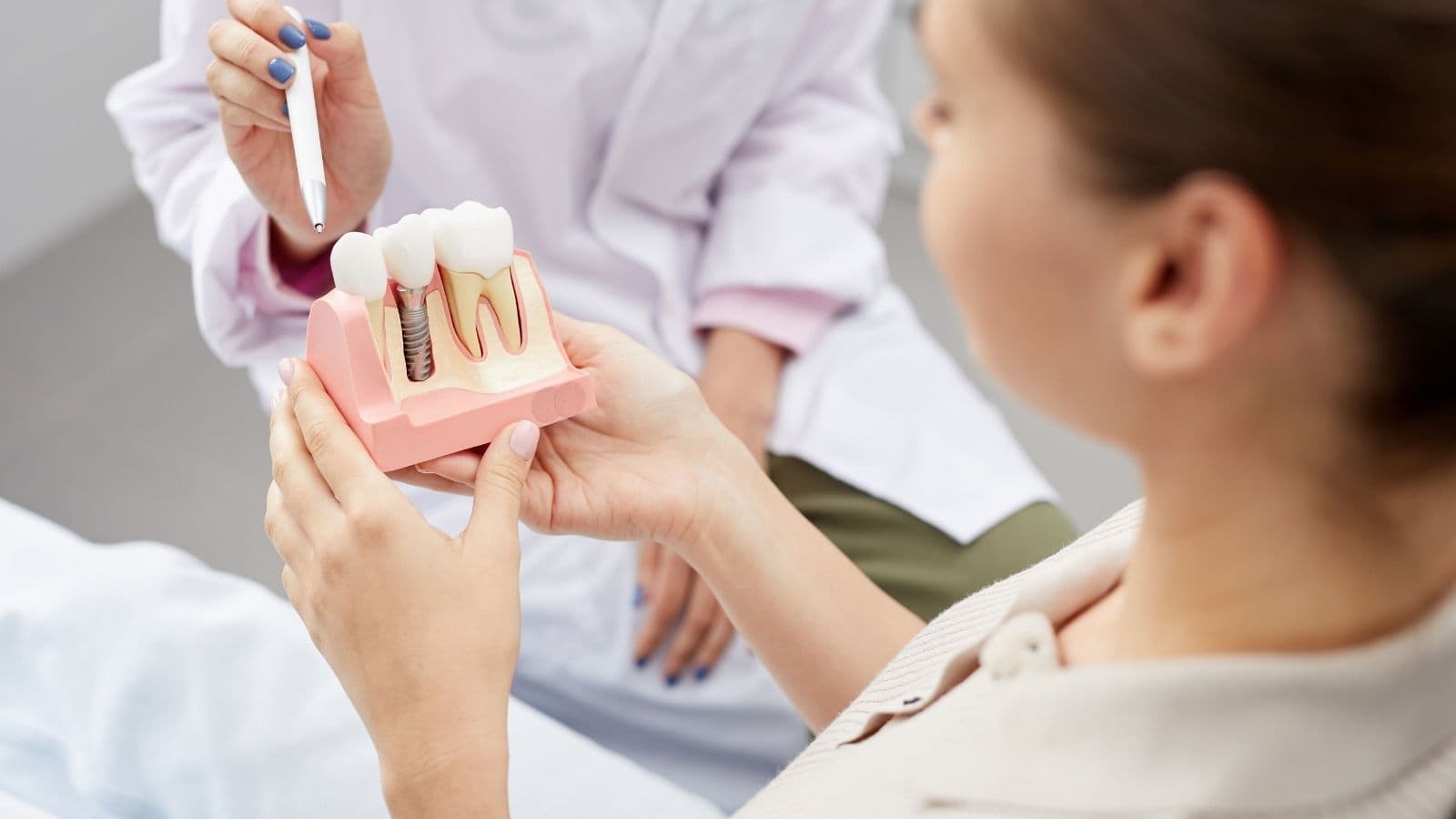
Preparing for Restorative Dentistry: If implants or bridges are planned to replace missing teeth, bringing the teeth into the correct position increases the success of these treatments. It allows the prostheses to fit better.
Relieving Jaw Joint (TMJ) Problems: Jaw joint pain and problems caused by a misaligned bite can be relieved with orthodontic treatment.
Supporting the Treatment of Gum Disease: In adults with gum disease, properly aligned teeth can help improve gum health and help the gums respond better to treatment.
Special Cases
Some special cases may also require an orthodontic evaluation:
Congenital Anomalies: In individuals with congenital anomalies such as cleft lip and palate, orthodontic treatment is critically important for ensuring the correct development of the jaws and teeth.
Post-Trauma Conditions: Tooth or jaw loss resulting from facial trauma can be corrected or improved with orthodontic treatments.
Tooth Loss: Orthodontic treatment may be needed for better placement of the implants or prostheses that will replace teeth lost due to trauma, cavities, or gum disease.
Before deciding on orthodontic treatment, talking with an orthodontist is important for understanding the treatment options best suited to your individual situation and your expectations. The specialist will make a diagnosis specific to you and create your treatment plan.
Why Is Orthodontics Important? What Are Its Benefits?
Orthodontic treatments offer far more than just an attractive smile. These treatments have profoundly positive effects on oral health, general health, and quality of life. We can list the importance of orthodontics and the benefits it provides as follows:
Improved Oral Hygiene and Reduced Health Risks
Easier Cleaning: Well-aligned teeth make brushing and flossing easier. Reaching every surface of the teeth becomes simpler. This significantly reduces plaque buildup.
Reduced Risk of Cavities: Reduced plaque buildup lowers the activity of bacteria that attack tooth enamel. As a result, the risk of developing cavities decreases. Plaque left between or behind the teeth in particular can cause cavities to stay hidden; proper alignment eliminates this risk.
Prevention of Gum Disease: Gum diseases (gingivitis and periodontitis) are the primary result of plaque and tartar buildup. By helping the teeth stay cleaner, orthodontic treatment reduces the risk of gum inflammation and of periodontitis, which can lead to tooth loss. Healthy gums extend the life of the teeth.
Prevention of Tooth Wear: Problems such as crossbites or deep bites can cause the teeth to rub against each other at abnormal points. This can lead to excessive wear of the tooth enamel and tooth sensitivity. Orthodontic treatment prevents this wear by bringing the teeth to the correct contact points.
Improved Chewing and Digestive Functions
Effective Chewing: Proper closing of the teeth allows food to be ground effectively. This is the first step of the digestive process and helps the body absorb nutrients better.
Supporting the Digestive System: Not chewing food enough can make the stomach and intestines work harder. This can lead to indigestion, gas, and other digestive problems. Orthodontic treatment eases the digestive system by increasing chewing efficiency.
Improved Speech
Clear Pronunciation: The teeth, especially the front teeth, play an important role in correctly producing certain sounds such as 's', 'f', and 'v'. Gaps in the teeth (diastema), crossbites, or missing teeth can cause problems such as whistling sounds or lisping during speech. Orthodontic treatment improves speech clarity by correcting these dental arrangements.
Reduced Jaw Joint (TMJ) Problems and Pain
Balanced Bite: The jaw joint (temporomandibular joint - TMJ) allows the lower and upper jaws to work in harmony. An abnormal bite of the teeth causes an unbalanced distribution of force on the jaw muscles and joint. This can lead to TMJ problems such as jaw joint pain, headache, ear pain, neck pain, and limited jaw movement.
Pain Control: Orthodontic treatments reduce abnormal stress on the TMJ by helping the jaws and teeth establish a more balanced bite relationship. This helps relieve the related pain and discomfort.
Increased Confidence and Social Communication
An Attractive Smile: Crooked or gapped teeth are a source of aesthetic concern for many people. A straight and harmonious smile increases a person's self-confidence.
Social Interaction: Individuals whose self-confidence increases can communicate more comfortably in social settings. Not being shy about smiling helps create a more positive social image. This can have positive effects in both personal and professional life.
Long-Term Protection of Oral and General Health
Extending the Life of the Teeth: Proper alignment of the teeth and healthy gums extend the life of the teeth. This reduces the risk of tooth loss in later years and means less need for restorative dental treatment.
Link to General Health: There is a strong connection between oral health and general body health. Gum diseases have been associated with systemic diseases such as heart disease, diabetes, and respiratory infections. Orthodontic treatment that improves oral hygiene can also help reduce these indirect health risks.
Improving Jaw Structure (Especially in Children)
Growth Modification: Orthodontic treatments performed during childhood and adolescence can correct abnormalities in the jaw structure by using the natural growth potential of the jawbones. This can reduce or eliminate the need for surgical intervention later.
The benefits of orthodontic treatment significantly improve an individual's quality of life both physically and psychologically. For this reason, consulting a specialist when orthodontic problems are present is an important step for long-term health and well-being.
Orthodontic Treatment Methods
Orthodontic treatments differ according to each patient's specific needs and the severity of the problem. The goal is to bring the teeth and jaws into the correct position and achieve both aesthetic and functional improvement. The main treatment methods used today are as follows:
Fixed Orthodontic Appliances (Braces)
This is the most common type of treatment, using brackets bonded to the teeth and wires that connect these brackets to one another.
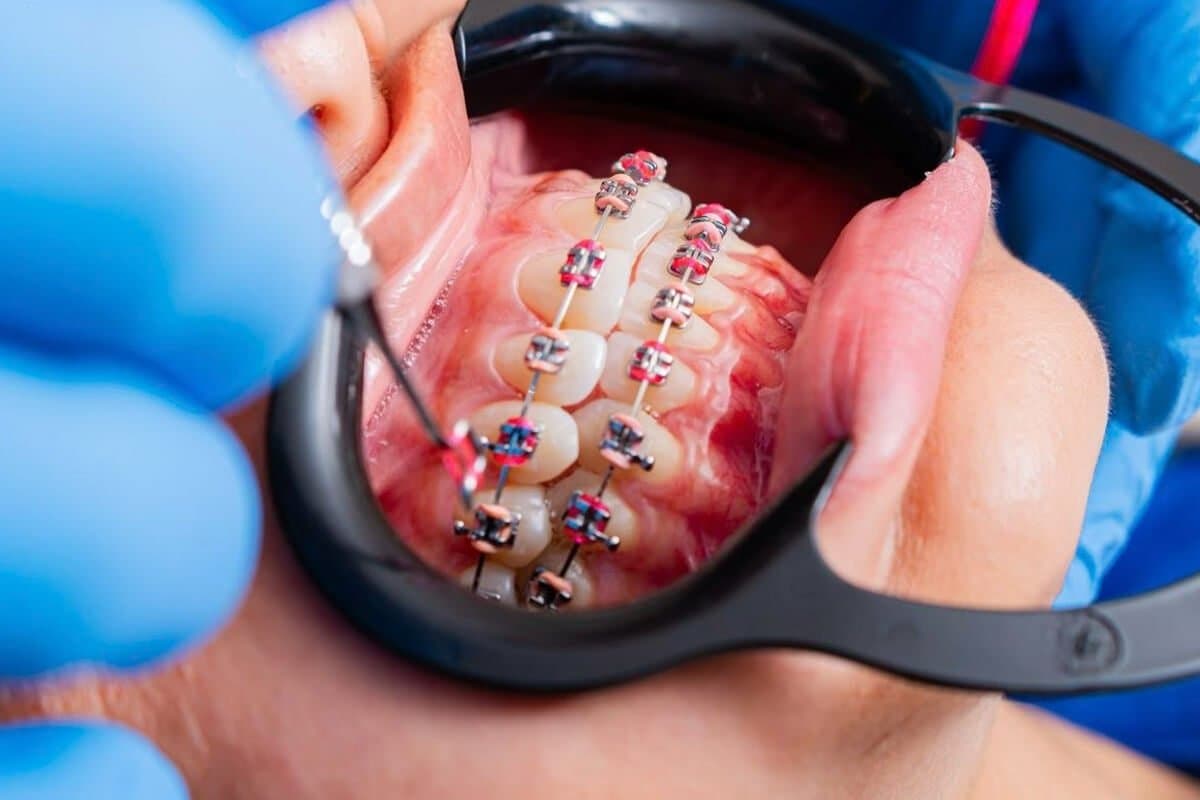
Metal Brackets: This is the traditional and most durable option. They are small metal pieces (brackets) bonded to the teeth and connected to one another by a special wire (archwire). The wire is attached to the brackets with elastic 'o-rings' or metal ligatures. This system applies a controlled force to the teeth, moving them into the desired position over time.
Advantages: Effective, durable, and generally more affordable. Disadvantages: Because they are visible, they can create aesthetic concerns, and when first placed they can cause temporary discomfort with speaking and eating habits.
Porcelain (Ceramic) Brackets: Because they are tooth-colored or clear, they are a more aesthetic alternative to metal brackets. They are especially preferred by adult patients.
Advantages: More aesthetic, suitable for people with metal allergies. Disadvantages: They can be slightly more fragile than metal brackets, and their cost is generally higher.
Clear Aligners (Invisalign, etc.): Unlike traditional braces, this method uses removable, clear plastic aligners custom made for the individual. Patients switch to a new set of aligners at certain intervals (usually every 1-2 weeks). Each aligner is designed to produce a slight movement in the teeth.
Advantages: They are nearly invisible, being removable makes cleaning easier, they impose no restrictions when eating or speaking, and they may require fewer dental visits. Disadvantages: Patient compliance is critical (the aligners must be worn at least 20-22 hours a day), they may not be as effective as traditional braces in complex cases, and their cost may be higher than metal brackets.
Removable Orthodontic Appliances
These appliances are devices that the patient can put in and take out on their own. They are generally used in children who are still growing.
Retention Appliances (Retainers): They are used in the final stage of orthodontic treatment to ensure the teeth stay in their new positions. They can be fixed (a thin wire bonded behind the teeth) or removable (similar to clear aligners). Regular and long-term use is essential for the success of the treatment.
Functional Appliances (Growth Modifiers): They are used in children while there is growth potential, generally when the lower or upper jaw is set back or forward. By guiding the jaws into the correct position, they help correct skeletal discrepancies. Examples include the Twin Block and Frankel appliances.
Palatal Expansion Plates: They are used to widen the upper jaw, especially when the upper jaw is narrow. These appliances, which contain an expansion screw, are slowly expanded to resolve the narrowness of the jaw.
Surgical Orthodontics (Orthognathic Surgery)
In serious skeletal discrepancies, orthodontic treatment alone may not be sufficient. In these cases, orthodontic treatment is combined with surgical intervention.
Orthognathic Surgery: This treatment is a surgical procedure performed to correct the position of the jawbones. It is generally applied together with orthodontic treatment. First, the teeth are aligned with orthodontic appliances, then the jawbones are brought into the desired position with surgery, and finally the orthodontic treatment is completed and the final bite is adjusted.
Areas of Application: It is used in situations such as the lower jaw being too far forward or back, underdevelopment of the upper jaw, and facial asymmetries. This treatment can dramatically improve chewing function, speech, and facial aesthetics.
Tooth Extraction
In some cases, tooth extraction may be necessary to create room so that the teeth can be aligned properly. It is preferred especially in severe crowding or when the jaw is small relative to the teeth. The orthodontist carefully determines which teeth need to be extracted.
How Does the Treatment Process Work?
Initial Examination and Diagnosis: The orthodontist performs an oral and dental examination. When deemed necessary, X-rays (panoramic, cephalometric), dental models (impressions), and photograph analyses are made. The type and severity of the problem and the patient's general health are evaluated.
Treatment Planning: According to the diagnostic results, a patient-specific treatment plan is created. This plan includes information such as the type of appliance to be used, the estimated treatment time, and the cost.
Appliance Placement: The chosen orthodontic appliance (wires, clear aligners, etc.) is applied in the mouth.
Follow-Up Appointments: Throughout the treatment, check-ups are attended at regular intervals (usually every 4-8 weeks). At these appointments, the appliances are adjusted, wires are changed, or new sets of aligners are given.
Completion of Treatment: When the teeth reach the desired position, the appliances are removed.
Retention: Retention appliances are used to ensure the teeth stay in their new positions. This stage is at least as important as active treatment for the success of the treatment.
Orthodontic treatment is a process that requires patience and compliance. However, its results leave positive effects that last a lifetime, both aesthetically and functionally.
Why Is Orthodontics Different for Everyone?
Orthodontic treatment requires personalized planning depending on many factors such as each individual's oral structure, the condition of their teeth, jaw relationships, age, and even lifestyle. The "one size fits all" logic does not apply in orthodontics. Let's look at why an individual approach in this field is so important and which factors affect the treatment plan:
Age Factor
Children and Adolescents: During this period, when growth and development continue, orthodontists can guide jaw development. It is easier to intervene in skeletal problems. The process of baby teeth being replaced and permanent teeth erupting is taken into account in treatment planning. An orthodontic evaluation at an early age (about 7 years) can prevent bigger problems later.
Adults: Because growth is complete, intervention in skeletal problems generally requires surgery. The treatment plan focuses on tooth movement. However, factors such as gum health, tooth loss, or restorations can affect treatment options and duration. In adults, treatment time can sometimes be slightly longer than in children.
Nature and Severity of the Problem
Dental Misalignments: Mild crowding in tooth alignment or small gaps alone can be treated in a relatively shorter time with clear aligners or aesthetic brackets. Severe crowding may require the extraction of more than one tooth or more complex bracket systems.
Skeletal Discrepancies: A markedly forward or set-back lower or upper jaw seriously affects facial aesthetics and function. While mild skeletal problems can sometimes be solved with orthodontics alone, moderate and severe cases generally require orthodontic treatment together with orthognathic surgery.
Bite Anomalies: The degree of problems such as deep bite, open bite, or crossbite directly affects the treatment plan and duration. For example, treating an open bite may require special techniques to make the teeth touch each other.
Individual Anatomical Structure
Size and Shape of the Jawbones: The sizes of the patient's lower and upper jawbones and their relationship to each other and to the skull determine the treatment goals. A narrow upper jaw may require expansion appliances.
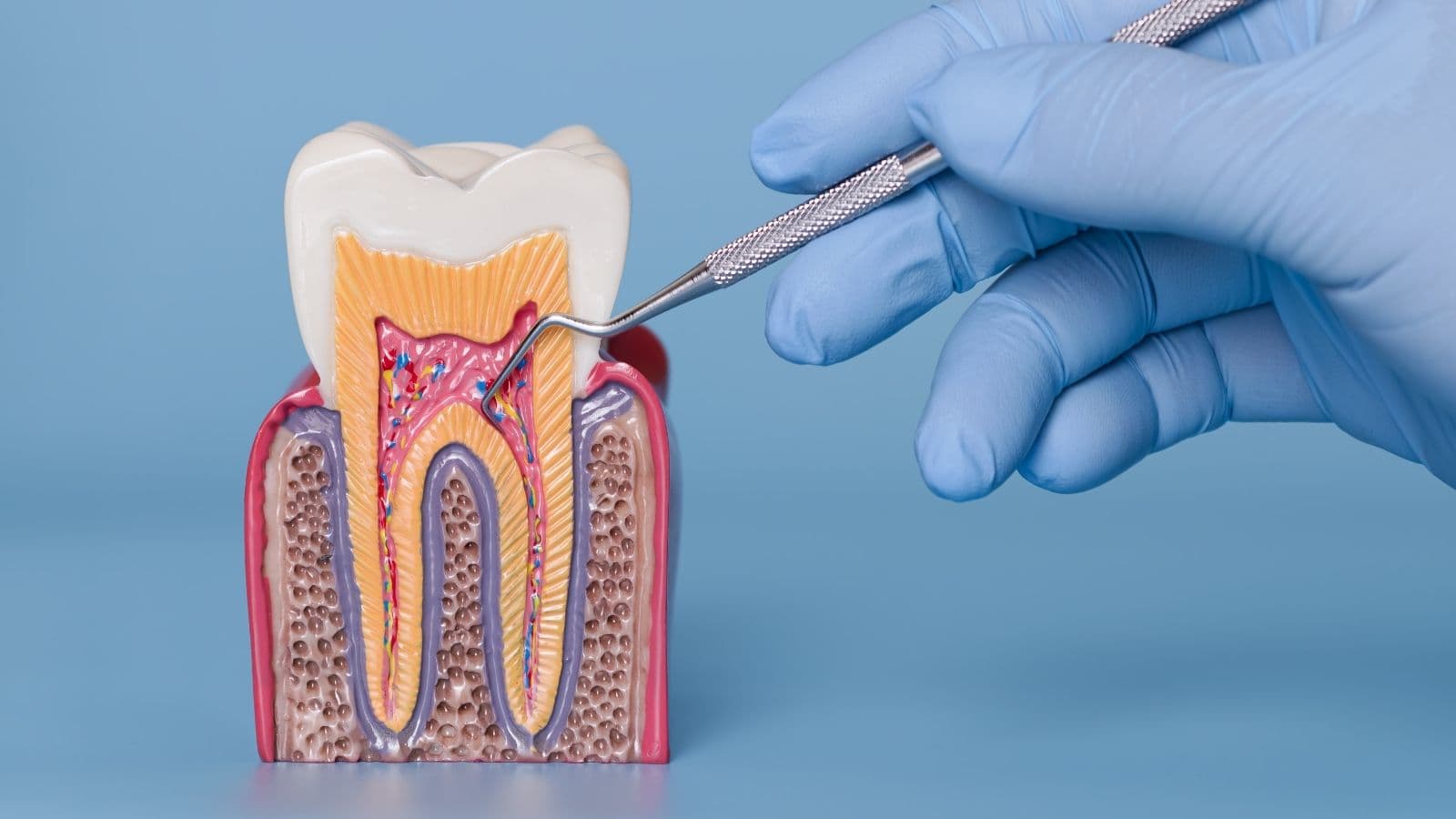
Position of the Tooth Roots: It is important for not only the crowns of the teeth but also the roots to be in the correct position. The orthodontist tracks the position of the roots with X-ray analyses and tries to minimize risks such as bone loss.
Facial Profile: The patient's facial profile is also taken into account in treatment planning. The aim is to improve not only the harmony of the teeth but also facial aesthetics.
General Oral and Body Health
Gum Health: Gum disease (periodontitis) causes loss of the bone tissue that supports the teeth. This can limit the movement of the teeth or increase the risk of tooth loss during treatment. For this reason, it is important to improve gum health before starting orthodontic treatment.
Condition of the Teeth: Missing teeth, cavities, fillings, or crowns can affect the treatment plan. For example, tooth movements may differ in areas where teeth are missing.
Systemic Diseases: Some systemic diseases such as diabetes and osteoporosis, or the medications used, can affect bone metabolism and therefore the speed of tooth movement. These situations are taken into consideration in treatment planning.
Patient Compliance and Lifestyle
Appliance Preference: The patient's aesthetic concerns, the budget that can be set aside for treatment, and comfort level play a role in choosing the appliance (metal bracket, ceramic bracket, clear aligner).
Hygiene Habits: Taking care of oral hygiene during orthodontic treatment is vitally important. Regular brushing and flossing prevent the cavities and gum problems that can occur during treatment.
Appointment Follow-Up and Appliance Use: Especially with removable appliances such as clear aligners, the patient following the treatment protocol (wearing the aligners for enough time) is critically important for the success of the treatment. With fixed appliances, attending regular follow-up appointments is essential.
For these reasons, every orthodontic case is unique, and the treatment plan is carefully prepared according to the patient's particular situation. The orthodontist's experience and the patient's active participation in the treatment are the key to a successful result.
The Orthodontic Treatment Process
If you have decided to start orthodontic treatment, it is important to know how this process works. This will help you manage your expectations correctly and approach the treatment more knowledgeably. Here is a step-by-step guide to the orthodontic treatment process:
Initial Orthodontic Examination and Consultation
This first step is meeting the orthodontist and having your situation evaluated.
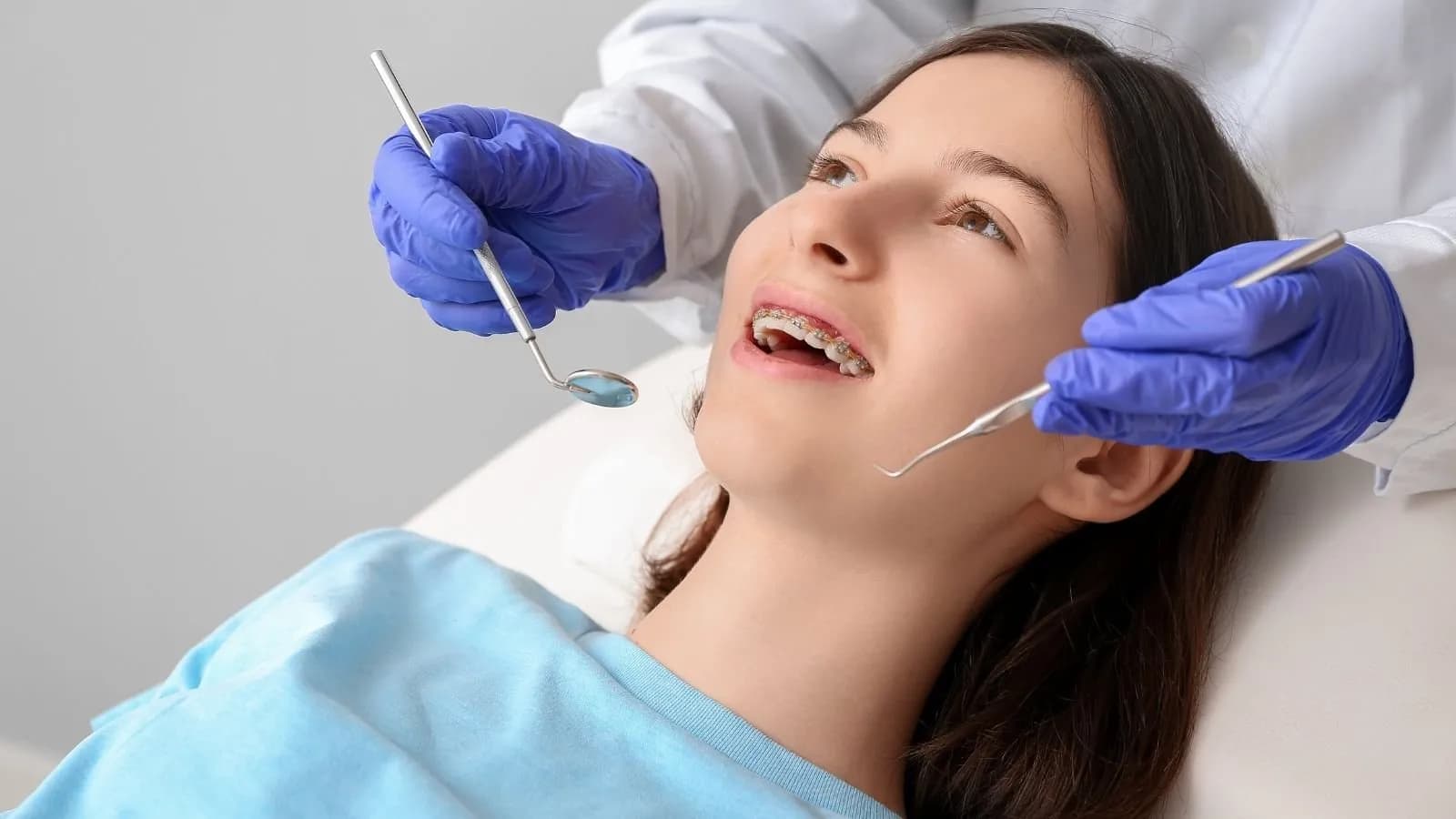
Detailed Oral Examination: The specialist examines the general condition of your teeth, your bite, your jaw relationships, and your oral hygiene.
Patient History: Information is gathered about your past dental experiences, your general health, your current complaints (pain, difficulty chewing, etc.), and your treatment expectations. For child patients, habits such as thumb sucking are asked about.
Diagnostic Methods: The following methods are generally used to fully understand the problem:
Panoramic X-ray: A general X-ray showing all the teeth, jawbones, and joints. Cephalometric X-ray (Lateral Skull Radiograph): Used to evaluate the structure of the head and face, jaw relationships, and the position of the teeth in detail. It also shows growth potential. Dental Models (Plaster or Digital): A full copy of the upper and lower jaws is made, and the bite and alignment of the teeth are examined in the laboratory or on a computer. Photographs: Intraoral and facial photographs are used to document the pre-treatment condition and to compare results after treatment.
Initial Assessment and Possible Treatment Options: Following the examination and diagnostic methods, the specialist makes an initial assessment of your problem and gives general information about possible treatment options. At this stage, preliminary information about treatment duration, cost, and the types of appliances to be used may be shared.
Creating and Approving the Treatment Plan
In light of the data obtained from the initial examination, the orthodontist prepares a treatment plan specific to you.
Personalized Plan: This plan details the targeted final bite and aesthetic appearance, the type of appliance to be used (metal bracket, ceramic bracket, clear aligner, functional appliance, etc.), the estimated treatment time, and the treatment cost.
Treatment Goals: The plan covers not only correcting the teeth but also functional improvements (chewing, speech) and aesthetic improvements.
Patient Approval: The treatment plan is explained to you in detail. All of your questions are answered and the plan is presented for your approval. You should make sure you fully understand the plan before starting treatment.
Placement of the Appliances
After the treatment plan is approved, treatment begins.
Fixed Appliances (Braces):
Tooth Cleaning and Preparation: The teeth are cleaned with special solutions and dried.
Bonding the Brackets: The brackets are carefully placed on the front surfaces of the teeth with the help of a special adhesive (bonding agent).
Placing the Archwire: The archwire that will move the teeth is placed in the appropriate slots of the brackets and attached to the brackets with elastic or metal ligatures.
Clear Aligners (Invisalign, etc.):
Receiving the Aligners: A series of clear aligners produced as a result of digital scanning or impressions is delivered to you.
Usage Instructions: You are told how to put the aligners in and take them out, for how long they must be worn (usually 20-22 hours a day), and how to switch between aligners.
Removable Appliances:
Removable devices such as functional appliances or plates are given for the patient to use according to the instructions.
Regular Follow-Up Appointments
Orthodontic treatment is an active process and requires regular check-ups.
Frequency: Check-ups are generally done every 4 to 8 weeks. With clear aligner treatments, this interval may be slightly longer.
Procedures Performed:
In Wire Treatment: The tension of the wires is adjusted, new wires are placed, and ligatures are changed. The movement of the teeth and progress are observed. In Clear Aligner Treatment: New sets of aligners are given, treatment progress is checked, and adjustments to the plan are made if necessary.
Hygiene and Care: At check-ups, your oral hygiene is also evaluated and the necessary advice is given.
Completion of Treatment and Removal of the Appliances
When the teeth reach the desired position, the treatment process is completed.
Appliance Removal: Fixed appliances (brackets and wires) are carefully removed from the teeth with special instruments.
Cleaning the Tooth Surface: Adhesive residues are cleaned and the tooth surfaces are smoothed.
Final Evaluation: The specialist evaluates whether the final bite and aesthetics have reached the goals.
Retention Phase
This stage is critically important for making the success of the treatment lasting.
Retention Appliances: Retention appliances are used to keep the teeth stable in their new positions. These can be the following:
Fixed Retainers: Usually a thin wire bonded behind the lower front teeth. They are sometimes used on the upper jaw as well. Removable Retainers: Appliances similar to clear aligners that the patient wears at night when going to bed.
Duration of Use: How long the retainers will be used is determined by the specialist according to the patient's age, the severity of the problem, and the tendency of the teeth to move. Lifelong use is generally recommended, although the frequency of use may decrease over time.
Regular Check-Ups: The condition of the retainers and the position of the teeth are checked at certain intervals.
The orthodontic treatment process requires patience and cooperation. However, the healthy and aesthetic smile achieved at the end of treatment is worth all the effort of this process.