Spec. Dt. Gökcan ErtaşOrthodontist
 Dt. Sena KırcaDentist
 Dt. Sevinç Cansu KayıranDentist
 Assoc. Prof. Dr. Sezin ÖzerPediatric Dentist
 Spec. Dt. Sude Yıldırım BolatSpecialist in Periodontology

Baby bottle tooth decay, known by its medical name early childhood caries, is a rapidly progressing type of decay seen in baby teeth, especially in the upper front incisors. It generally results from a bottle, a pacifier, or breast milk staying in contact with the teeth for a long time overnight.
This condition can arise from habits that many parents do not notice and assume are a natural part of the daily feeding routine. For example, putting a baby to sleep with a bottle or soothing them with a pacifier is a common habit in many families; however, the effect of this habit on dental health often goes unnoticed.
In this article we cover this condition, which can cause serious damage to baby teeth when not noticed early, along with its causes, symptoms, treatment, and prevention methods; for your questions, you can make an appointment with the Dental Prime team.
Why Does Baby Bottle Tooth Decay Occur?

The main cause of baby bottle tooth decay is sugar-containing liquids remaining on the tooth surface for a long time. When liquids such as milk, fruit juice, and sweetened formula combine with the bacteria in the mouth, they produce acid; this acid erodes the tooth enamel over time.
During daytime feedings, saliva clears this acid to some extent, but during sleep, because saliva production decreases, the same cleansing does not take place. This is why nighttime feedings are especially risky for baby bottle tooth decay.
Genetic predisposition, the structure of the tooth enamel, and the variety of bacteria in the oral flora are also among the additional factors that affect the speed of the process. In most cases, however, the real determining factor is the frequency and duration of feeding.
As feeding frequency increases, the time the tooth enamel has to recover from acid attacks decreases. Sugary foods and drinks given at frequent intervals, especially as snacks, keep the oral environment at an almost constantly acidic level and make it harder for protective mechanisms to work.
Nighttime Bottle and Breastfeeding Habits
Putting a baby to sleep with a bottle or while breastfeeding leaves the teeth in contact with sugary liquid for hours. Because the swallowing reflex and saliva flow decrease during sleep, this liquid accumulates on the tooth surface and markedly increases the risk of decay.
The Effect of Sugary Liquids on the Tooth Surface
Not only sweetened drinks but also breast milk and cow's milk contain natural sugar (lactose) and can set the stage for decay with prolonged contact. Acidic drinks such as fruit juice increase the risk even further through both their sugar and acid effects.
Dry Mouth and Other Risk Factors
In some children, naturally lower saliva flow can increase the risk by reducing the mouth's self-cleaning capacity. A mouth-breathing habit can likewise dry out the inside of the mouth and set the stage for decay. Such factors are generally not decisive on their own, but when combined with feeding habits they act to increase the risk.
How Does the Process of Bacteria and Acid Production Work?
Bacteria naturally present in the mouth produce acid as they break down sugary residues. This acid weakens the mineral structure of the tooth enamel and creates microscopic pores. Over time, repeated acid attacks enlarge these pores and turn them into visible decay. The process generally progresses over weeks or months; for this reason, a white spot noticed early may point to a stage that is still reversible.
What Are the Symptoms of Baby Bottle Tooth Decay?

Baby bottle tooth decay follows a course that is hard to notice at first and becomes more obvious as it progresses. It is important for parents to check their child's tooth surfaces regularly for early diagnosis.
Symptoms generally begin in the area near the gum and, if not noticed, spread toward the visible surface of the tooth. For this reason, it is recommended to also regularly observe the areas adjacent to the gums.
Observation at home has its limits; in a poorly lit environment, early-stage spots can easily be missed. For this reason, regular dentist check-ups should be considered a complement to parental observation.
White Spots on the Tooth Surface
The first sign is generally dull, chalky white spots on the tooth enamel. These spots indicate that enamel loss has begun, and noticing and intervening at this stage can greatly slow the progression of the decay.
Brown/Black Discoloration and Advancing Decay
Untreated white spots turn brown over time and then black, leading to visible loss of tooth tissue. At this stage, breakage of the tooth structure, sensitivity, and sometimes pain may also accompany it.
What Should Be Done When Symptoms Are Noticed?
When a white or colored spot is noticed, instead of waiting and observing at home, the right approach is to see a dentist as soon as possible. Preventive methods applied in the early stage are much simpler and more comfortable than the comprehensive treatment an advanced cavity requires. When parents notice these signs, they are advised to make an appointment without panicking but also without losing time.
Which Teeth Does Baby Bottle Tooth Decay Affect?

Baby bottle tooth decay is most often seen in the upper front incisors, because during bottle sucking the liquid pools on the surface of these teeth for longer. The lower front teeth, on the other hand, are generally less affected because they are better protected by the tongue and saliva.
Tooth Group | Risk Level | Reason |
|---|---|---|
Upper front incisors | High | Longest contact with liquid during bottle feeding |
Upper lateral incisors | Medium-high | Position close to the upper front teeth |
Lower front incisors | Low | Protected by the tongue and saliva |
Molars | Medium | May increase at older ages with feeding habits |
This distribution shows that baby bottle tooth decay develops not randomly but with a specific pattern tied to how long liquid is in contact. For this reason, the first signs noticed on the upper front teeth should be taken seriously.
As the child grows and the way of feeding changes, the risk distribution may also change; for example, after the transition to spoon feeding, contact with sugary foods may increase on the molars. For this reason, dental check-ups should be continued not only in infancy but throughout the entire baby tooth period.
Why Are the Upper Front Teeth Affected First?
During bottle feeding, the nipple or pacifier is positioned so that it touches the back surface of the upper front teeth, close to the palate. While the liquid pools in this area, the tongue and lips move in a way that partially protects the lower front teeth. This anatomical difference explains why the upper front teeth are affected so often and so noticeably.
How Is Baby Bottle Tooth Decay Treated?
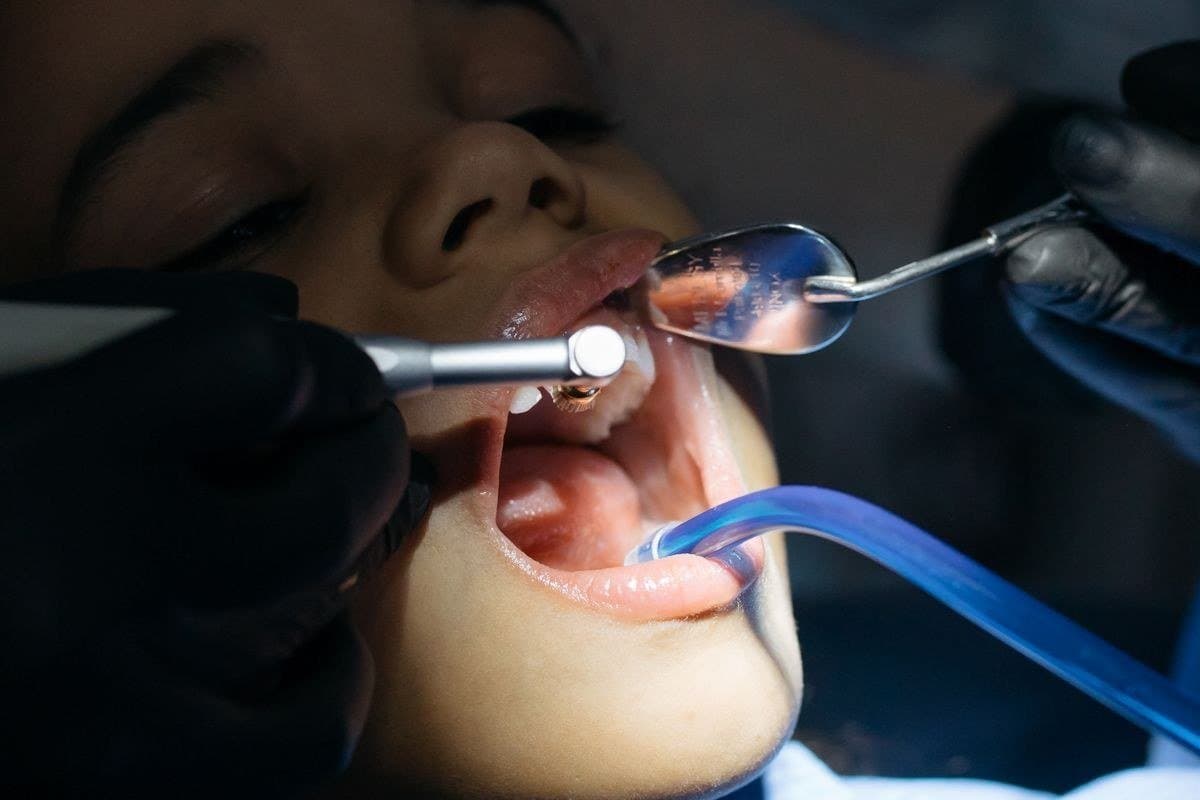
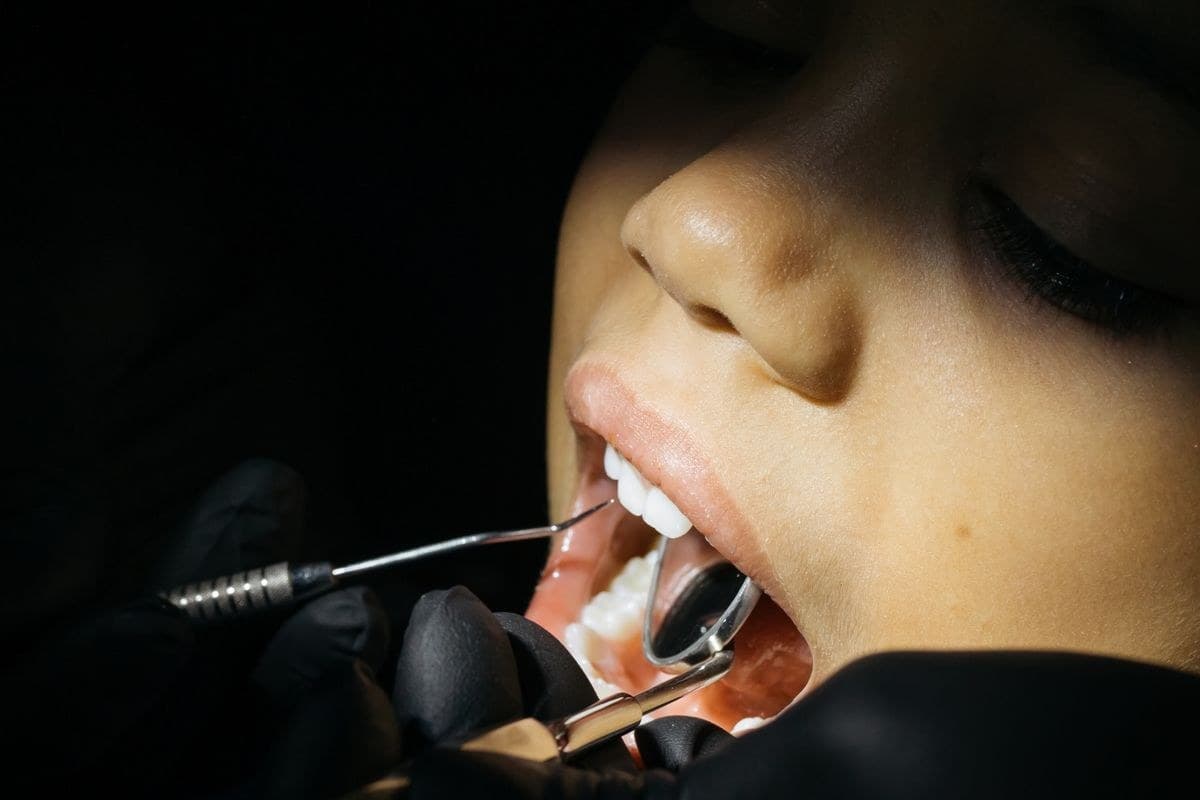
The treatment approach varies according to the stage of the decay. While preventive methods may be sufficient in the early stage, procedures aimed at repairing the tooth tissue may be needed in advanced cases.
When determining the treatment plan, the child's age, level of cooperation, and the extent of the decay are also taken into account. The aim is not only to repair existing damage but also to prevent new decay from forming.
Along with treatment, the changes the family makes to feeding and care habits are also part of the process; repairing only the damage in the tooth does not provide a lasting solution if the underlying habit does not change.
In some cases, because of the extent of the decay or the child's age, treatment is completed over more than one session. The dentist can observe the child's reaction at each session and re-plan the process when necessary; this flexible approach increases both comfort and treatment success.
Fluoride Application in the Early Stage
Fluoride application performed at the white spot stage can help strengthen the tooth enamel again and slow the progression of decay. This method is most effective in the early period when the tissue has not yet suffered serious loss.
Fillings and Other Methods for Advanced Decay
When noticeable loss occurs in the tooth tissue, filling treatment is applied; different methods are evaluated by the dentist according to the depth of the decay. The aim is to preserve the tooth's function and appearance without harming the eruption of the permanent teeth.
How Is the Child's Cooperation Ensured During Treatment?
For treatment to go comfortably in young children, it depends on the parent showing a calm attitude as much as on the dentist's approach. Dentists experienced in pediatric dentistry aim to turn the procedure into as comfortable an experience as possible with communication techniques suited to the child's age. Having early and regular first visits also makes it easier for the child to get used to the dental office environment.
What Happens If It Is Left Untreated?

When baby bottle tooth decay is left untreated, it can lead to serious consequences such as infection, pain, and tooth loss. We covered these risks in detail in our article what happens if a decayed baby tooth is not treated.
Early loss of baby teeth can also negatively affect the permanent teeth erupting in the correct position. For this reason, baby bottle tooth decay is not limited to that one tooth but is a matter that concerns the child's overall dental development.
In addition, difficulty eating due to pain and infection can indirectly affect the child's growth and development. For this reason, early intervention is valuable for both dental health and general health.
Effect on Speech and Chewing Development
The front teeth play an important role in producing certain sounds correctly during speech; early loss of these teeth can lead to temporary disruptions in speech development. Likewise, impaired chewing function can cause the child to swallow some foods without chewing them sufficiently. Although these effects are generally not permanent, if the process goes on for a long time, a need for additional support may arise.
How Is Baby Bottle Tooth Decay Prevented?

Baby bottle tooth decay is a condition that can largely be prevented. Small changes in feeding habits and early oral care markedly reduce the risk. Consistency is important in the prevention process; it is not a one-time change but habits that settle into the daily routine that make a difference in the long run.
The Role of Regular Dentist Check-Ups
No matter how careful the measures taken at home, they do not replace regular dentist check-ups. Through a professional examination, the dentist can detect early findings that a parent may not notice and offer special recommendations according to the child's individual risk level. These check-ups are generally planned to be repeated every six months.
Proper Bottle and Feeding Habits
It is recommended not to put the baby to sleep with a bottle or pacifier, to give water after a nighttime feeding if possible, and not to give sweetened drinks in a bottle. When the bottle contains only water, there is no risk of decay during sleep.
It is also important to avoid some traditional practices such as giving a bottle dipped in honey or sugar; such habits can seriously increase the risk of decay without being noticed. When ending pacifier use, a gradual transition is also recommended.
Starting Oral Care at an Early Age
It is recommended to clean with a damp piece of gauze or a soft brush as soon as the first tooth appears. Regular care followed with a pediatric dentistry specialist both reduces the risk of decay and increases the chance of early diagnosis.
Gradually Reducing Sugary Products
During the transition to complementary foods, keeping sugary snacks and store-bought fruit juices limited is beneficial for both overall nutrition quality and dental health. Even if sugar consumption cannot be eliminated completely, reducing its frequency and paying attention to oral cleaning after consumption markedly lowers the risk of decay.
When Should You See a Pediatric Dentist?
A child's first dentist visit should take place within the first year after the first tooth erupts; we explained this in detail in our article First Dentist Visit in Samsun.
This first visit is generally short and introductory; the dentist checks the inside of the mouth, evaluates risks, and offers the family personalized care recommendations. Meeting the dentist early also helps the child adapt more comfortably to later examinations.
Independent of this first visit, an appointment should be made without delay when the following signs are seen:
Dull white or brown spots on the tooth surface
Noticeable discoloration or breakage of the teeth
Restlessness or crying while chewing
Swelling or redness of the gums
Persistent bad breath that does not go away
When any of these signs is noticed, having an examination without postponing is important for stopping the progression of the decay. In a suspicious situation, early evaluation should be preferred over a wait-and-see approach, because baby bottle tooth decay can progress faster than other types of decay.
Conclusion
The answer to the question of what baby bottle tooth decay is is, in short, this: it is a type of decay that results from prolonged contact of sugary liquids with the teeth, is seen especially in the upper front teeth, and can progress quickly.
It can largely be prevented with proper feeding habits and early oral care. When a suspicious sign is noticed, seeing a pediatric dentist early is the most reliable way to protect the child's baby teeth and future dental health.
The parents' greatest contribution in this process is to add small but consistent habits to the daily routine: giving water after a nighttime feeding, cleaning regularly from the first tooth onward, and not missing the check-up appointment every six months. These simple steps can largely prevent baby bottle tooth decay.
It should not be forgotten that every child's risk level is different; some children may be more prone to decay than peers with the same habits. For this reason, in addition to general recommendations, consulting a pediatric dentist for an evaluation specific to the child is the most reliable approach.