Spec. Dt. Gökcan ErtaşOrthodontist
 Dt. Sena KırcaDentist
 Dt. Sevinç Cansu KayıranDentist
 Assoc. Prof. Dr. Sezin ÖzerPediatric Dentist
 Spec. Dt. Sude Yıldırım BolatSpecialist in Periodontology

Gum inflammation is a common problem that shows itself through tenderness, swelling, and bleeding in the gums. So, what helps with this unpleasant gum inflammation? First of all, proper oral hygiene practices and regular dental check-ups are essential. While professional treatment methods come into play in cases of gum inflammation that does not go away, some natural remedies that can be used at home may also support the process. There are steps you can take to relieve the discomfort caused by gum inflammation and to regain healthy gums; in this way, the answers to the question of what helps gum problems also become clearer.
What Exactly Is Gum Inflammation?
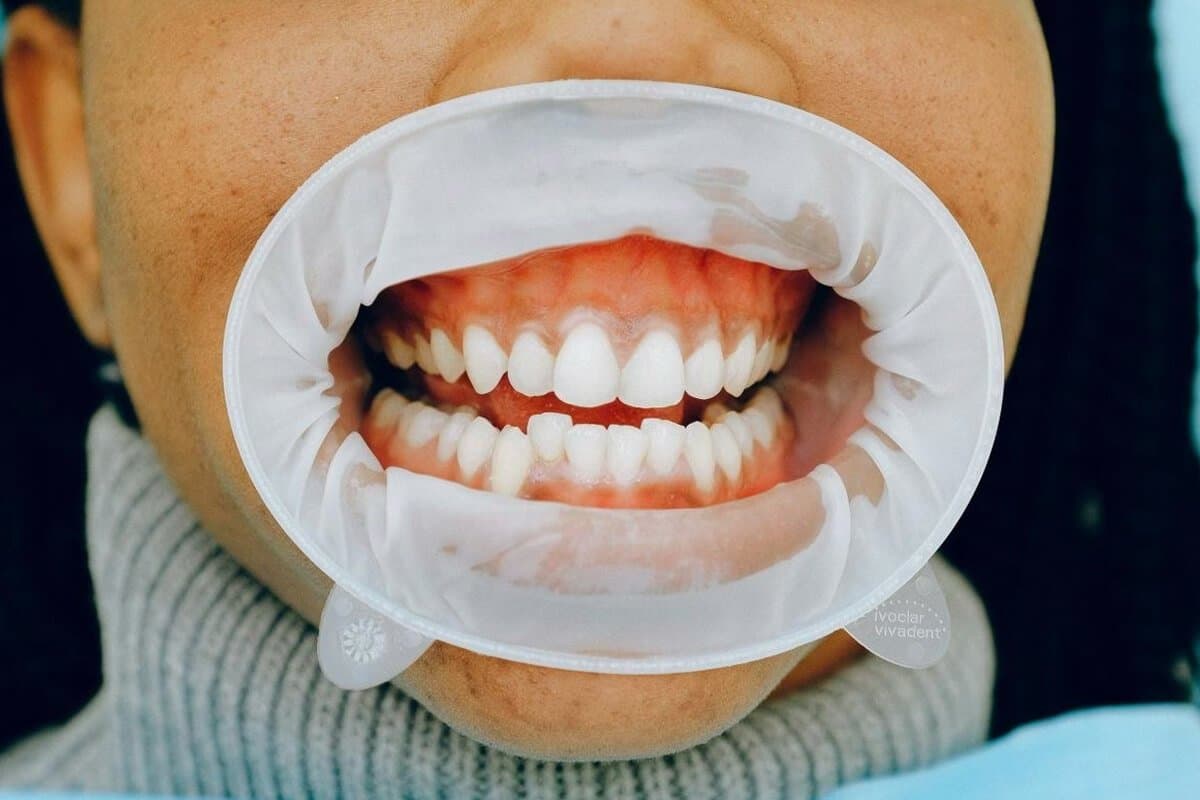
Gum inflammation is a condition in which the gums (gingiva) that surround your teeth and hold them in place become red, swollen, and tender. It is actually the most common and generally the mildest form of periodontal disease, that is, diseases that affect the teeth and gums. We can say it is a natural reaction of our body to factors that irritate the gums, a kind of defense mechanism. Do you know the best part? If gum inflammation is noticed early and the right steps are taken, it is a condition that can heal completely. However, if it is left alone, things can get serious and it can progress to a more advanced stage called periodontitis, which can even lead to the loss of the bone tissue that supports the teeth. Gum inflammation itself does not cause bone loss; this is also its most important difference from periodontitis. Knowing this distinction is a good reason to take the condition seriously and act early. Because once periodontitis has set in, it is hardly possible to bring back the lost bone and tissue, but the progression of the disease can be stopped or slowed. The gum inflammation stage is your "window of opportunity" before entering this path of no return.
What Are the Most Common Symptoms of Gum Inflammation?
There are some clues that can help you tell whether you have gum inflammation. Healthy gums are generally light pink, firm, and fit snugly around the teeth. When inflammation begins, this appearance changes. The most common symptoms of gum inflammation are as follows:
Swelling or puffiness in the gums
Gums turning bright red, dark red, or sometimes purplish
Gums that bleed easily when brushing or flossing (blood in the saliva or a pinkish toothbrush)
Tenderness in the gums when touched
Constant or recurring bad breath (halitosis)
Bleeding that appears especially while brushing or flossing is one of the most obvious signs. Many people think a little bleeding is normal, especially when they brush a bit hard or have just started flossing. However, healthy gums should not bleed during normal oral care. If your gums bleed, this is a sign of inflammation and must be seen by a dentist. Remember, pain is not a very common finding in the early stages of gum inflammation. That is why not having pain does not mean there is no problem. It is important to be attentive to the other symptoms.
What Are the Main Factors That Cause Gum Inflammation?
The main culprit behind gum inflammation is mostly a sticky layer of bacteria called microbial dental plaque. This plaque builds up especially in the areas where the teeth and the gumline meet. It forms continuously on our teeth after the foods and drinks we consume, especially after sugary and starchy foods. If this bacterial plaque is not cleaned every day with regular and effective brushing and flossing, the bacteria in it release toxins, that is, harmful substances, that irritate the gums. These toxins start the inflammatory reaction in the gums; this is why symptoms such as redness, swelling, and bleeding appear.
If plaque is not removed from the tooth surface, over time it combines with minerals in your saliva and hardens, turning into a structure we call tartar, or calculus. Because tartar creates a rough surface for plaque, it sets the stage for even more plaque buildup. At the same time, it serves as a shelter for bacteria and makes cleaning harder. It is not possible to remove tartar with a toothbrush or floss; a professional dental cleaning is definitely needed for this. So a vicious cycle begins: plaque leads to tartar, tartar leads to more plaque, and the gums remain under constant irritation. Sometimes poorly made fillings that press on the gum, ill-fitting crowns, or crowded teeth that make cleaning difficult can also make plaque buildup easier and set the stage for gum inflammation.
Who Is at Risk of Gum Inflammation?
Although gum inflammation can occur in anyone, some conditions or habits can increase the risk. The people and situations that need to be more careful about gum inflammation can be listed as follows:
People with inadequate or incorrect oral care
People who use cigarettes or other tobacco products
People with diabetes (sugar disease)
People going through periods of intense hormonal change such as pregnancy, puberty, and menopause
People who use certain medications continuously
People who experience dry mouth (xerostomia)
People with inadequate and unbalanced nutrition (especially vitamin C deficiency)
People with diseases that weaken the immune system (such as HIV/AIDS and leukemia)
People under intense and constant stress
People with a genetic predisposition
Older individuals
Smoking in particular is one of the most important risk factors for gum disease and seriously slows healing. In people with diabetes, gum disease is both more common and more severe, and gum disease can also make it harder to control blood sugar. These two conditions create a cycle that negatively affects each other.
What Problems Can Gum Inflammation Cause If It Is Not Treated?
If gum inflammation is not noticed and treated, unfortunately it can progress to periodontitis, a more serious condition. Periodontitis is a disease that affects not only the gums but also the bone tissue that supports the teeth and the fibers we call the periodontal ligament. As the inflammation spreads deeper, the gums begin to separate from the teeth and spaces called "pockets" form. These pockets are an ideal environment for more bacteria and plaque to build up. As infection and inflammation continue, the bone tissue that holds the teeth in the jawbone begins to break down. Unfortunately, this bone loss cannot be reversed. Teeth that lose their bone support begin to loosen over time, shift out of place, and eventually either fall out on their own or need to be extracted. Periodontitis is one of the most important causes of tooth loss in adults. Symptoms such as gum recession, gaps opening between teeth, constant bad breath, and sometimes pus coming from the gum are commonly seen in periodontitis. So a condition that starts as simple gum inflammation can, if not treated, lead to serious consequences up to losing your teeth. For this reason, it is very important not to take gum inflammation lightly with the thought that "it will pass anyway," and to intervene early.
What Can Be Done to Prevent Gum Inflammation?
The way to prevent gum inflammation comes down to fairly simple and effective daily habits. The main goal is to remove dental plaque regularly. Here is what you can do to prevent gum inflammation:
Brush your teeth at least twice a day with a fluoride toothpaste using the correct technique.
Choose a toothbrush with soft or medium bristles.
Replace your toothbrush every 3-4 months or when the bristles are worn.
Clean between your teeth at least once a day using dental floss or the interdental brushes recommended by your dentist.
Clear your tongue of bacteria by brushing it or using a tongue cleaner.
Eat a balanced and healthy diet, and limit your consumption of sugary and acidic foods and drinks.
Stay away from cigarettes and tobacco products completely.
If you have a systemic condition such as diabetes, keep your disease under control by following your doctor's recommendations.
Learn and practice stress management techniques.
Most importantly, go for dental check-ups regularly (generally every 6 months) and have a professional teeth cleaning.
Remember, no matter how well you take care of your teeth at home, plaque buildup and tartar formation may not be preventable in some areas. This is where regular dental check-ups and professional cleanings come into play. Your dentist both evaluates the current situation and gives you personalized advice. Prevention becomes most effective through the combination of your effort and your dentist's guidance.
What Methods Can Be Used at Home for Gum Inflammation?
In the early stages of your gum inflammation, or in addition to professional treatment, some methods you can use at home may provide relief and support the healing process. However, remember that these methods never replace professional dental treatment and good oral hygiene. The first thing to do at home is, once again, proper brushing and flossing. This is the most basic requirement for the inflammation to recede.
Gargling with warm salt water (half a teaspoon of salt in a glass of warm water) may help reduce tenderness and swelling in the gums.
Over-the-counter antiseptic mouthwashes recommended by your dentist may be useful in reducing bacterial plaque.
Quitting smoking is very important for gum health.
Follow a balanced diet that includes vitamins and minerals important for gum health, such as vitamin C.
Consult your dentist before trying alternative methods such as oil pulling.
How Is Gum Inflammation Diagnosed?
Gum inflammation is diagnosed through a careful examination by a dentist. First, your dentist talks with you to learn about your complaints, oral care habits, general health, the medications you use, and habits such as smoking. Then the examination inside the mouth begins. Your dentist looks at the color, shape, and consistency of your gums. Using a special instrument called a "probe," they gently touch your gums to check whether there is bleeding. One of the most important steps is, again with the help of this probe, measuring the depth of the space between your teeth and gums, that is, the "pocket." In healthy gums, this pocket depth is generally between 1 and 3 mm. If pocket depths have increased (for example, 4 mm or more), this is a sign of gum disease. If deemed necessary, especially if periodontitis is suspected, dental X-rays (films) may also be requested to evaluate the bone level. This is because while gum inflammation does not cause bone loss, periodontitis does. This distinction is very important for treatment planning.
Which Professional Treatments Are Used for Gum Inflammation?
The main goal of professional treatment for gum inflammation is to remove the bacterial plaque and tartar (calculus) that cause the inflammation from the tooth surfaces and gum pockets. In this way, the aim is for the gums to regain their health. Early-stage gum inflammation generally heals completely with proper professional intervention followed by good home care.
The main step of treatment is the procedure also known as "scaling" (tartar removal). Your dentist or dental hygienist carefully cleans all the plaque and tartar on your teeth and below the gumline using special hand instruments and/or ultrasonic devices. If the inflammation has progressed a little further and there are also deposits on the tooth root surfaces, a procedure called "root planing" (curettage) may also be performed. With this procedure, the root surfaces are smoothed, making it harder for bacteria to attach again and allowing the gum to attach to the root in a healthier way. This professional cleaning targets deposits that you cannot remove at home with a brush and floss.
If there are conditions in your mouth that cause plaque buildup, such as old, overhanging fillings, ill-fitting crowns, or crowded teeth, your dentist may also make recommendations for correcting them. This is because such factors can make cleaning harder and cause the inflammation to recur. After professional treatment, your dentist will explain a personalized oral care plan and monitor your condition with regular check-ups. Healing is generally observed within a few days to a few weeks.
When Should You See a Dentist If You Have Symptoms of Gum Inflammation?
The moment you notice something out of the ordinary in your gums is the right time to see a dentist. If you have one or more symptoms in your gums such as;
Swelling
Redness
Bleeding when brushing or flossing
Constant bad breath
Tenderness
you should book an appointment without wasting time. When gum inflammation is caught early, treatment is much easier and more successful. Waiting with the thought that "it will pass anyway" can allow the problem to progress and make more complex treatments necessary. Above all, remember that gum inflammation is usually painless at first. Not having pain does not mean everything is fine. Visual changes in your gums and bleeding are the most important warning signs. Even if you have no complaints at all, having regular check-ups at the intervals recommended by your dentist (generally every 6 months) is the best way to catch possible problems early.