Dental Prime
TR Book an Appointment

How Do I Know If I Need a Root Canal?

Some signs that you may need root canal treatment include the following:

How Do I Know If I Need a Root Canal?

Severe Toothache: If you feel a constant, unbearable pain in a tooth, especially one that gets worse when chewing or when pressure is applied, this may be a sign that the nerves of the tooth are damaged.

Extreme Sensitivity to Hot and Cold: If you feel prolonged and severe sensitivity in a tooth when you eat or drink hot or cold foods or beverages, this may be a sign of a problem with the nerves.

Swelling or Abscess on the Gum: If you have swelling, an abscess (a pus-filled swelling), or tenderness to the touch on your gum, there may be an infection at the root of the tooth, and this may require root canal treatment.

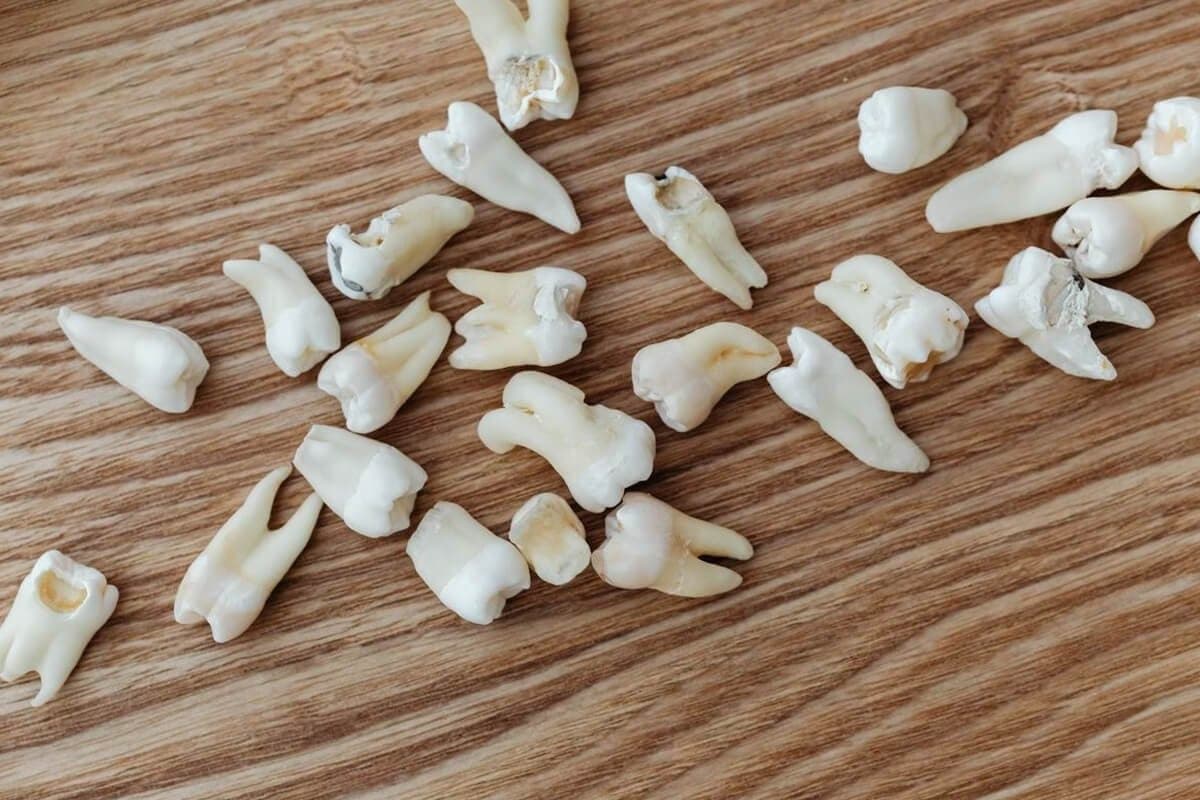
Tooth Discoloration: If you notice darkening of your tooth, especially a gray or black color change, this may be a sign that the nerve and blood vessel tissue inside the tooth has died.

Broken or Cracked Tooth: A broken or cracked tooth can damage the nerve and root tissue, which over time can lead to infection or severe pain. Root canal treatment may be needed in this case.

Decay That Has Caused Extensive Tooth Loss: If there is deep decay in the tooth, bacteria may have reached the nerve of the tooth, which creates the need for root canal treatment.

If you experience any of these signs, it is important to see a dentist for a definitive diagnosis and treatment. The dentist will determine whether root canal treatment is needed by taking an X-ray and performing a detailed examination of your tooth.

Frequently Asked Questions

Is root canal treatment painful?

No. The area is numbed with local anesthesia during the procedure, so the patient does not feel pain. Mild sensitivity may be noticed for a few days after the anesthetic wears off; this is easily controlled with pain relievers. The sensitivity usually disappears completely within a week.

How many sessions does root canal treatment take?

Treatment is usually completed in one session for teeth with a single canal, and in two to three sessions for teeth with multiple canals or widespread infection. The number of sessions depends on the clinical picture determined by the dentist at the examination and on the extent of the infection. The exact session plan becomes clear after the first examination.

Can a tooth change color after root canal treatment?

Yes, teeth that have had root canal treatment may gradually become slightly darker; this is because the tooth loses its blood supply. In areas where appearance is a concern, a crown or internal bleaching can eliminate this look. These options should be evaluated together with your dentist, especially for front teeth.

About this contentSources and health informationSources

You can review the professional guidelines and patient information resources related to this page below.

  1. Root canal treatmentAccessed: 5 September 2026

Medical Information

This content is for general information. It does not replace an examination, diagnosis or individual treatment plan. Consult your dentist for diagnosis and treatment.

Contact our clinic to arrange a convenient appointment time.

Book an Appointment
Call the ClinicContact and Directions