Spec. Dt. Gökcan ErtaşOrthodontist
 Dt. Sena KırcaDentist
 Dt. Sevinç Cansu KayıranDentist
 Assoc. Prof. Dr. Sezin ÖzerPediatric Dentist
 Spec. Dt. Sude Yıldırım BolatSpecialist in Periodontology

Gaps after tartar removal may feel more noticeable once deposits are removed and swelling goes down. A gum examination can help establish the cause.
After cleaning, your tongue may slip more easily between your teeth or you may notice a dark space in the mirror. This alone does not show that the tooth was worn down during the procedure. Surfaces that were covered by deposits and the outline of the gumline may simply be easier to see. Any newly noticed space should be considered alongside the findings of a dental examination.
This guide from Dental Prime explains what may change in the appearance of your teeth after a cleaning. For advice specific to you, follow the findings and care instructions of the dentist who carried out your treatment.
Why Do Gaps Look More Noticeable After Tartar Removal?

Feeling a gap can be different from the teeth actually shifting. Removing deposits, reducing gum swelling, and uncovering existing loss of supporting tissue can all change what you see or feel. Several of these can occur together. The timing alone is not enough to establish what caused the change.
Removing Deposits Can Reveal Existing Spaces
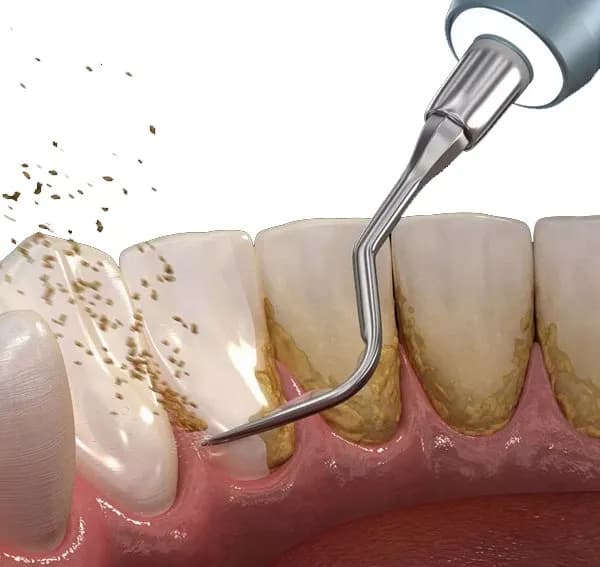
Tartar can build up between the teeth and on the inner surfaces of the lower front teeth. After it is removed, a space that used to feel filled may feel different to your tongue. It can be surprising to feel the outline of the teeth so clearly. Tartar cannot replace healthy tooth or gum tissue.
A hard deposit can fill a space even when the teeth do not make a healthy contact there. Letting tartar build up again or stopping cleaning will not resolve the underlying issue. Our scaling and tartar removal page explains what the procedure involves.
The Gumline Can Change as Swelling Subsides
Inflamed gums can look swollen or puffy. When bacterial deposits are removed and swelling goes down, the teeth can look longer and the spaces between them more open. The change may be especially noticeable after periodontal treatment that goes below the gumline. The Australian Dental Association Victorian Branch patient guide explains that gums may shrink back and teeth may feel sensitive after treatment.
Existing Loss of Support Can Become Easier to See
If the tissues around the teeth have already lost support, the area can be easier to see once the tartar is gone. It may look like a dark triangle near the gumline. A dark space can have several causes. A dentist will also consider tooth shape, alignment and any existing restorations, and may take clinical measurements to establish the cause.
The word gap can describe different things. An opening visible between two teeth, a receding gumline and a periodontal pocket between a tooth and the gum are distinct findings. The depth of a pocket cannot be worked out from the width of a visible gap. A photograph on its own cannot establish what the change means.
When talking to your dentist, point out where you notice the difference. Is it between the edges of the teeth, in the triangular space next to the gum, or on the outer surface near the root? Describe any food trapping, unfamiliar surface your tongue can feel, or visible opening separately. That helps your dentist understand which issue is bothering you most.
Will a Gap Noticed After Cleaning Close?
There is no single timetable for all gaps. The way your teeth feel in the first few days can change as swelling settles and you get used to the newly exposed surfaces. A space associated with loss of gum or bone support may persist. Your dentist can check how healing is progressing at a follow-up examination.
Inflammation can improve even where tissue has already been lost. The gums may bleed less and look healthier while a space between the teeth remains more visible. The size of a gap in the mirror is only one part of assessing the outcome.
The European Federation of Periodontology describes how tissue shrinkage after periodontal treatment can make spaces between the teeth and root sensitivity more noticeable. Your dentist can consider the appearance of the gap and the health of your gums separately at the same visit.
The way the area looks on the first day may change, and some spaces can remain. At the follow-up your dentist can compare earlier photographs, examination findings and X-rays if needed. If you already have a photograph from before treatment, it may help show what changed. The examination provides information a photograph cannot.
Sensitivity and Unfamiliar Sensations in the First Few Days
You may feel short-lived sensitivity after cleaning, especially to cold. Surfaces previously covered by tartar may contribute to this sensation once they are exposed. The Turkish Dental Association patient guide advises keeping up with daily oral hygiene even if the teeth feel sensitive. Mild symptoms should ease. Ask your dentist about symptoms that persist or worsen.
Sensitivity triggered by food or drink and pain that starts on its own need different assessment. Tell your dentist when it started, whether hot or cold foods trigger it, and whether it affects one tooth or several areas. Mention pain when chewing, a feeling that a tooth has cracked, or noticeable looseness.
Keep up the care you were advised to follow and observe how your symptoms change. If you also had cleaning below the gumline, surgery or another procedure, your aftercare may differ from the advice for routine cleaning. Follow any instructions given specifically for your procedure, and ask the dental team if anything is unclear.
How Should You Clean Your Teeth When a Gap Feels More Noticeable?

Stopping brushing or cleaning between the teeth can allow plaque to collect. Focus on keeping the tooth surfaces and gumline clean. Choose your technique and tools according to the width of the spaces and the health of your gums.
Clean your teeth regularly with a soft toothbrush and fluoride toothpaste. Use the technique shown by your dentist and avoid scrubbing hard from side to side.
Ask your dentist which size of interdental brush or type of floss suits the area. Wider and narrower spaces can need different tools.
If a brush or other tool will not pass through, do not force it. Ask your dentist to demonstrate the right size and direction in your mouth.
Temporarily limiting very hot or cold food and drink can help if these trigger sensitivity. If symptoms persist, ask your dentist to assess them.
If your dentist recommends a mouthwash or a product for sensitivity, check how to use it and for how long. Avoid using someone else's prescription or leftover medicines.
If food gets trapped, avoid digging into the space with a sharp object. Pressing with a toothpick, scraping with a metal tool, or trying to dislodge tartar yourself can injure the tissues. Show the dentist the area you cannot clean so they can demonstrate how to use an appropriate tool there.
The EFP patient FAQ explains that cleaning between the teeth should be tailored to the person. Bringing your toothbrush and interdental tool to your appointment can help your dentist check whether they fit the area and show you how to use them effectively.
When Should You See Your Dentist Again?
Tell your dentist about a newly noticed gap, especially if you also have bleeding, bad breath or a loose tooth. Increasing pain, trouble chewing, or food that repeatedly gets trapped in the same place also warrant a check. Let the team know if a mild symptom becomes more pronounced instead of easing.
A symptom starting after a cleaning does not establish its cause. An examination can help identify decay, a crack, a problem with a restoration or gum disease. Make a note of the tooth involved, how long you have noticed the symptom and what brings it on.
Seek urgent care for widespread swelling, fever, or difficulty swallowing or breathing. If bleeding is substantial and does not stop, contact the dental service that treated you promptly. These symptoms need assessment separately from the gap itself.
What Happens at the Follow-Up Examination?

Your dentist will ask what treatment you had and how your symptoms have changed. They will look at the gumline, check for bleeding and tooth movement, and assess the contacts between the teeth. They may measure periodontal pockets in affected areas and take X-rays if needed.
The National Institute of Dental and Craniofacial Research explains the role of pocket measurements, tooth examination, health history and X-rays in assessing gum disease. Tell your dentist about tobacco use, conditions such as diabetes, and medicines you take. This helps them tailor your care and follow-up.
You can ask whether the change comes from tartar being removed, a receding gumline or an issue with the way the teeth touch. It also helps to ask which symptoms to monitor and when to move a follow-up forward. Your dentist will consider how easily you can clean the area as well as how the gums look.
A space that was already there and newly detected tooth movement may call for different care plans. Ask the dentist to show you the area in a mirror during the examination. This can help you see which surfaces need attention at home and understand what your dentist will compare at the next visit.
Do Persistent Gaps Always Need a Filling?
No. The first step is to establish the cause of the gap and assess the gums. Ongoing inflammation needs attention before considering treatment that changes the appearance of the area. Adjusting home care and monitoring may be enough for some people. Others may need further periodontal care or assessment by another dental specialist.
A dark space between the teeth does not in itself indicate decay that needs a filling. If you are considering a cosmetic procedure, the dentist will assess tooth shape, contact points, gum health and whether you will still be able to clean the area afterwards. Choosing a crown, filling or gum procedure requires an examination.
Ask whether the underlying health issue is under control and whether anything further is needed for the appearance. Your dentist can explain what an option is intended to achieve, its limits and the care it would require. Complete closure of every gap or a return to the previous gumline cannot be promised in advance. Treatment decisions depend on your individual findings.
If a procedure is proposed, ask what change you can expect, how you will clean the area, and whether gum treatment needs to be completed first. Ask about follow-up and any additional care. Photographs can help explain options, although another person's outcome cannot predict yours.
Check-Ups and Long-Term Care
Check-up intervals vary according to tartar buildup, gum health, home care and individual risk. If you have had periodontal treatment, follow-up visits also allow the dental team to remeasure the tissues and see how well you can clean the area. Discuss any change to your check-up schedule with your dentist.
The University of Bristol Dental School patient guide explains the importance of home care and reassessment after treatment. At the follow-up, report whether sensitivity has improved, where food gets trapped and where you find your cleaning tools difficult to use. These details help the dentist assess what has changed.
Conclusion
Gaps after tartar removal are often related to spaces becoming easier to see once deposits have been removed or the appearance of the gums has changed. An examination can establish the cause and whether any follow-up is needed. Continue your recommended home care and ask for a check if pain increases, a tooth feels loose, bleeding continues, or you cannot clean an area. This guide is for general information. Your dentist can diagnose the cause and recommend care for you.