

 Spec. Dt. Gökcan ErtaşOrthodontist
 Dt. Sena KırcaDentist
 Dt. Sevinç Cansu KayıranDentist
 Assoc. Prof. Dr. Sezin ÖzerPediatric Dentist
 Spec. Dt. Sude Yıldırım BolatSpecialist in Periodontology

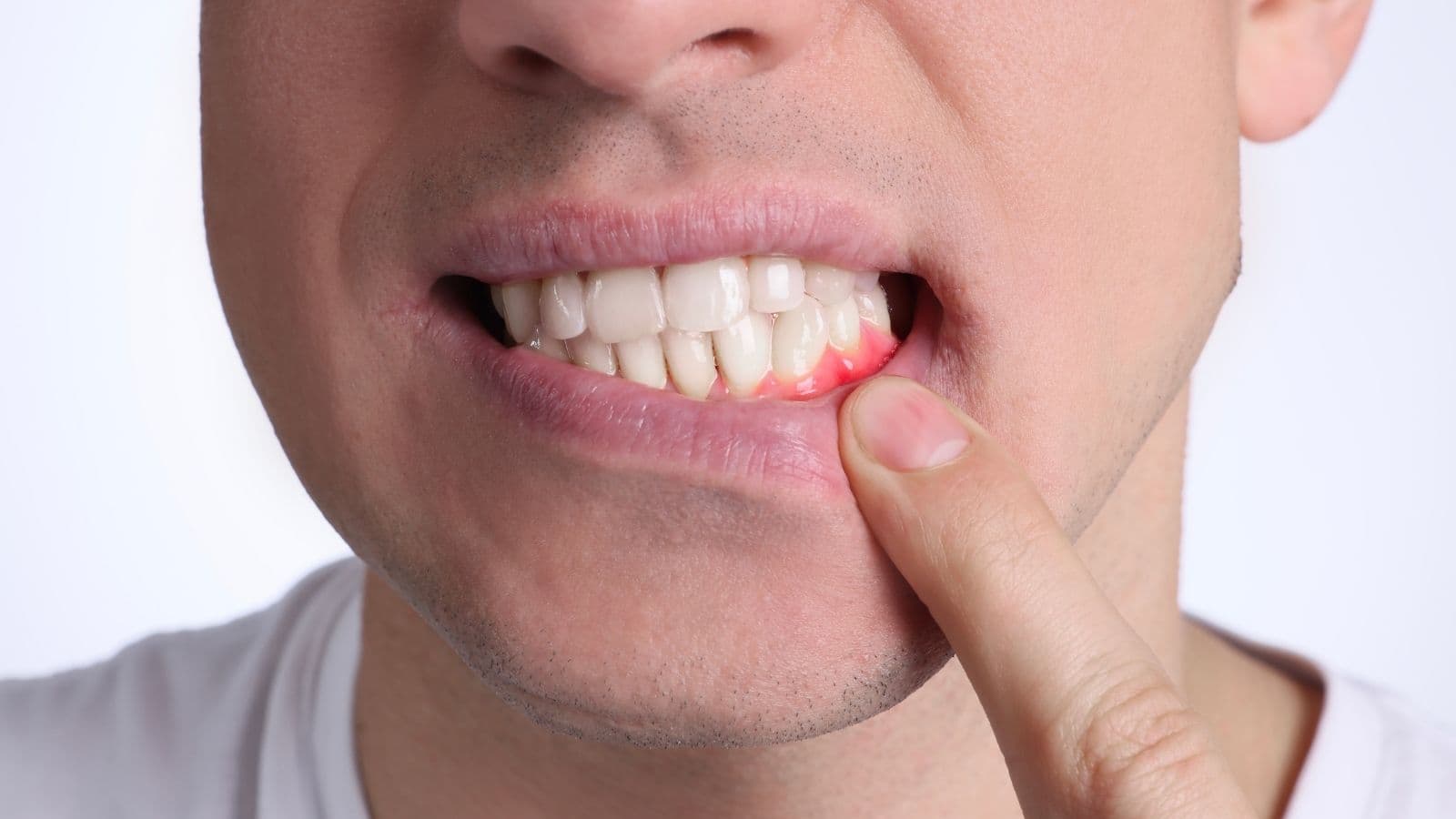
Why do my teeth feel loose after tartar removal? Cleaning can reveal movement that was already present. Tell your dentist about new or worsening tooth movement.
A tooth may feel different after a cleaning because your tongue can reach a surface that was covered by a deposit. Cold sensitivity can also make you more aware of an area. A tooth that actually shifts under normal chewing needs a dental assessment, even when it does not hurt. The timing alone cannot establish why it moves.
This Dental Prime guide explains why movement can become noticeable, what a dentist checks, and which symptoms change how quickly you should seek help. It also covers how to look after the area without repeatedly testing the tooth. A dentist can give advice based on the tooth, surrounding gums and findings from your examination.
Why Can Tooth Movement Become Noticeable After Cleaning?

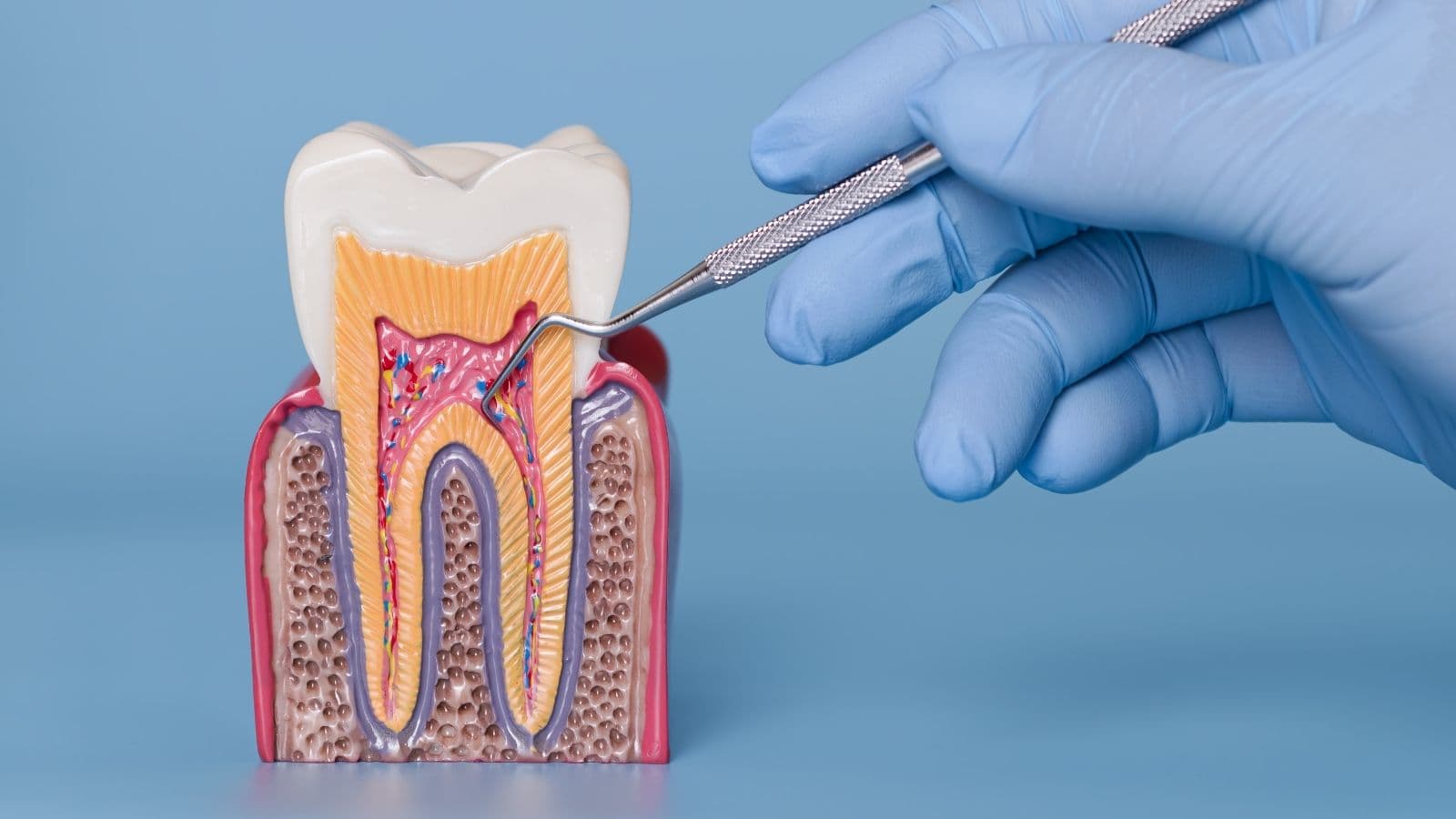
The bone around the root and the fibres that connect the root to that bone help hold a tooth in place. In periodontitis, inflammation damages these supporting tissues. A tooth can move more easily as support is lost. The gum may also look different, but what you see in a mirror gives limited information about how much bone surrounds the root.
Tartar, also called calculus, is hardened dental plaque. A heavy deposit can sit between neighbouring teeth or bridge their surfaces. Once that deposit has been removed, existing movement may be easier to notice. The deposit itself cannot replace bone or the ligament around the root. Leaving it in place does not protect those structures from gum disease.
Feeling movement for the first time after cleaning does not tell you exactly when it began. If the dentist recorded mobility before the appointment, the earlier observations may help clarify what changed. A new problem in one tooth may also have a separate cause. Report the change even if you already know you have gum disease.
How Routine And Deep Cleaning Differ
A routine cleaning removes plaque and calculus from accessible parts of the teeth. Periodontal treatment can also involve cleaning affected root surfaces below the gumline. This is sometimes called deep scaling or scaling and root planing. Kent NHS describes a possible temporary increase in tooth mobility after deep periodontal cleaning. Any new, marked or increasing movement still warrants contacting your dentist.
As swollen gums settle, more of the root may become visible. This change in the gum outline can happen during recovery and does not show when bone loss took place. When you report the symptom, tell the dentist which part of the mouth was treated, if you know. That can help them relate your description to the procedure and the earlier findings.
How Does A Loose Feeling Differ From Actual Tooth Movement?

Sensitivity often feels like a brief twinge when you drink something cold or take a breath through your mouth. Actual movement may feel as though the tooth shifts while you chew or meets the opposite teeth differently. Both sensations can occur together. Neither is a reliable way to grade tooth mobility at home.
What you notice | What to do |
|---|---|
Brief cold sensitivity without a noticeable shift | Follow your aftercare instructions. Report sensitivity that gets worse or persists. |
A change in the space between teeth | Mention it if food gets trapped or cleaning is difficult. |
A tooth shifts during chewing or your bite changes | Contact your dentist promptly for an assessment. |
More movement, swelling or discharge | Contact a dentist for assessment the same day. |
A surface may feel smoother or more exposed once a deposit has been removed. You might notice it when your tongue moves behind the lower front teeth. The guide to gaps between teeth after scaling explains changes in appearance. If the tooth itself seems to shift, describe the movement separately when you contact your dentist.
Avoid pressing the tooth back and forth with a finger or biting on something hard to see whether it moves. This puts pressure on the area and gives no reliable measurement. It is enough to note what you observed during ordinary use. Tell the dentist whether it happens when biting, chewing, or merely running your tongue over the area.
If Only One Tooth Feels Loose
A dentist can consider local causes such as a recent injury, excess pressure on the tooth, or an infection around it. Sometimes a crown or other restoration moves while the underlying tooth feels as though it is loose. Examination helps identify which part is moving. How recently you had a cleaning is one detail in that assessment.
When you call, describe any earlier swelling, discomfort on biting or food trapping in the same area. Tell the dentist whether one tooth or several teeth feel different. The number of teeth affected provides a clue, but the clinician will also need to look at the tissues and check how individual teeth respond.
When Should You Contact A Dentist?

Contact your dentist promptly if a permanent tooth feels newly loose or the movement has become noticeable while eating. Gum support can be lost without much pain. If the tooth was already mobile and a review is planned, report an increase before the next appointment. The dentist can advise when you need to be seen based on what has changed.
Ask for same-day dental assessment if the tooth becomes looser quickly, shifts position, or is accompanied by worsening pain, gum swelling, pus or fever. Increasing facial swelling also needs prompt assessment. A permanent tooth loosened by a blow needs urgent dental care, even when the injury happened around the time of a cleaning.
Seek emergency medical help if swelling of the face or neck makes it hard to breathe or swallow, or if bleeding from the mouth cannot be controlled. In Türkiye, call 112 for emergencies. When these symptoms occur, getting help takes priority over working out if your cleaning and symptoms are related.
When you speak to a dental clinic in Samsun, give the date of the cleaning, when you first felt the change and whether it is getting worse. Mention any injury, fever, discharge or swelling. If you have earlier dental records or X-rays, the dentist may use them to compare the current findings.
Mild gum tenderness or a brief twinge with cold can occur after cleaning. Follow your aftercare advice if these symptoms are settling. If pain lingers after the trigger has gone, wakes you up, or begins on its own, contact your dentist. Report movement independently, even if the sensitivity is improving.
How Does A Dentist Investigate A Loose Tooth?

The dentist usually begins with the timing and location of the symptom. They can check how much the tooth moves using controlled pressure. They may also look at the gumline, how the teeth meet when you bite, and whether a restoration moves. Previous gum treatment, a recent injury and clenching can each help inform the examination.
A small measuring instrument can check the depth of the space between the gum and each tooth. A deeper space is called a periodontal pocket. The dentist considers those measurements, signs of bleeding, and the support around the root together. If indicated, an X-ray can show bone levels or suggest another reason for the symptom.
An X-ray does not show how far a tooth moves when you chew. The clinician interprets the image alongside the physical findings and compares them with earlier records if available. The examination may also show an issue in a single tooth that needs separate tests. The fact that you noticed mobility after treatment does not determine its cause by itself.
Questions You Can Ask At The Appointment
You can ask how much the tooth moves, what support is visible around the root, and how to clean the area at home. Ask when the dentist wants to review it and what would justify contacting them sooner. Keep any written instructions available so you can follow the advice given for the area that was treated.
If there is extensive loss of support or a need for specialist assessment, the clinician may discuss gum treatment and periodontology. The treatment plan depends on the extent of the disease, the remaining support and the tooth's function. The outcome of the examination may also guide whether monitoring is enough or another step is needed.
Can A Loose Tooth Become Firmer Again?
Some teeth may feel more stable after inflammation settles or excessive bite forces are addressed. When a tooth has already lost substantial support, mobility can persist even with reduced inflammation. The dentist can compare the first and later measurements to check the trend. Recovery time and the extent of improvement vary between teeth and individuals.
Cleaning helps control plaque and inflammation. Lost bone support does not grow back simply because tartar has been removed. A follow-up examination can show how the gums and tooth have responded. The dentist can use that information, along with daily cleaning and chewing comfort, to discuss further care or a maintenance schedule.
In selected cases, a dentist may consider connecting a very mobile tooth to neighbouring teeth using a splint. This may make chewing more comfortable for some people. Suitability depends on the supporting tissues, how the teeth meet and whether the area can be kept clean. When gum disease is present, it still needs care alongside any splint.
Mobility alone does not determine whether a tooth has to be removed. Its position, root condition, remaining support, function and response to treatment all matter. The dentist can explain which options are realistic for the affected tooth and how each could affect comfort and home cleaning over time.
How Should You Care For Your Mouth Until The Review?
Follow the instructions you were given for the area that was treated. Unless advised otherwise, clean gently with a soft brush and avoid applying extra pressure to the tooth. Use an interdental brush or other aid your dentist has recommended and avoid forcing it through a tight space. Skipping the area entirely can allow plaque to build up.
If chewing is uncomfortable, softer foods and avoiding pressure on the affected tooth may help while you arrange an assessment. Do not try to glue, tie or push the tooth into position. Repeatedly moving it gives the dentist less information than a clear account of what you noticed during normal use.
If your periodontal cleaning was planned over several visits, tell the dental team about the movement before the next stage. They can decide whether to change the timing or check the tooth first. Sharing information such as diabetes, tobacco use or previous periodontal care helps them plan follow-up.
Keep the planned review even if the area becomes more comfortable. If movement increases or new swelling or discharge appears, contact your dentist before the scheduled date. The clinical review can establish whether the tissue has responded to treatment and what further support, if any, is appropriate.
Conclusion
Why do my teeth feel loose after tartar removal? Removing heavy deposits can reveal existing movement. A temporary increase is also possible after deep periodontal cleaning. The dentist can check the tooth's support and determine what changed. Report new or increasing movement even when you have no pain.
Describe what you noticed during normal chewing or cleaning and follow the aftercare advice for the area. Individual recovery and tooth stability depend on the examination and response to treatment. This guide provides general information to help you discuss the symptom with a dentist.
Results of any surgical or invasive procedure can vary from person to person. Ask your dentist for detailed advice before a procedure.