


 Spec. Dt. Gökcan ErtaşOrthodontist
 Dt. Sena KırcaDentist
 Dt. Sevinç Cansu KayıranDentist
 Assoc. Prof. Dr. Sezin ÖzerPediatric Dentist
 Spec. Dt. Sude Yıldırım BolatSpecialist in Periodontology
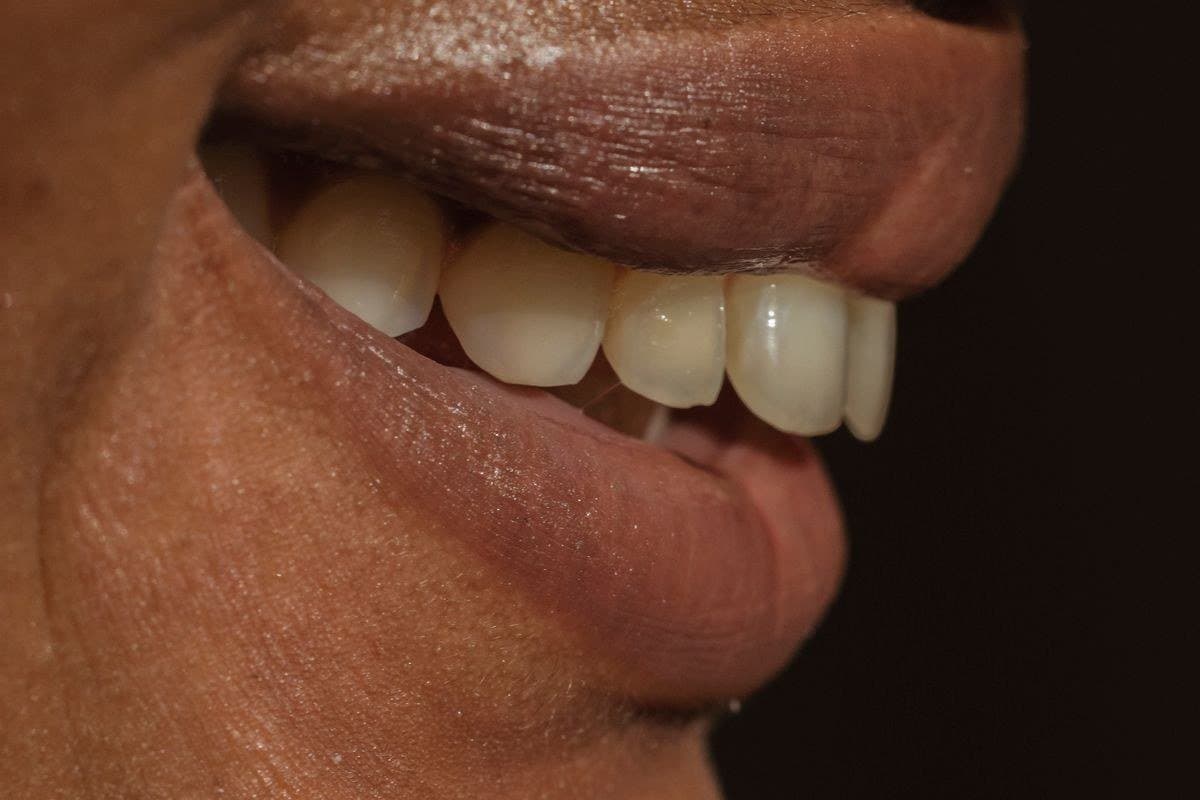
Visible gums on their own do not mean a disease. Some people find this look natural, while others are bothered by the proportions of their smile. If there is bleeding, swelling, or difficulty with oral care, gum health should be examined in addition to the aesthetic evaluation. A treatment decision is not made by looking at a photo alone.
Understanding the cause of the appearance is important for avoiding an unnecessary procedure and for comparing the possible options. In a consultation with Dental Prime, sharing which detail bothers you and what you expect helps build a realistic plan together with the examination findings.
How Can You Tell You Have a Gummy Smile?

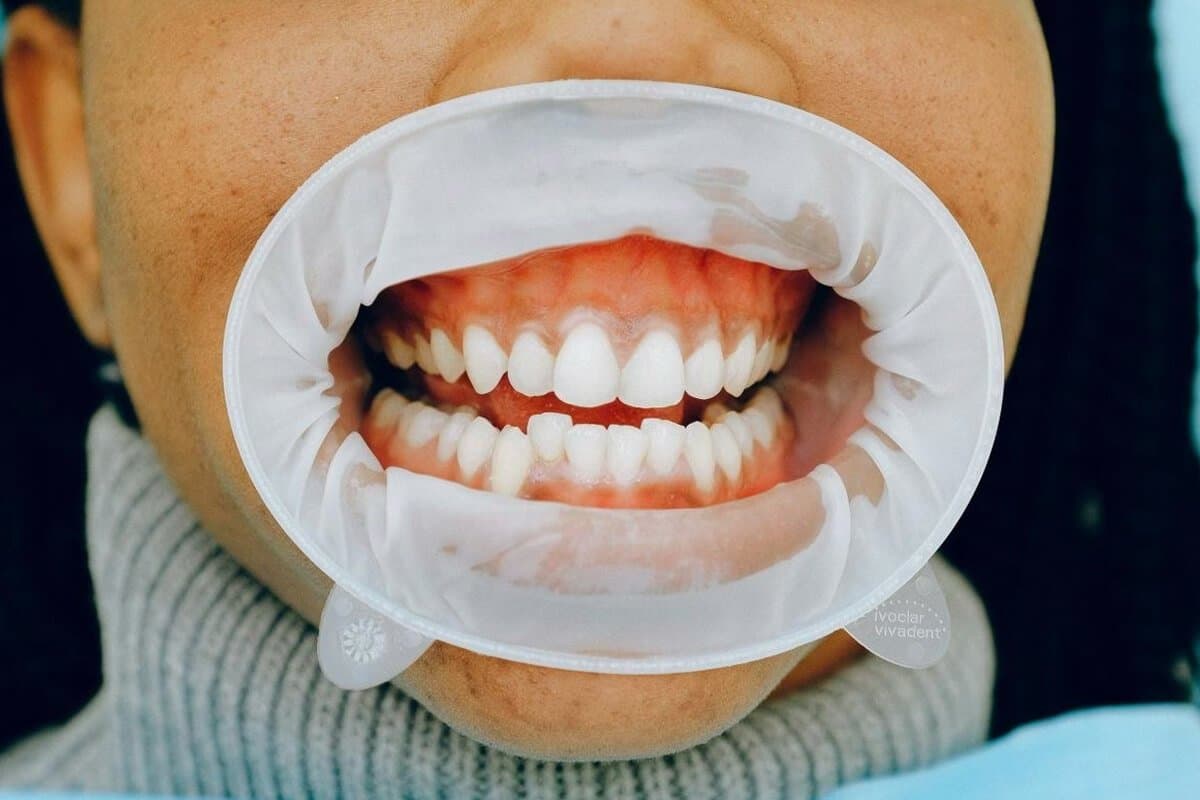
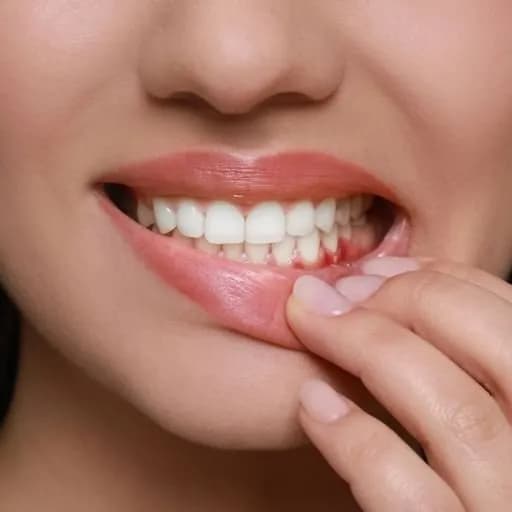
A gummy smile is noticed especially during a wide smile, when the band of gum above the upper teeth becomes prominent. The amount shown varies from person to person; a single measurement does not indicate that treatment is necessary for everyone. The symmetry of the gumline, the visible length of the teeth, and the movement of the upper lip are evaluated together.
Is Showing Gums When You Smile Always a Problem?
No. Seeing healthy gums in a smile is often an anatomical feature. If there are no complaints and the person is happy with how they look, no intervention is needed. On the other hand, if swelling, bleeding, or gum overgrowth that developed later is noticed, an underlying oral health problem should be investigated.
The width of a smile can look different in photos, while talking, and in daily life. For this reason, the dentist examines not just a single photo but also the natural smile and the position of the lip at rest. The evaluation takes the person's aesthetic expectations and the clinical findings into account together.
What Does It Mean When the Teeth Look Short?
The teeth may truly be short; however, sometimes part of a tooth of normal length is covered by gum. The difference between the part of the tooth visible in the mouth and its actual anatomical length changes the choice of treatment. This distinction is made through examination, gum measurements, and imaging when necessary.
Wear or the way the teeth erupted can also contribute to the look of short teeth. It is not right to perform gum cutting on every tooth that looks short. First, the condition of the tooth surface and the relationship between the gum and the bone are evaluated.
If the front teeth differ in length from one another, a person may think all of their teeth are short. Yet asymmetry in the gumline, a worn edge, or the position of the tooth can create the same appearance. The dentist separates these details and offers a recommendation only for the areas that need it.
What Causes a Gummy Smile?

This appearance does not have a single cause. The gum covering the teeth too much, the upper lip moving upward in a wide smile, the position of the upper front teeth, and the vertical growth of the upper jaw can each be involved separately or together. In cases with more than one cause, a single procedure may not deliver the expected look.
Gum Tissue Covering the Teeth Too Much
In some people, after the teeth erupt, the gum remains over the tooth crown more than expected. The teeth look short while the band of upper gum becomes more prominent. This is understood by examining the actual size of the tooth and the tissues around it during the examination.
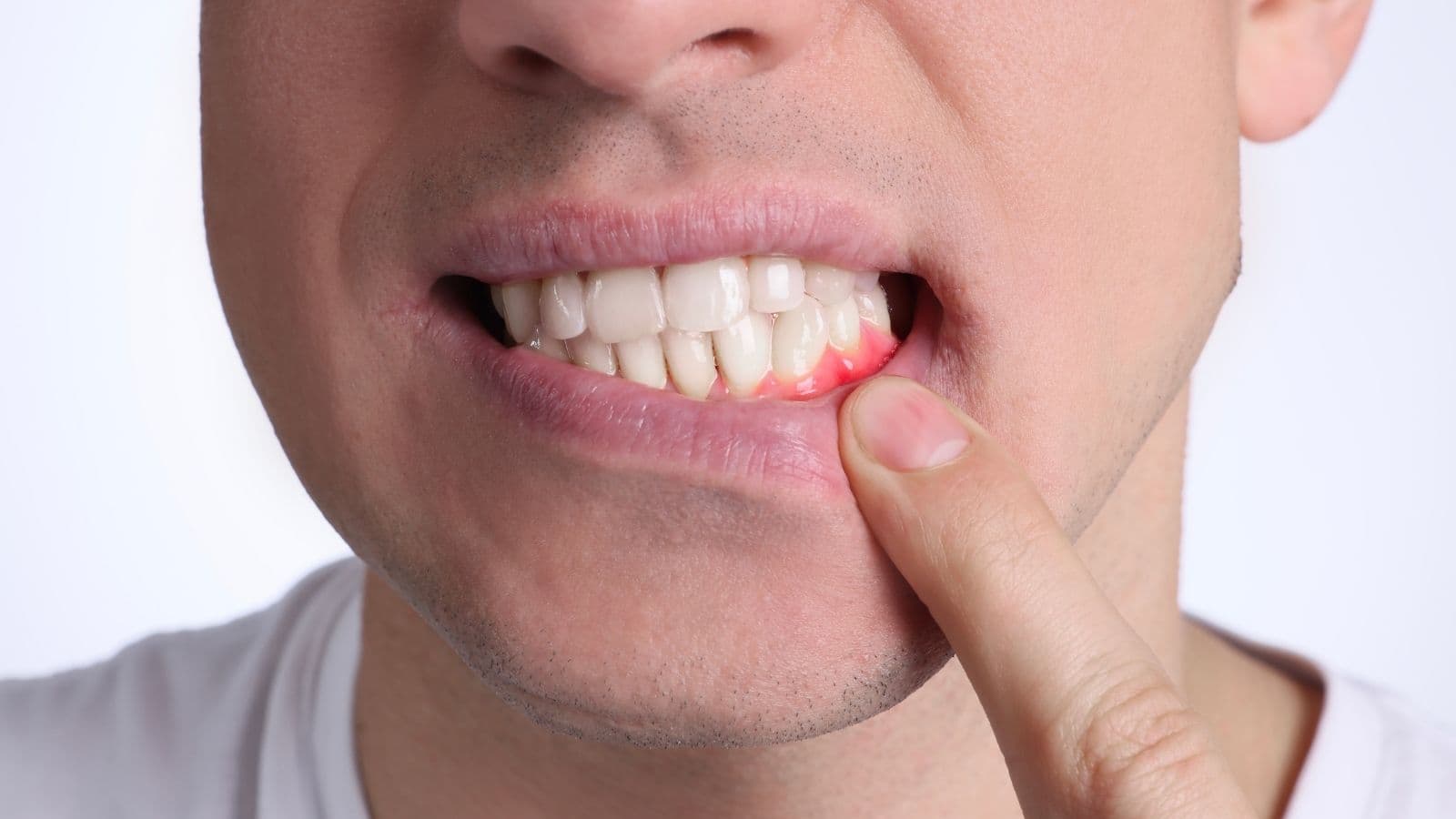
Gum overgrowth related to inflammation or to certain medications can also increase visibility. In such a case, the priority is to evaluate the cause of the overgrowth and gum health. If bleeding or swelling is present, the gum treatment in Samsun page gives additional information about the health-focused process.
The Upper Lip Rising Too High When Smiling
If the upper lip moves higher during a natural smile, the gums look prominent. Lip length, the range of movement in the smile, and facial proportions are evaluated together. This cause is different from the gum covering the teeth; therefore, reducing gum tissue alone may not be a suitable solution.
The dentist observes the movement of the lip while you talk and smile naturally. The difference between the static look in the mirror and the moving smile matters in choosing the approach. Surgical options directed at the lip are considered only in cases deemed suitable and after a comprehensive discussion.
Tooth Position and Upper Jaw Structure
The position of the upper front teeth and the vertical dimension of the upper jaw can also affect the amount of gum visible in a smile. The teeth sitting in a downward position, the bite relationship, or marked vertical growth of the upper jaw are different findings from one another. The dentist distinguishes them with facial analysis and, when necessary, radiological records.
In cases related to tooth position, information about orthodontic treatment in Samsun may be useful. In marked cases stemming from jaw structure, a joint evaluation by the orthodontic and surgical fields may be needed; changing only the gum border may not be enough.
The gum appearance seen during childhood and adolescence, while facial growth is still continuing, may not be interpreted the same way as the appearance in adulthood. Age, growth status, and the stage of tooth eruption are included in the evaluation. Especially when orthodontic planning is being considered, growth records can help with the timing of treatment.
How Is a Gummy Smile Diagnosed?
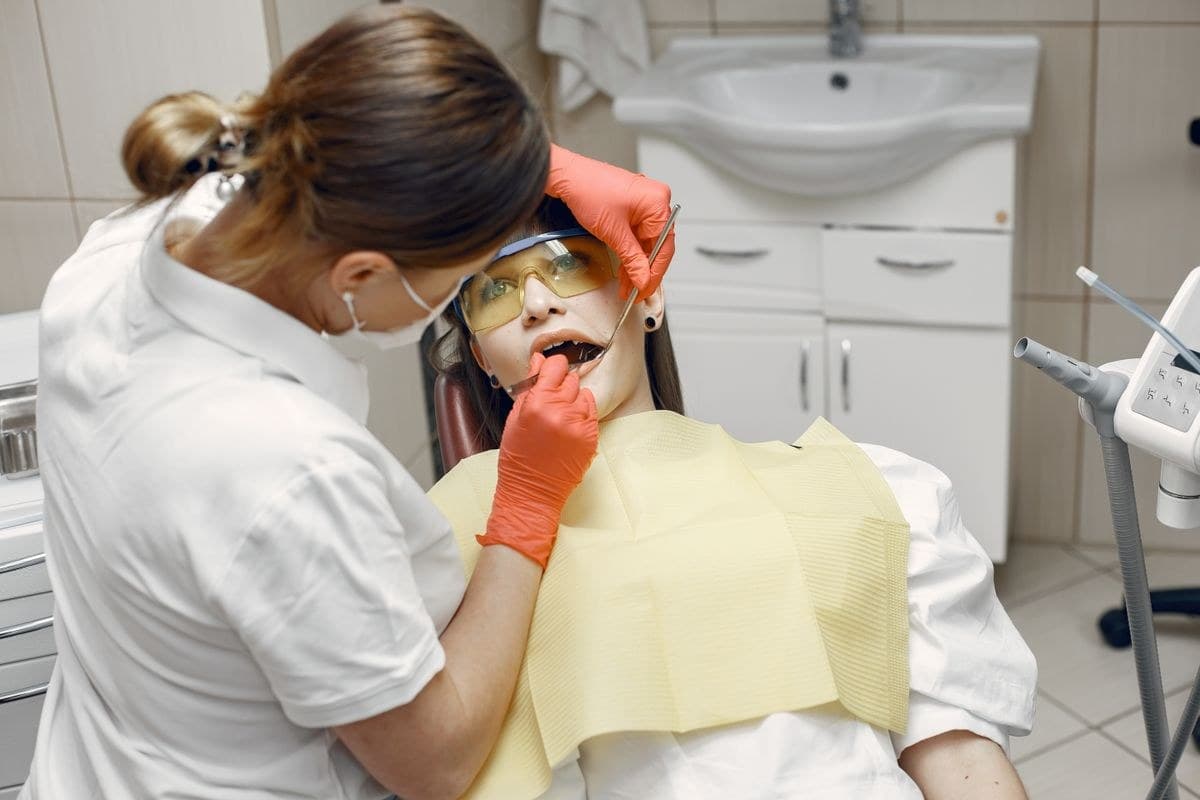
Diagnosis begins by listening to which appearance bothers the person. The dentist examines the visible length of the teeth, the gumline, lip movement, and the bite. If there are problems such as gum bleeding, plaque buildup, or tartar, these are evaluated before aesthetic planning.
Smile, Lip, and Gum Examination
During the examination, the position of the lip at rest is compared with the natural smile. How much of the upper teeth shows, the symmetry of the gums, and gum health are recorded. When necessary, photos and intraoral measurements are taken; the aim is to understand whether the appearance comes from the gum tissue, from lip movement, or from the position of the teeth.
The relationship between the tooth and the bone is as important as the position of the gum margin. Whether the excess tissue can be removed in a controlled way is linked to this relationship. For this reason, a definitive method is not chosen from a smile photo alone.
In Which Cases Is Imaging Needed?
The same imaging is not done for everyone. If additional information is needed about the tooth roots, the bone level, or the jaw relationship, the dentist chooses the appropriate method. Especially when evaluating jaw structure or planning surgery, radiological records can complement the clinical examination.
The decision on imaging is based on medical necessity and the information expected to be obtained. When pre-procedure photos, intraoral measurements, and X-ray findings come together, the possible limits of the treatment can be explained to the patient more clearly.
Coming to the examination with previously taken films can be helpful; even so, the dentist decides whether the existing images are sufficient. Instead of repeating unnecessary imaging purely for aesthetic purposes, what the available clinical information shows is evaluated. Planning becomes clear once the needed findings are complete.
Is Gummy Smile Treatment Necessary for Everyone?

No. In most people, a gummy smile is not a disease on its own. The need for treatment is evaluated according to gum health, the discomfort felt about the appearance, functional findings, and the person's expectations. The dentist should explain the benefit the intervention can provide and its limits.
If gum overgrowth is accompanied by bleeding, swelling, or difficulty cleaning, the health side is addressed first. For a person with only an aesthetic concern, having no procedure at all is also a valid choice. The decision is based on evaluating the person's wishes together with the examination findings.
Result photos seen on social media do not show another person's anatomy and the reason for their treatment. Talking with the dentist during the pre-procedure evaluation about what a suitable result for your own smile might be creates a healthier expectation.
If worry about your appearance affects your daily life, you can say so directly during the examination. The dentist's job is not only to suggest a technique; it is also to explain whether your expectation can be met clinically. The options may include waiting, monitoring, or deciding against a procedure.
Which Treatment Options Are Considered for a Gummy Smile?
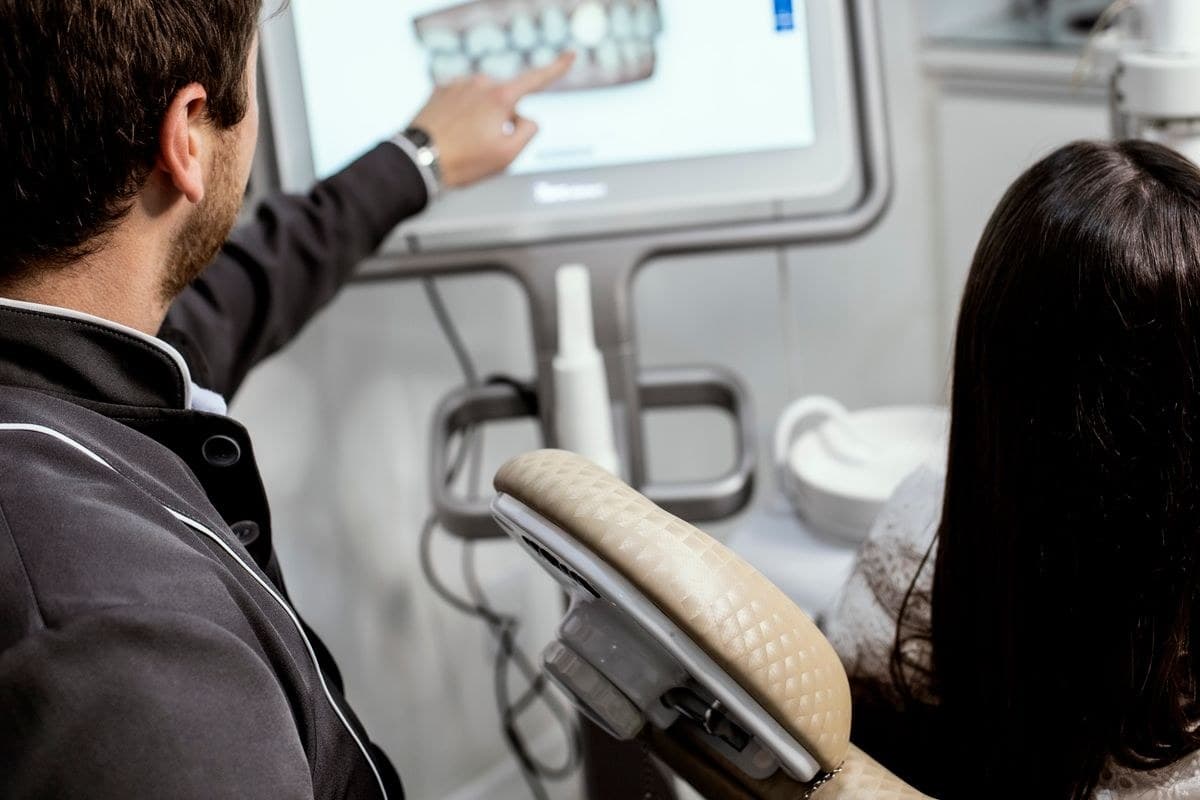
The suitable option varies according to the cause of the excess visibility. If gum tissue covers the tooth, adjusting the gum border may be considered; if tooth position is a factor, an orthodontic approach; if jaw structure is the determining factor, joint planning by different disciplines may come up. Sequential use of methods may also be evaluated in the same person.
Gum Contouring and Clinical Crown Lengthening
In suitable cases where the gum covers the visible part of the tooth too much, the tissue border can be re-planned. In some people, soft tissue adjustment alone is enough, while in some cases the bone level also needs to be evaluated. Clinical crown lengthening covers procedures aimed at increasing the part of the tooth visible in the mouth.
The gingivectomy in Samsun page describes in detail the procedure for excess gum tissue. This method does not correct every smile difference caused by the movement of the upper lip or by jaw structure. Its suitability is determined after an examination of the tissues.
Orthodontic Treatment
If tooth position and the bite relationship increase visibility, orthodontic treatment may be considered. The method to be used and the expected change depend on tooth position, age, and accompanying jaw findings. Orthodontics takes into account not only the appearance but also the function of the bite.
The decision to move the teeth is not made from a single photo. The dentist reviews intraoral records and, if needed, radiological measurements together. The treatment time and possible gains are specific to the individual; it cannot be said that the gum appearance in the smile will disappear completely.
Surgical Options for the Lip and Jaw Structure
If lip movement is the main factor, surgical options aimed at changing the position of the lip during a smile may be discussed in a suitable person. In some cases where vertical growth of the upper jaw is advanced, an evaluation for jaw surgery is needed. These procedures differ from one another in scope, recovery, and possible risks.
Whether surgery is needed is not decided on the basis of an aesthetic wish alone. Clinical and radiological findings, general health status, and alternatives are reviewed together. For those who want to learn the scope of the process aimed at jaw structure, the oral and maxillofacial surgery in Samsun page is a separate resource.
The recovery time and follow-up needs of these options are not the same. The plan for a smaller gum procedure and the preparation for surgery aimed at jaw structure are different. In both cases, the expected benefit, possible limitations, and alternatives should be explained to the person in clear language before the procedure.
What Is the Treatment Choice Based On?

The dentist first lists the factors that create the gum visibility. Then they evaluate gum health, tooth position, lip movement, and facial proportions together. Whether a procedure is needed, whether a single or staged plan is suitable, and the limits of the expected change are addressed in this consultation.
Is There a Single Cause or More Than One?
In some people, the dominant factor is simply excess gum tissue. In others, lip movement and tooth position may be involved together. In a case with multiple factors, a single method is not expected to change the whole appearance. The stages and goal of the plan are therefore determined after the examination.
Comparing treatment options also includes the patient's priorities. The appearance, recovery time, care burden, and scope of the procedure to be performed should be explained to the person clearly. The dentist's recommendation becomes more accurate when they understand the person's expectations.
How Are Oral and Gum Health Evaluated First?
Before moving on to an aesthetic procedure, findings such as decay, gum inflammation, and difficulty cleaning are examined. If there is active disease, its management is planned first. In this way, the suitability of the procedure from a health standpoint and how care will be maintained can be evaluated more clearly.
Along with the gumline, the shape and proportions of the teeth can also affect the plan. The smile design in Samsun page explains how these elements are handled together; here, the focus is on identifying the cause of the gum visibility.
With bleeding, red, or overgrown gums, focusing only on changing the appearance can delay the right plan. First, inflammation, tartar, and home care habits are evaluated. Once gum health is under control, aesthetic measurements can also be made more consistently.
How Are Recovery and Care Planned After Treatment?
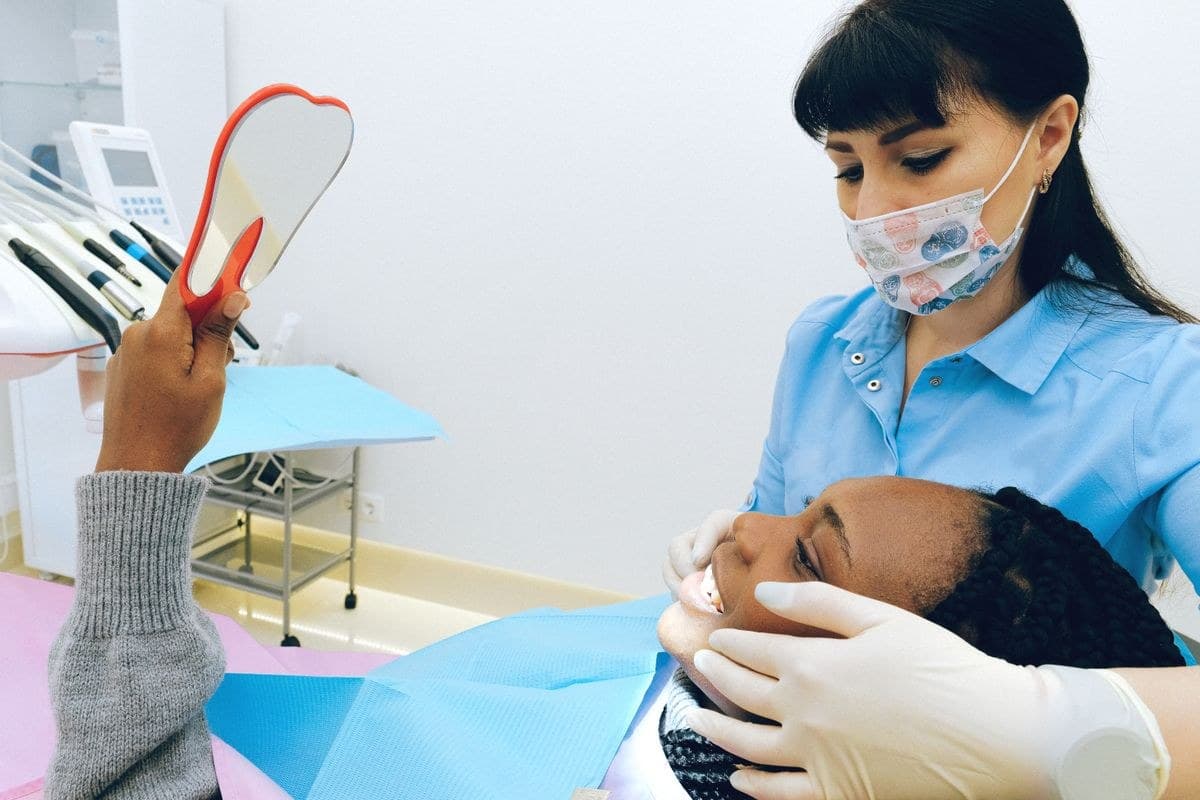
The recovery process differs depending on the chosen method. After gum contouring, tissue tenderness and care recommendations may apply. In orthodontic treatment, regular check-ups and oral hygiene are important. More extensive surgical procedures require a different follow-up plan. These processes are not interchangeable.
Before the procedure, the dentist explains the symptoms to expect, the care steps, and the check-up times. If there is unusual bleeding, increasing swelling, fever, or pain that gets progressively worse, the clinic should be informed. Personal instructions on medication and oral care are followed according to the recommendations of the dentist who performed the procedure.
In daily care, tooth brushing and interdental cleaning keep their importance; however, the timing for the treated area may vary from person to person. Regular check-ups help monitor tissue healing and the functional aspects of the smile.
It is useful to learn before the procedure how often check-up appointments will be and which symptoms call for early contact. In particular, the written instructions given after surgery are a better guide for daily care than general internet advice. Only the dentist who follows you can evaluate the personal course of healing and any additional intervention if needed.
Conclusion
Gummy smile describes the gums being prominently visible during a smile; the cause is not the same in every person. Whether treatment is needed and the suitable approach are determined through a joint examination of the gums, teeth, lip, and jaw structure.
Visible gums are not considered a health problem on their own. If bleeding or swelling accompanies them, oral health is evaluated first. If an aesthetic change is being considered, the possible gains and limits of the methods are discussed with the dentist and a decision suitable for the person is made.